🍓 Zucchini: Season, Storage, Nutrition, and Cooking Guide
Zucchini, a member of the squash family, is a versatile and nutritious vegetable loved by many around the world. Known for its light, delicate flavor and impressive array of nutrients, zucchini can be enjoyed in a variety of dishes and culinary styles. This comprehensive guide will provide insights into the characteristics, benefits, origin, and ways to choose, store, and cook this delightful vegetable.
✨ Characteristics
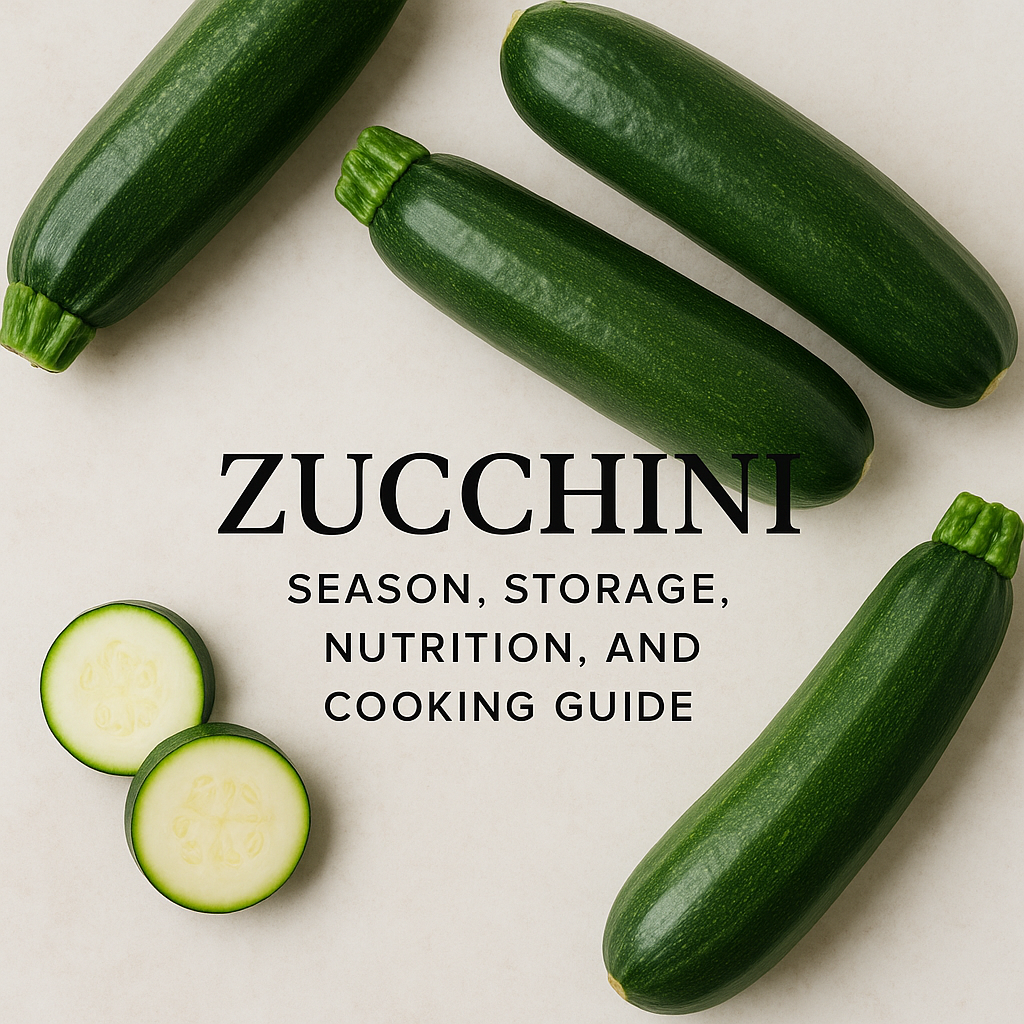
Zucchini, botanically known as Cucurbita pepo, is a type of summer squash that has a smooth, dark green skin, although some varieties might have light green or yellow hues. Typically, it has a cylindrical shape and can range from a few inches in length to over a foot. The flesh inside is pale, almost creamy, with small, edible seeds. When it comes to flavor, zucchini is mildly sweet and grassy, making it a perfect complement to a wide range of ingredients.
💪 Benefits
Zucchini is not only a culinary delight but also a nutritious powerhouse. This vegetable is rich in essential vitamins such as vitamin C, vitamin B6, and vitamin A, and minerals like potassium and manganese. It's low in calories and high in water content, which makes it an excellent choice for those looking to maintain a healthy weight. The fiber content in zucchini aids in digestion and helps keep you feeling full longer. Additionally, the antioxidants present in zucchini support healthy skin and eye health.
🌍 Origin
Zucchini traces its origins back to Mesoamerica, where it was first cultivated thousands of years ago. It was later introduced to Europe in the 16th century following the Columbian Exchange, where it gained popularity, particularly in Italy. Italian immigrants brought zucchini to the United States in the 1920s, where it has since become a staple in American gardens and kitchens.
📅 Harvest Season
Zucchini is typically harvested during the warmer months, with the peak season being from late spring through the summer. It thrives in a warm climate and is often one of the first vegetables to produce in a summer garden. However, in many regions, fresh zucchini can be found year-round in grocery stores, thanks to modern agricultural practices and imports from areas with different growing seasons.
🧺 Varieties
There are several varieties of zucchini, each with its unique characteristics. Some of the most popular types include:
- Black Beauty: This is the most commonly found variety with dark green skin and a classic zucchini shape.
- Golden Zucchini: This variety is bright yellow and slightly sweeter.
- Costata Romanesco: Known for its ribbed texture and nutty flavor.
- Round Zucchini: Perfect for stuffing, this variety is small, round, and has a mild flavor.
🛒 How to Choose (Checklist)
When selecting zucchini at the market, keep these tips in mind to ensure you're getting the freshest and most flavorful produce:
- Choose zucchini that are firm and heavy for their size.
- Look for smooth, shiny skin without blemishes or soft spots.
- Smaller zucchini tend to be more tender and less watery.
- The color should be vibrant, whether it’s green or yellow, depending on the variety.
- Check the stem end for freshness; it should be firm and slightly moist.
🍽 Cooking & Eating Methods
Zucchini's mild flavor makes it a versatile ingredient in numerous dishes. Here are some popular cooking methods:
- Sautéing: Quick and easy, sautéed zucchini can be a delightful side dish.
- Grilling: Adds a smoky flavor, perfect for summer barbecues.
- Baking: Zucchini bread or muffins are a delicious way to incorporate this veggie into desserts.
- Raw: Adds a crisp texture to salads and can be spiralized into zoodles as a pasta alternative.
- Stuffing: Round zucchinis are great for stuffing with meats, grains, or other vegetables.
❄ Storage Tips
Proper storage ensures that your zucchini maintains its freshness and flavor. Here are some tips:
- Store unwashed zucchini in a perforated plastic bag in the refrigerator’s crisper drawer to maintain moisture and airflow.
- Avoid storing zucchini near ethylene-producing fruits like apples or bananas, as they can hasten ripening and spoilage.
- For long-term storage, you can freeze zucchini. Slice it, blanch briefly in boiling water, then quickly cool in ice water before freezing in airtight containers or freezer bags.
❓ FAQ
🤔 Can I eat zucchini raw?
Yes, zucchini can be eaten raw. It is often used in salads and as a garnish. Its crunchy texture and mild taste make it a refreshing raw snack.
🤔 What are zoodles?
Zoodles are spiralized zucchini used as a low-carb alternative to traditional pasta. They can be eaten raw or lightly cooked, maintaining their nutritional benefits and providing a delicious component to your meals.
🤔 How can I deal with surplus zucchini from my garden?
If you have an abundance of zucchini, consider sharing with neighbors or donating to a local food bank. You can also preserve zucchini through pickling or canning, or incorporate them into diverse recipes like soups, sauces, or even smoothies.