🍓 Yardlong Bean: Season, Storage, Nutrition, and Cooking Guide
The yardlong bean, also known as the long bean, asparagus bean, or Chinese long bean, is an exotic legume that captures attention not only with its exceptional length but also its crisp texture and ability to enhance various dishes. In this comprehensive guide, we will delve into the characteristics, benefits, origins, and culinary versatility of the yardlong bean.
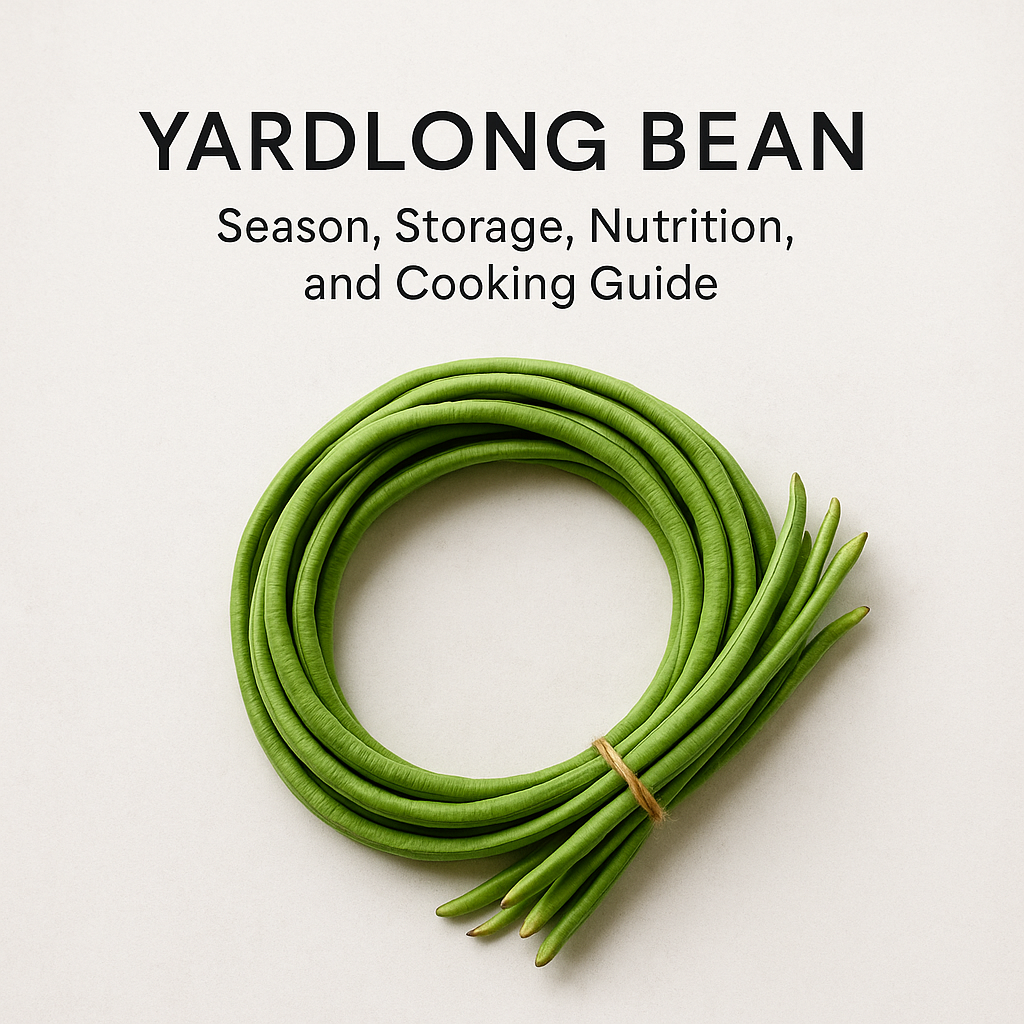
✨ Characteristics
Yardlong beans can grow up to 18 inches in length, making them one of the longest beans available. Their slender, cylindrical shape comes in shades of green, though some varieties may appear a deep burgundy. The beans grow in pairs or clusters and possess a mild flavor reminiscent of more common green beans, with a slightly crunchier texture when fresh.
Unlike green beans which are snapped and short, these elongated beauties are usually cut into smaller pieces for cooking. When harvested young, they are tender and sweet. Mature beans can quickly become fibrous, so timely harvesting is key to enjoying their delightful flavor and texture.
💪 Benefits
Yardlong beans are not just a culinary delight; they are also packed with nutritional benefits. They are a rich source of vitamins, particularly vitamin C and A, contributing significantly to immune system support and healthy skin. Additionally, they contain dietary fiber, which aids in digestion and helps maintain healthy cholesterol levels.
Moreover, these beans provide essential minerals like iron and magnesium, crucial for blood health and muscle function. The low calorie and fat content make yardlong beans a great addition to any weight-conscious diet. Regular consumption as part of a balanced diet can help improve overall health due to their antioxidant properties, although it's always important to enjoy them as part of a diverse diet.
🌍 Origin
Yardlong beans are believed to have originated in Southeast Asia, with a significant presence in countries such as Thailand, Vietnam, and the Philippines. They thrive in tropical climates and have become integral to many traditional Asian cuisines. Over the years, the popularity of these beans has spread globally, leading to cultivation in other warm regions, including parts of Africa and the Caribbean.
Thanks to their adaptability, yardlong beans are now becoming more common in gardens across the United States, particularly in states with warmer, longer growing seasons. The plant is a part of the legume family, notable for its nitrogen-fixing ability that enriches soil health, making it a beneficial crop for sustainable agriculture.
📅 Harvest Season
Yardlong beans are warm-season crops, best grown when frost is not a threat. In regions with tropical or subtropical climates, they can be cultivated year-round. For temperate areas, plant them during the late spring to early summer months for the best growth.
These beans typically reach maturity about 60 to 75 days after planting. Younger beans should be harvested for their tender texture and sweet taste. Frequent harvesting encourages continuous production, allowing gardeners to enjoy multiple yields throughout the season.
🧺 Varieties
There are several varieties of yardlong beans, each bringing unique attributes to the table. Here are some popular types:
- Green Pod Yardlong: Known for their classic green pods, these are the most common variety with a sweet flavor and crisp texture.
- Red Noodle: A visually striking variety with vibrant red pods that retain their color even after cooking, these beans are slightly sweeter.
- Liana: A vigorous grower with dark green pods, known for its resilience and high yield capability.
🛒 How to Choose (Checklist)
- Look for beans that are firm and smooth. Avoid those with wrinkles or soft spots.
- Choose vibrant-colored beans, whether green or burgundy, for optimal freshness.
- Ensure the beans are thin and pliable, but not rubbery or fibrous.
- Sniff for a fresh, grassy smell; avoid musty or off-putting odors.
- Select beans that are similar in size for even cooking.
🍽 Cooking & Eating Methods
Yardlong beans are versatile in the kitchen. Their texture holds up well in various cooking methods, making them a great addition to stir-fries, salads, and stews.
- Stir-Frying: Quickly pan-sear with garlic and soy sauce for a classic Asian side dish.
- Blanching: Lightly boil and toss in salads for added crunch.
- Pickling: Preserve in vinegar and spices for a tangy, crunchy snack.
- Soup: Add to broths and stews in the final minutes of cooking to retain their texture.
Whether consumed raw or cooked, these beans retain nutritional benefits and add a satisfying texture to any dish.
❄ Storage Tips
Proper storage is essential to maintaining the freshness of yardlong beans. Follow these guidelines:
- Store fresh beans in the refrigerator, unwashed, in a plastic bag to maintain moisture.
- For longer storage, blanch the beans briefly in boiling water, then freeze them.
- Avoid keeping them near fruits that emit ethylene gas, such as apples, as this will hasten spoilage.
- Check regularly for moisture build-up and remove any spoiled beans to prevent others from going bad.
❓ FAQ (3 questions)
Q1: How do yardlong beans differ from regular green beans?
A1: While yardlong beans and regular green beans share some similarities in flavor and texture, yardlong beans are significantly longer and have a slightly sweeter taste. They also maintain a crisper texture when cooked.
Q2: Are there any common pests or diseases that affect yardlong beans?
A2: Like other legumes, yardlong beans can be susceptible to aphid infestations and fungal diseases, especially in humid conditions. Regular monitoring and proper crop rotation can help mitigate these issues.
Q3: Can yardlong beans be eaten raw?
A3: Yes, yardlong beans can be eaten raw and are often used in salads for their crunchy texture. However, thorough washing is essential to ensure they are safe to consume.