🍓 Winged Bean: Season, Storage, Nutrition, and Cooking Guide
The winged bean, known for its remarkable versatility in both culinary uses and nutritional value, is a leguminous vegetable that thrives in tropical climates. This article will explore the characteristics, benefits, and best practices for utilizing this unique plant.
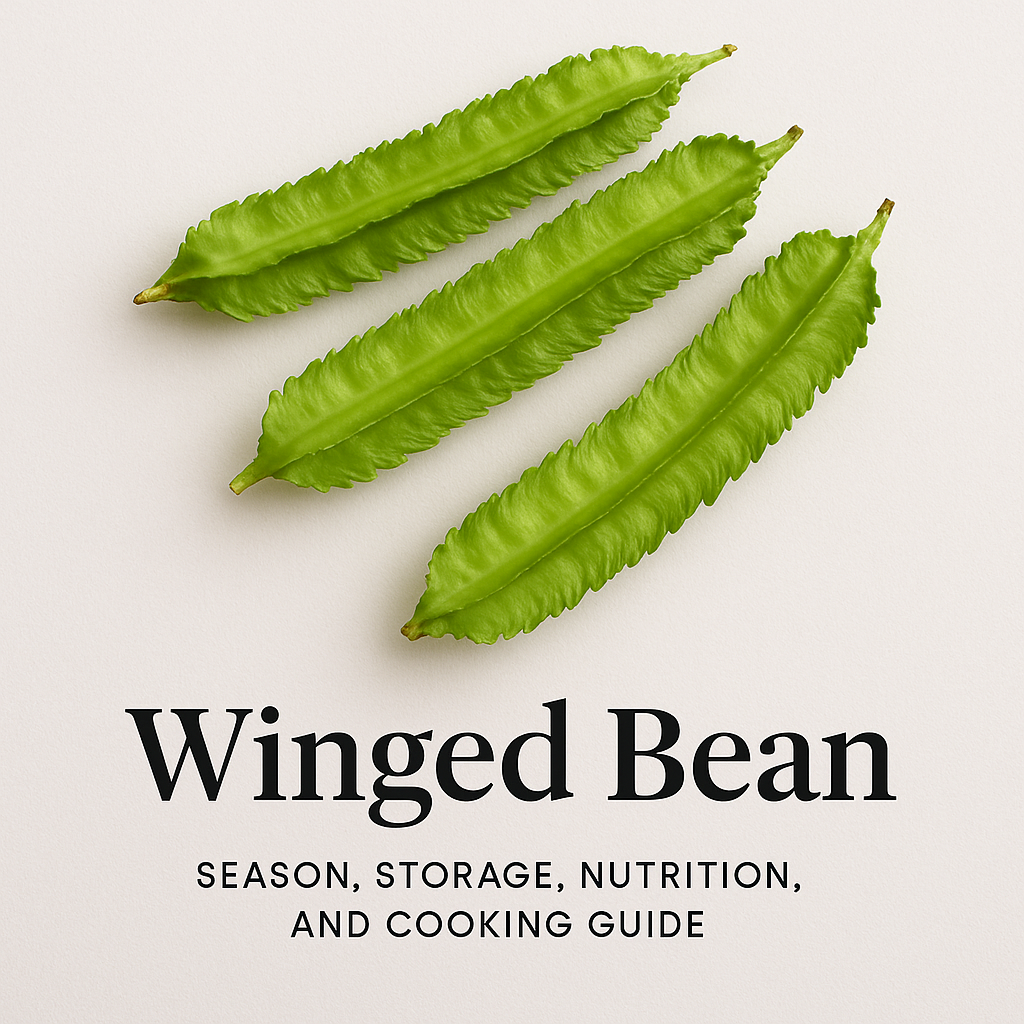
✨ Characteristics
The winged bean, scientifically known as Psophocarpus tetragonolobus, is easily recognized by its distinctive wing-like extensions on its pods. It belongs to the family Fabaceae and is prized for its ability to grow vigorously in warm, humid climates. The plant produces pods that are typically 15-22 cm long and boast a vivid green color. Every part of the plant, from the leaves and flowers to the roots and seeds, is edible, which makes it one of the most resource-efficient crops available.
💪 Benefits
Winged bean plants offer numerous nutritional benefits, making them an excellent addition to any diet. They are rich in protein, vitamins A, C, and various B vitamins, as well as important minerals like calcium, iron, and potassium. Protein content is especially high, ranging between 30-37% of the dry weight, which is comparable to some meat sources. Moreover, their fiber content aids digestion and supports gut health. The ability to fix nitrogen in the soil also makes the winged bean an eco-friendly crop, improving soil quality for successive plantings.
🌍 Origin
The winged bean is believed to have originated in New Guinea, but it has since spread throughout Southeast Asia, the Indian subcontinent, and parts of Africa. Its adaptability to tropical climates has made it a staple crop in countries like Indonesia, Malaysia, Thailand, and the Philippines. Traditional utilization often incorporates the entire plant in various dishes, highlighting its versatility and nutritional benefits.
📅 Harvest Season
Winged beans flourish in warm, wet environments, which means their growing season is closely tied to tropical weather patterns. Typically, they are planted at the onset of the rainy season. Harvesting usually occurs 60 to 90 days after planting, depending on the variety and specific growing conditions. In equatorial regions, winged beans can often be harvested twice in a single year.
🧺 Varieties
Several varieties of winged beans exist, each adapted to local growing conditions. The main differences among these varieties are their size, color, and growth habit. Some popular varieties include:
- PS 1: Known for its long pods and high yield, often grown in commercial operations.
- PS 2: A lighter-colored variety with a shorter growth period, ideal for regions with shorter growing seasons.
- PS 3: This variety is more robust, with a greater tolerance for drought conditions.
🛒 How to Choose (Checklist)
To select the best winged beans, consider the following checklist:
- Look for pods that are firm to the touch with a bright green hue.
- Avoid pods that are excessively large as they tend to be tougher and less flavorful.
- Inspect for any discoloration or spots, which can indicate spoilage.
- Choose beans that have pliable wings with no signs of wilting or damage.
🍽 Cooking & Eating Methods
Winged beans are highly versatile and can be prepared in a variety of ways. They can be boiled, steamed, fried, or even eaten raw in salads. Here are some popular methods for cooking and eating winged beans:
- Boiled: Lightly boil the pods until they are tender, then toss them with butter or olive oil and your choice of seasonings.
- Fried: Fry sliced winged beans with garlic and chili for a delicious side dish.
- Salads: Add raw slices to salads for a crunchy texture.
- Soups: Incorporate them into soups and stews for added nutrition and flavor.
- Stir-fried: A quick stir-fry with other vegetables and a light sauce results in a vibrant dish full of nutrients.
❄ Storage Tips
Proper storage is important to preserve the quality and nutrition of winged beans. Here are some tips:
- Freshness: Store winged beans in the refrigerator in a plastic bag with holes to allow for airflow. They can last up to a week this way.
- Freezing: Blanch the beans before freezing to maintain their color and flavor. They can be stored in airtight containers or freezer bags.
- Drying: Drying winged beans can extend their shelf life significantly. This is a common method used to store seeds for replanting.
❓ FAQ (3 questions)
What does the winged bean taste like?
The flavor of the winged bean is often described as a cross between green beans and peas, with a slightly nutty undertone. Its taste can vary slightly depending on the method of preparation.
Are the leaves and flowers of the winged bean edible?
Yes, the leaves and flowers of the winged bean plant are edible. They are often used in salads, soups, and stir-fries, offering a similar taste to other leafy greens like spinach.
Can winged beans grow in non-tropical climates?
Winged beans prefer tropical climates, but with careful management, they can be cultivated in greenhouses or during the summer months in temperate regions. It is essential to provide them with warm temperatures and plenty of moisture.