🍓 Swiss Chard: Season, Storage, Nutrition, and Cooking Guide
Swiss chard, with its vibrant stalks and lush green leaves, is a leafy green vegetable that brings a burst of color and nutrition to your plate. Not only is it stunning to look at, but it also packs a nutritional punch. This versatile vegetable can be enjoyed in a variety of dishes, from salads to stir-fries, making it a staple in numerous cuisines around the world. In this comprehensive guide, we'll take you through everything you need to know about Swiss chard—from its characteristics and benefits to effective storage methods and delicious cooking ideas.
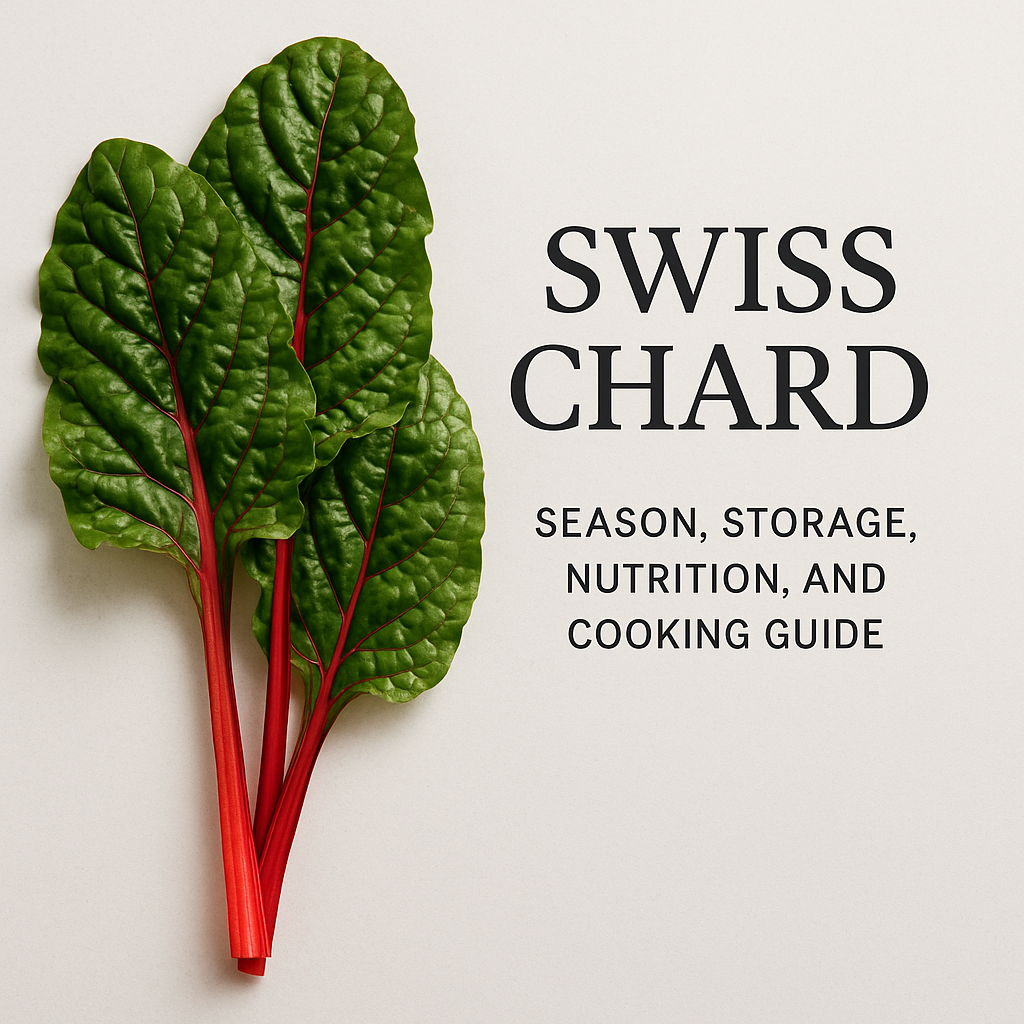
✨ Characteristics
Swiss chard is a member of the Chenopodiaceae family, closely related to beets and spinach. Characterized by its broad, dark green leaves and colorful stems that range from white to vibrant shades of red, yellow, and orange, it is as visually appealing as it is nutritious. Known for its slightly bitter and earthy taste, Swiss chard adds depth to a variety of dishes, offering both flavor and texture.
💪 Benefits
Packed with vitamins and minerals, Swiss chard is a powerhouse of nutrition. It is an excellent source of vitamins K, A, and C, as well as magnesium, potassium, and dietary fiber. These nutrients play vital roles in maintaining healthy vision, immune function, and bone health. Additionally, Swiss chard offers antioxidants such as beta-carotene and lutein, which help protect against oxidative stress and inflammation. With its low calorie count, it is a great choice for those looking to maintain a healthy diet while enjoying delicious meals.
🌍 Origin
Despite what its name might suggest, Swiss chard is not originally from Switzerland. It is believed to have originated in the Mediterranean region, where it has been enjoyed for centuries. Its name comes from the French word "carde," referring to the fleshy leaf ribs. Over time, Swiss chard has made its way into various global cuisines, appreciated for its versatility and health benefits.
📅 Harvest Season
Swiss chard is a cool-season crop that thrives in moderate climates, making it available for harvesting almost year-round in many regions. However, its peak season typically falls between late spring and early summer, with another flush in the fall. Gardeners appreciate its hardiness, as it can withstand light frosts, allowing for an extended harvest period.
🧺 Varieties
There are several varieties of Swiss chard, each with its unique characteristics. The most common types include:
- Fordhook Giant: Known for its large, crinkled leaves and thick white stems, this variety is favored for its high yield and robustness.
- Rainbow Chard: A colorful mix of different chard stalks, offering a visually striking presentation with red, pink, yellow, and orange stems.
- Rhubarb Chard: Characterized by its deep red stalks and dark green leaves, it resembles the appearance of rhubarb.
🛒 How to Choose (Checklist)
Selecting the best Swiss chard is easy when you know what to look for. Follow this simple checklist while shopping:
- Check for vibrant colors: Look for bright green leaves and colorful stems devoid of browning or yellowing.
- Feel the leaves: They should be crisp and unblemished, without any wilting or limpness.
- Inspect the stems: Opt for firm, tender stems without any signs of softness or damage.
- Smell it: A fresh, earthy scent indicates good quality chard.
🍽 Cooking & Eating Methods
Swiss chard is incredibly versatile and can be enjoyed in various ways. Below are some popular methods for cooking and eating Swiss chard:
- Raw: Add raw Swiss chard leaves to salads or smoothies for a nutrient boost.
- Sautéed: Quickly sauté the leaves with garlic and olive oil for a simple and delicious side dish.
- Baked: Incorporate Swiss chard in casseroles or lasagnas for an extra layer of flavor and nutrition.
- Soups and Stews: Stir chopped Swiss chard into soups and stews toward the end of the cooking time to retain its color and nutrients.
❄ Storage Tips
Proper storage ensures that Swiss chard retains its freshness and nutritional value. Here are some tips to help you keep your Swiss chard fresh:
- Refrigeration: Store Swiss chard in the refrigerator, wrapped in a damp paper towel, and placed in a plastic bag to keep it crisp.
- Avoid washing: Wait to wash Swiss chard until just before use to prevent excess moisture, which can cause spoilage.
- Use within: Consume Swiss chard within 4 to 5 days of purchase for optimal taste and nutrition.
- Freezing: Blanch Swiss chard briefly, then freeze it for long-term storage. This method helps preserve its nutrients and flavor.
❓ FAQ (3 questions)
- Q: Can I eat Swiss chard stalks?
A: Yes, Swiss chard stalks are edible and offer a crunchy texture with a slightly milder flavor than the leaves. They can be cooked alongside the leaves or used separately in various dishes. - Q: Is Swiss chard safe for pets?
A: While Swiss chard is generally safe for pets in small amounts, it should not be a staple in their diet. Large quantities may lead to upset stomachs or imbalances in their diet. Always consult with a veterinarian before introducing new foods to your pets. - Q: How does Swiss chard compare to spinach?
A: Both Swiss chard and spinach are nutrient-rich leafy greens. However, Swiss chard has a more robust flavor and thicker leaves, making it suitable for different culinary applications. Nutritionally, Swiss chard is higher in certain vitamins and minerals compared to spinach.