🍓 Soybean: Season, Storage, Nutrition, and Cooking Guide
The humble soybean has played a significant role in global cuisines and agricultural practices. Its versatility transcends its small size, making it a valuable ingredient worldwide. This guide delves deep into everything you need to know about soybeans – from their characteristics and benefits to choosing, storing, and using them in cooking.
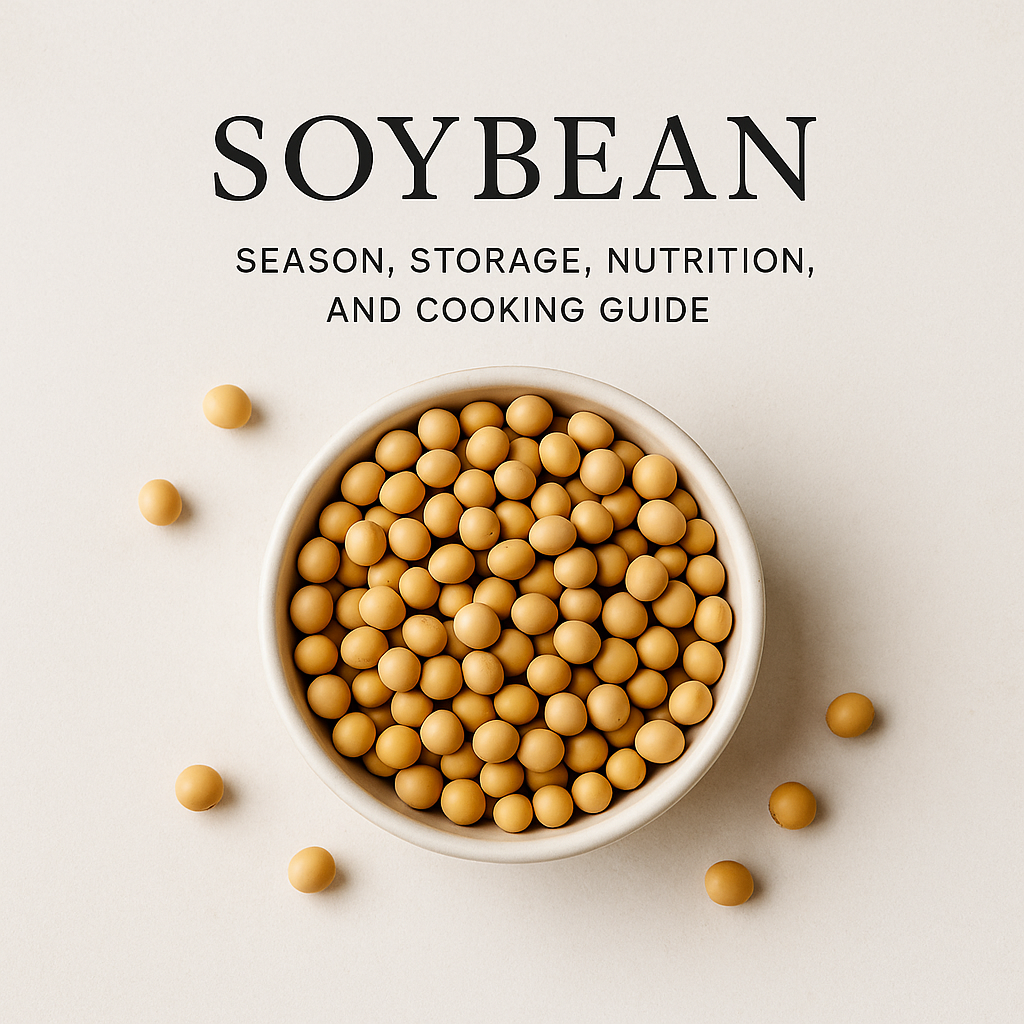
✨ Characteristics
Soybeans, also known as Glycine max, are a species of legume native to East Asia. Distinguished by their round, slightly oval shape, soybeans vary in color, with the most common being green, yellow, brown, and black. The texture of raw soybeans is firm, but upon cooking or processing, they become tender and absorbent—ideal for a multitude of culinary adventures.
💪 Benefits
The benefits of soybeans extend beyond their role as a basic food source. Soybeans are rich in proteins, making them an excellent plant-based protein alternative. They are low in saturated fats and provide essential fatty acids, including Omega-3 and Omega-6. Additionally, soybeans are an excellent source of dietary fiber, vitamins such as B vitamins, and minerals like iron, calcium, and magnesium. Furthermore, they contain bioactive compounds like isoflavones, which have been studied for their potential health advantages, particularly in cardiovascular wellness.
🌍 Origin
The history of soybeans stretches back thousands of years, originating from East Asia, notably in China. It's said that they were domesticated as early as 9000 B.C. Over time, their cultivation spread across Asia and eventually reached the Western world. Today, soybeans are a staple in many countries and are used both as food and for various industrial applications, contributing heavily to agricultural economies across the globe.
📅 Harvest Season
The harvest season for soybeans varies by region but generally takes place between September and October in the Northern Hemisphere. The planting begins in late spring when the soil warms up, leading to a growth cycle that capitalizes on the warm summer months. This seasonal timeline ensures that soybeans reach full maturity under optimal conditions.
🧺 Varieties
Soybeans come in several varieties, each with unique characteristics and uses. The most common variety is the yellow soybean, which is primarily used for producing soy milk, tofu, and other processed goods. Green soybeans, also known as edamame, are harvested while still young and are popularly eaten as a snack or side dish. Black soybeans are predominant in Asian cuisines and are known for their sweet taste and nutritional benefits. Brown soybeans, though less common, are utilized for creating fermented foods.
🛒 How to Choose (Checklist)
When selecting soybeans, whether fresh or dried, keep this checklist in mind:
- Color: Consistent coloring without spots or discoloration.
- Texture: Firm and dense; if fresh, they should snap cleanly.
- Aroma: Minimal smell; any strong or off odors suggest spoilage.
- Packaging: Sealed and intact if buying packaged products.
- Certification: Look for organic or non-GMO labels if preferred.
🍽 Cooking & Eating Methods
Soybeans are tremendously versatile in culinary applications. Here are some popular methods to enjoy them:
- Boiling: Common for preparing edamame. Boil in salted water until tender.
- Steaming: Helps retain nutrients, especially for edamame.
- Roasting: Provides a crunchy snack when roasted in the oven with seasonings.
- Fermenting: Used to make products like tempeh and miso.
- Puréed: Soybeans can be puréed for creamy dishes or spreads.
- Blending: Soybeans are blended to make soy milk, a dairy alternative.
❄ Storage Tips
Proper storage of soybeans is essential to maintain their freshness and nutritional value:
- Dry Soybeans: Store in an airtight container in a cool, dark place for up to a year.
- Cooked Soybeans: Keep in the refrigerator in a sealed container and consume within 3-4 days.
- Fresh Edamame: Refrigerate in a plastic bag and use within 2-3 days or blanch and freeze for longer storage.
- Frozen Soybeans: Ensure the package is sealed; they can last 6-12 months in the freezer.
❓ FAQ
- 1. Can soybeans be eaten raw? Soybeans should not be eaten raw as they contain substances that can interfere with digestion. Cooking enhances their digestibility and neutralizes harmful compounds.
- 2. Are soybeans genetically modified? While many soybeans are genetically modified, there are also organic and non-GMO options available for consumers who prefer them.
- 3. How do soybeans compare nutritionally to other beans? Soybeans are higher in protein and essential fatty acids compared to many other beans, making them a nutrient-dense choice for plant-based diets.