🍓 Sorrel: Season, Storage, Nutrition, and Cooking Guide
Sorrel, with its distinctive tangy taste and vibrant leaves, is a leafy green that offers versatility in culinary creations. As you journey through this article, you'll gain insights into its characteristics, benefits, origin, and the best ways to store and cook it. Whether you're a food enthusiast or a curious cook, this guide will enrich your understanding of sorrel.
✨ Characteristics
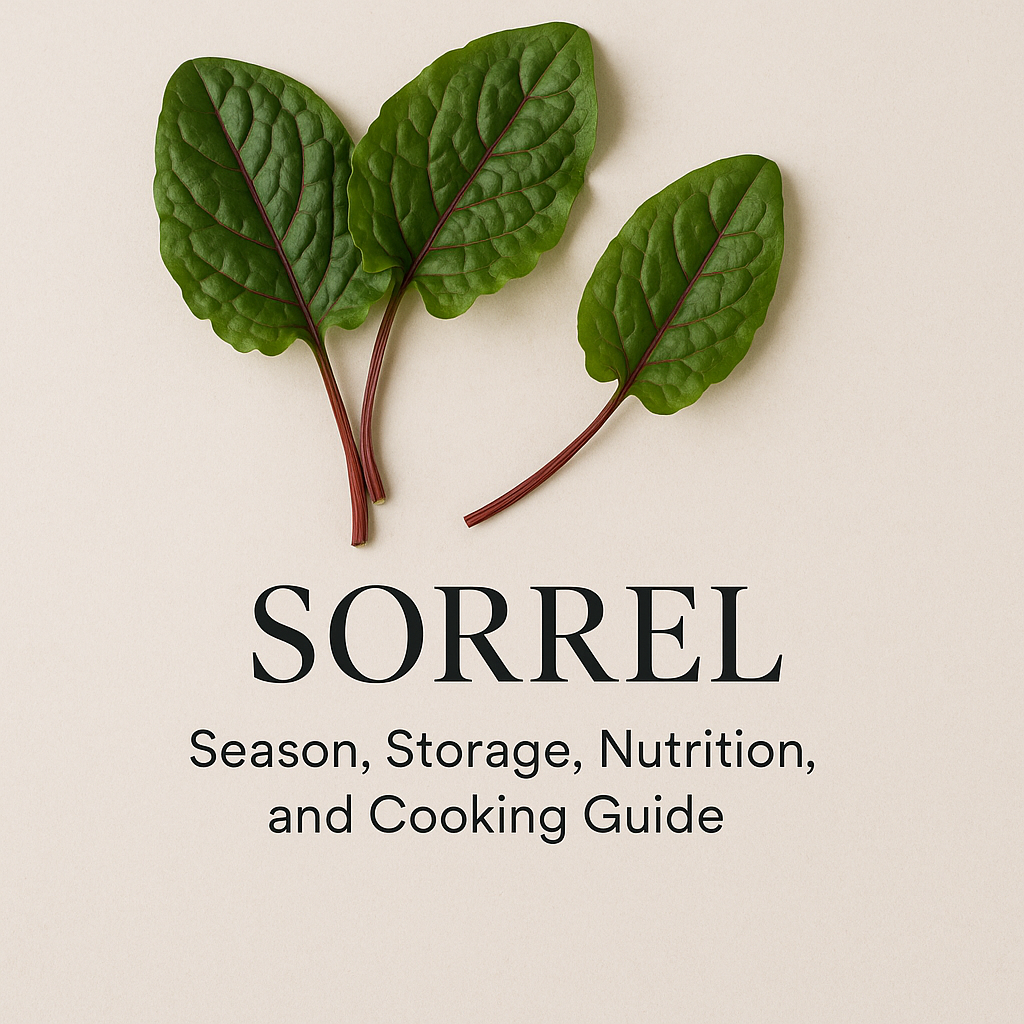
Sorrel is a herbaceous plant known for its sharp, tart flavor reminiscent of lemon. Its arrow-shaped leaves are typically between 4 to 6 inches long, with a vibrant green color that can brighten any dish. While it is part of the Polygonaceae family, sorrel is often confused with spinach due to its leafy appearance; however, its taste sets it apart with a unique astringent flavor. This taste is due to the presence of oxalic acid, which provides the characteristic tartness that many people love in sorrel.
💪 Benefits
Sorrel boasts a range of nutritional benefits, making it a healthy addition to diets. Rich in vitamins A and C, sorrel contributes to maintaining healthy skin and immune function. It also provides a good source of fiber, helping with digestion and promoting a feeling of fullness. Sorrel contains several antioxidants, which help to protect the body's cells from damage caused by free radicals. These properties make sorrel a nutritious choice for those looking to enhance their diet with leafy greens.
🌍 Origin
Originating from Europe and parts of Asia, sorrel has a long history of use both in culinary and medicinal contexts. Traditionally, it was valued for its refreshing sour taste and its supposed ability to cleanse the blood. Over centuries, sorrel has become a staple in various cuisines around the world, including French, Russian, and Caribbean, where it is often used in soups, sauces, and salads. Its adaptability and unique flavor profile continue to make it a popular choice for chefs and home cooks alike.
📅 Harvest Season
Sorrel is a cool-season perennial that thrives in temperate climates. It is typically harvested throughout the spring and early summer months. In some regions, sorrel can also be harvested again in the fall after the temperatures cool down. For optimal flavor and texture, the leaves should be picked while they are young and tender. Gardeners and farmers aim to harvest sorrel just as the flower stalks begin to form to ensure the best taste.
🧺 Varieties
Several varieties of sorrel are cultivated for culinary use, each differing slightly in flavor and appearance:
- Garden Sorrel: The most commonly used variety in cooking, known for its milder flavor compared to its counterparts.
- French Sorrel: This variety has a softer texture and a more intense citrus taste, making it ideal for raw salads.
- Red-veined Sorrel: Recognizable by its striking red veins, this variety is often used for its visual appeal as well as its taste.
🛒 How to Choose (Checklist)
When selecting sorrel at the market, consider the following checklist to ensure freshness and quality:
- Look for bright green leaves without blemishes or discoloration.
- Select leaves that are crisp and not wilted.
- Avoid bunches with a strong, unpleasant odor, as this can indicate spoilage.
- Choose organic if possible to avoid pesticide residues.
🍽 Cooking & Eating Methods
Sorrel's versatility in the kitchen allows it to be used in various dishes, imparting a vibrant flavor. Here are several ways to enjoy sorrel:
Raw: Add fresh sorrel leaves to salads for a zesty kick. They pair well with sweet fruits, like strawberries or oranges, and creamy cheeses.
Soups: Sorrel's tangy flavor shines in soups. A classic preparation is sorrel soup, where its leaves are simmered gently and often pureed to create a light yet flavorful dish.
Sauces: Blended into sauces, sorrel adds a delightful sharpness that complements fish and poultry remarkably well.
Sautéed: Lightly sautéed with butter, it can be served as a side or used as a topping for meats.
Beverages: Sorrel is also popular in beverages, especially in Caribbean countries, where it is steeped to make a refreshing tea or served cold as a punch.
❄ Storage Tips
To prolong the shelf life of fresh sorrel, proper storage is key. Once purchased or harvested, sorrel should be stored in the refrigerator. Wrap the leaves in a damp paper towel and place them in a plastic bag, which will help to maintain their moisture and crispness. Stored in this manner, sorrel can last for up to a week. It is recommended to wash sorrel just before use rather than before storage to prevent the leaves from becoming soggy.
❓ FAQ (3 questions)
1. Can sorrel be eaten raw?
Yes, sorrel can be eaten raw and is often used in salads to add a lemony flavor. Its tartness complements various ingredients, making it a favorite for fresh preparations.
2. Is sorrel the same as hibiscus?
While sometimes referred to as "Jamaican sorrel," hibiscus sabdariffa is a different plant altogether. The term "sorrel" in this context refers to the hibiscus flower used to make beverages. They are different from the leafy green vegetable sorrel.
3. How can I reduce the sourness of sorrel?
To mellow sorrel's sharp taste, consider blanching the leaves briefly. Cooking also reduces the acidity, making it less tart while still retaining its unique flavor.