🍓 Snow Pea: Season, Storage, Nutrition, and Cooking Guide
Snow peas, with their crisp texture and delicate flavor, are a popular choice in many culinary traditions worldwide. Known for their edible pods, snow peas are not only versatile in the kitchen but also packed with nutritional benefits. This guide will delve into everything you need to know about snow peas, from their characteristics and benefits to how to choose, store, and cook them effectively.
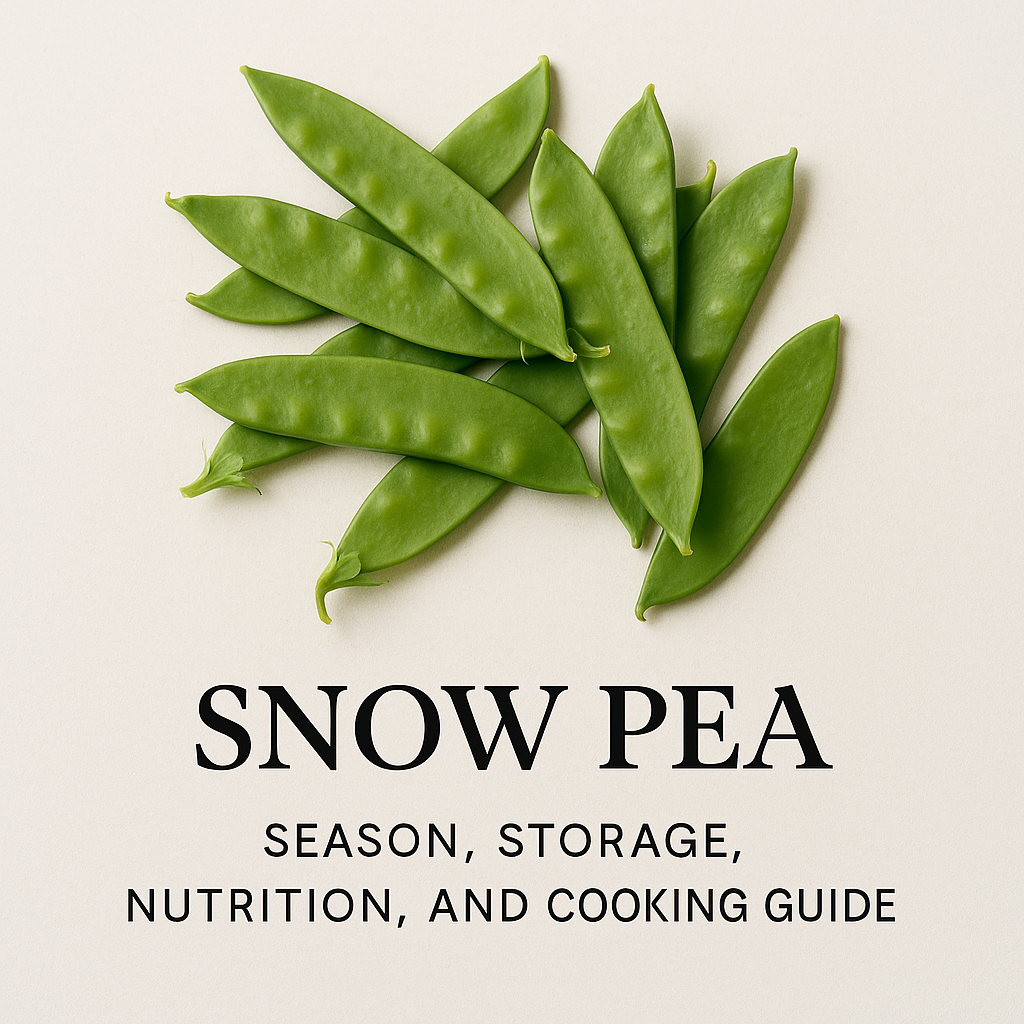
✨ Characteristics
Snow peas, scientifically termed as Pisum sativum var. macrocarpon, are a type of legume known for their flat edible pods that enclose tiny peas. Unlike other peas, snow peas are harvested when the peas inside are still immature, allowing the pod to remain crisp and tender. This unique feature makes them distinct in the pea family and a favorite in various cuisines, particularly in stir-fry dishes.
💪 Benefits
Snow peas offer several nutritional benefits, boasting a low-calorie count while being rich in essential vitamins and minerals. They are an excellent source of Vitamin C, Vitamin K, and Vitamin A, which contribute to various functions such as immune system support, bone health, and vision. Furthermore, snow peas provide dietary fiber which aids in digestive health and helps in maintaining a healthy weight. They are also a good source of protein, making them a valuable addition to vegetarian and vegan diets.
🌍 Origin
While the precise origin of snow peas is uncertain, they are believed to have originated in Southwest Asia and have been cultivated for thousands of years. These peas were introduced to European cuisines in the 19th century and have since spread to become a staple in many global recipes. Snow peas are especially prominent in Asian cuisines, admired for their ability to absorb flavors and maintain a delightful crunch when cooked.
📅 Harvest Season
Snow peas are typically planted in early spring as they thrive in cool weather, making them a quintessential spring crop. Depending on the region's climate, they can also be planted late in the summer for a fall harvest. In general, snow peas are best when grown in temperatures ranging between 55 to 75 degrees Fahrenheit. Their availability in markets generally aligns with spring and early summer, though in some areas they may be accessible year-round due to imports.
🧺 Varieties
There are several varieties of snow peas which vary in size, sweetness, and plant habit. Some of the popular varieties include:
- Mammoth Melting Sugar: Known for its large pods that remain tender and sweet, ideal for fresh eating or cooking.
- Dwarf Grey Sugar: A bush variety with smaller pods, often used in gardens with limited space.
- Taiwan Sugar: An exceptionally sweet variety with tender and succulent pods, popular in Asian markets.
🛒 How to Choose (Checklist)
When selecting snow peas at the market, keep the following checklist in mind:
- Look for peas that are bright green in color.
- Pods should be plump yet flat with small, immature peas inside.
- Select peas with smooth, unblemished skins free of any spots or signs of wilting.
- The pods should snap easily when bent, indicating freshness.
- Avoid any pods that appear yellowed or too swollen.
🍽 Cooking & Eating Methods
Snow peas can be enjoyed both raw and cooked, offering versatility in their use. Here are some cooking and eating methods:
- Raw: Enjoy snow peas fresh in salads or as part of a healthy snack platter.
- Stir-fried: Add to stir-fry dishes for a crunchy texture; they pair well with meats, tofu, and a variety of sauces.
- Steamed: Lightly steaming snow peas preserves their nutrients and gives them a tender-crisp bite.
- Sauteed: Quickly sautéing with garlic and a touch of sesame oil can enhance their natural flavor.
❄ Storage Tips
Proper storage of snow peas ensures their freshness and nutritional quality is maintained. Here are some tips for storage:
Fresh snow peas should be stored in the refrigerator. Place them in a plastic bag or a reusable container with a breathable lid to maintain moisture while preventing condensation build-up. They can last up to a week when stored properly. Ensure to wash them thoroughly before use. If you wish to store them longer, blanch the snow peas briefly in boiling water, then immediately transfer to an ice bath before freezing. This method helps to retain their color, flavor, and nutritional value.
❓ FAQ
- Are snow peas the same as sugar snap peas? No, while both snow peas and sugar snap peas have edible pods, sugar snap peas are rounder and sweeter. Snow peas are flat and less sweet.
- Can dogs eat snow peas? Yes, snow peas are safe for dogs to consume in moderation. They should be given plain without any added seasonings.
- What is the best way to prepare snow peas for a party? For a simple yet elegant presentation, consider a snow pea salad or serve them raw with a selection of dips like hummus, or a creamy garlic dressing.