🍓 Snap Pea: Season, Storage, Nutrition, and Cooking Guide
Snap peas, with their sweet and crisp pods, are a delightful part of any meal. Known for their versatility and nutritional benefits, they are popular in cuisines worldwide. This guide will delve into the characteristics, benefits, origin, and provide you with tips on storage, cooking, and selecting the best snap peas.
✨ Characteristics
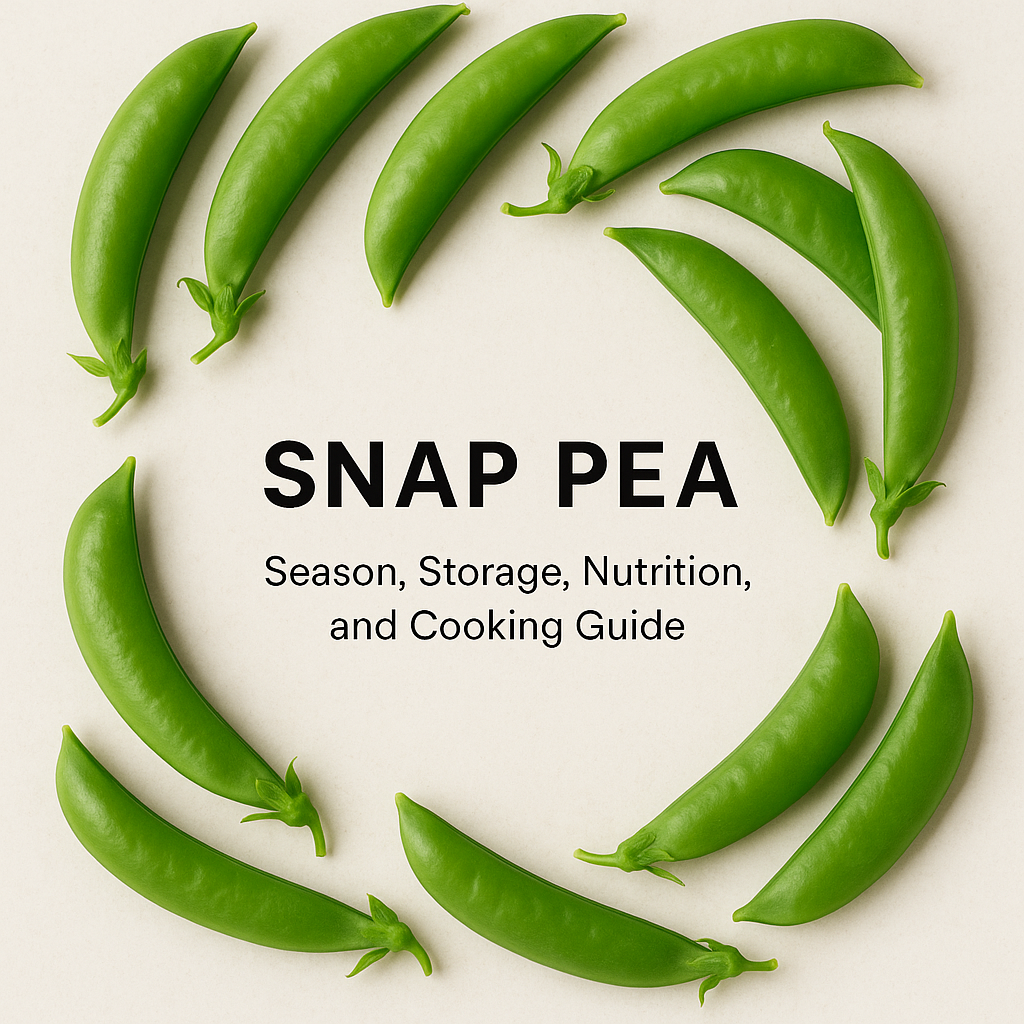
Snap peas, also known as sugar snap peas, are a cross between snow peas and garden peas. They feature edible pods that are thick and crunchy, housing the sweet and tender peas within. The vibrant green color and crisp texture make them an attractive addition to dishes, offering a delightful contrast to both cooked and raw meals. Unlike garden peas, snap peas are harvested before the sugar turns to starch, keeping them sweet and enjoyable.
💪 Benefits
Snap peas are not just tasty; they are also packed with vital nutrients. They are an excellent source of dietary fiber, aiding in digestive health. Vitamins such as A, C, and K make them powerful antioxidants and support overall immune function. The peas are rich in iron, potassium, and manganese, which are crucial for maintaining healthy blood pressure and bone health. Additionally, low calorie content makes snap peas an excellent choice for those watching their weight while ensuring nutrient sufficiency.
🌍 Origin
The snap pea has its roots in the ancient gardening practices of the Middle East, later spreading to Europe and the rest of the world. The current variety commonly seen was developed in the 20th century, by exploring the desirable traits from snow peas and garden peas. Today, snap peas are cultivated in many parts of the world, thriving in temperate climates that support their growth season well.
📅 Harvest Season
Snap peas have a relatively early growing season. Typically, they are sown in early spring as soon as the ground can be worked. They thrive in cooler temperatures and are usually ready to be harvested within 60 to 70 days. The peak season for fresh, locally grown snap peas runs from late spring to early summer, depending largely on climate and regional conditions.
🧺 Varieties
Numerous varieties of snap peas are available, each with unique characteristics:
- Sugar Ann: A very early maturing variety, perfect for northern climates and colder regions.
- Sugar Snap: The classic variety, known for its exceptional flavor and sweetness.
- Cascadia: Offers tolerance to various plant viruses, suitable for organic gardens.
- Super Sugar Snap: Known for long vines and prolific yields; requires staking or support.
🛒 How to Choose (Checklist)
When selecting snap peas at the market, consider these checklist tips to ensure you get the best quality:
- Look for vibrant, bright green pods that are firm to touch.
- Avoid pods with blemishes, spots, or signs of softness.
- Choose peas that are crisp and make a snapping sound when broken.
- The peas should fill the pod yet not cause it to bulge significantly.
- Check for freshness by snapping a pod in half; it should be moist and fragrant inside.
🍽 Cooking & Eating Methods
Snap peas can be enjoyed in a multitude of ways. Their whole pods are edible, which makes them convenient and versatile. Here are several cooking and eating methods:
- Raw: Served in salads or as a crunchy snack with dips.
- Steamed: Lightly steaming snap peas enhances their sweet flavor while retaining nutrients.
- Stir-Fried: Quickly stir-fry with garlic and ginger for a tasty side dish.
- Sautéed: Combine with other vegetables and olive oil for a healthy mixture.
- Blanched: Briefly boil and immediately cool in ice water to maintain color and texture.
❄ Storage Tips
Proper storage can extend the freshness of snap peas. Here are some storage tips:
- Refrigerate unwashed snap peas in a perforated plastic bag or a container with vents.
- Use them within five days of purchase for optimum freshness.
- To freeze, blanch peas briefly, submerge in ice water, then store in airtight freezer bags.
- Utilize a vacuum sealer for freezing to prevent freezer burn and prolong shelf life.
❓ FAQ (3 questions)
What is the difference between snap peas and snow peas?
Snap peas have thicker pods that are sweeter and more rounded. Snow peas have flat, tender pods, and the peas inside are nearly flat. Both are entirely edible and have their own culinary uses.
Can snap peas be eaten raw?
Yes, snap peas are delicious raw and retain their sweet flavor and crisp texture. They are perfect for salads, crudités, and healthy snacks.
How do I know if snap peas have gone bad?
Snap peas that have gone bad often turn soft, develop spots or mold, and lose their vibrant color. Discard peas that have an off-smell or have become mushy.