🍓 Shallot: Season, Storage, Nutrition, and Cooking Guide
Shallots are a staple in many cuisines worldwide, offering a delicate yet robust flavor that enhances a variety of dishes. This guide will explore everything you need to know about shallots, including their characteristics, nutritional benefits, origins, seasonal availability, and cooking methods.
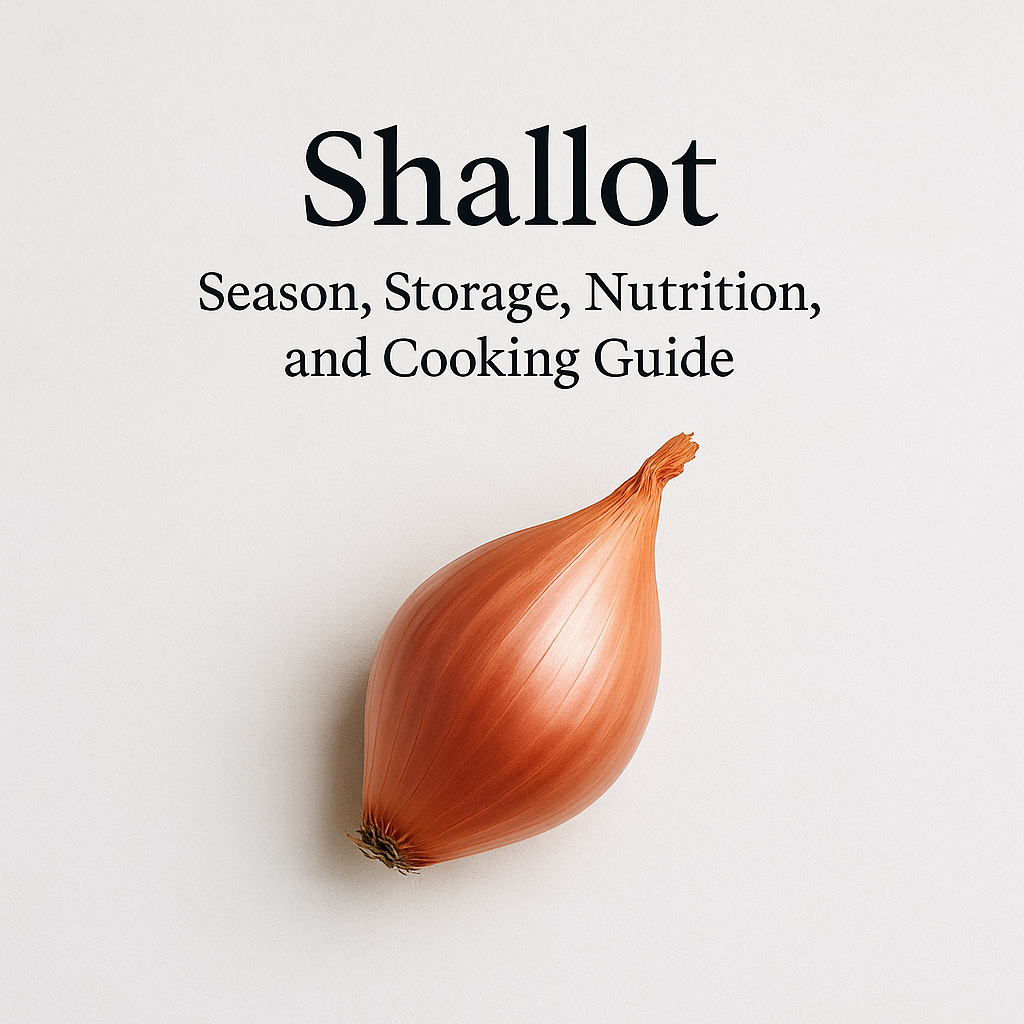
✨ Characteristics
Shallots are often regarded as a cross between onions and garlic, with a milder flavor profile. They typically have a small size, elongated shape, and come in shades ranging from golden brown to purplish-red. Inside, they consist of tightly clustered cloves, similar to garlic. The subtle sweetness of shallots makes them an ideal addition to salads, sauces, and garnishes.
💪 Benefits
While shallots may appear diminutive, their nutritional profile is impressive. They are an excellent source of vitamins and minerals, including vitamin C, vitamin B6, manganese, and folate, which support immune function and overall health. Additionally, their antioxidant properties help in fighting off free radicals, contributing to cell protection and anti-inflammatory effects. Bear in mind, however, that these benefits are part of a balanced diet and lifestyle.
🌍 Origin
The origin of shallots can be traced back to Central or Southwest Asia, with historical evidence suggesting their use in ancient Egyptian and Greek cuisines. They were subsequently introduced to Europe and later, the rest of the world, eventually becoming a beloved cooking ingredient in various global cuisines. Today, shallots are cultivated in numerous countries, including France, the Netherlands, and the United States.
📅 Harvest Season
The best time to harvest shallots is in the late spring to early summer, although the exact period can vary depending on the region and climate. They thrive in temperate environments as they are sensitive to frost. When planting shallots in your garden, it's essential to consider local climate conditions to optimize growing results. Growers often plant shallots in the fall for a summer harvest.
🧺 Varieties
There are several shallot varieties, each offering unique flavor profiles, shapes, and colors. Some popular varieties include:
- French Grey Shallot: Known for its robust flavor and grey skin, it is considered a delicacy.
- Red Shallot: Often larger, with a sweeter taste, suitable for raw applications.
- Golden Shallot: Characterized by its coppery skin and mild taste, commonly used in cooking.
🛒 How to Choose (Checklist)
When selecting shallots at the market, consider the following checklist to ensure quality:
- Select firm, dry shallots with no visible signs of sprouting.
- Avoid shallots with soft spots or blemishes.
- Check for a pleasant aroma; any off smell could indicate poor quality.
- Opt for medium-sized shallots for the best balance of flavor and ease of preparation.
🍽 Cooking & Eating Methods
Shallots are incredibly versatile and can be enjoyed both raw and cooked. Here are some popular cooking and consumption methods:
- Sautéing: Quickly sauté shallots in butter or oil to enhance their sweetness, a staple base for sauces and soups.
- Raw: Finely chopped shallots add a subtle crunch and flavor to salads and dressings.
- Roasting: Roasting brings out deep caramelized flavors, making them ideal as a side dish or topping.
❄ Storage Tips
Proper storage is essential to maintain the freshness and flavor of shallots. Here are some key tips for optimal storage:
- Store shallots in a cool, dry place with adequate ventilation.
- Avoid storing them in the refrigerator, as excess moisture can lead to spoilage.
- Keep shallots away from potatoes to prevent faster degradation.
- Shallots remain fresh for up to a month when stored appropriately.
❓ FAQ
Q1: Are shallots related to onions?
A1: Yes, shallots belong to the allium family, which includes onions, garlic, leeks, and chives. They share a similar taste profile but are generally milder than onions.
Q2: Can shallots be substituted with onions in recipes?
A2: While onions can be used as a substitute for shallots, they impart a stronger flavor, so you may need to adjust quantities accordingly. For every large shallot, use half the amount of onion.
Q3: Are there specific dishes where shallots work best?
A3: Shallots are ideal for dishes where a subtle, sweet onion flavor is desired, such as vinaigrettes, sauces, and gourmet dishes where they enhance rather than overwhelm other ingredients.