🍓 Seaweed: Season, Storage, Nutrition, and Cooking Guide
Seaweed, a marvel from the ocean, has been a staple in various cultures for centuries. This unique marine vegetable offers an array of flavors and nutrients that have enthralled culinary enthusiasts and health-conscious individuals alike. In this comprehensive guide, we delve into the characteristics, benefits, origin, and much more about seaweed, providing you with essential knowledge to incorporate this versatile ingredient into your lifestyle effectively.
✨ Characteristics
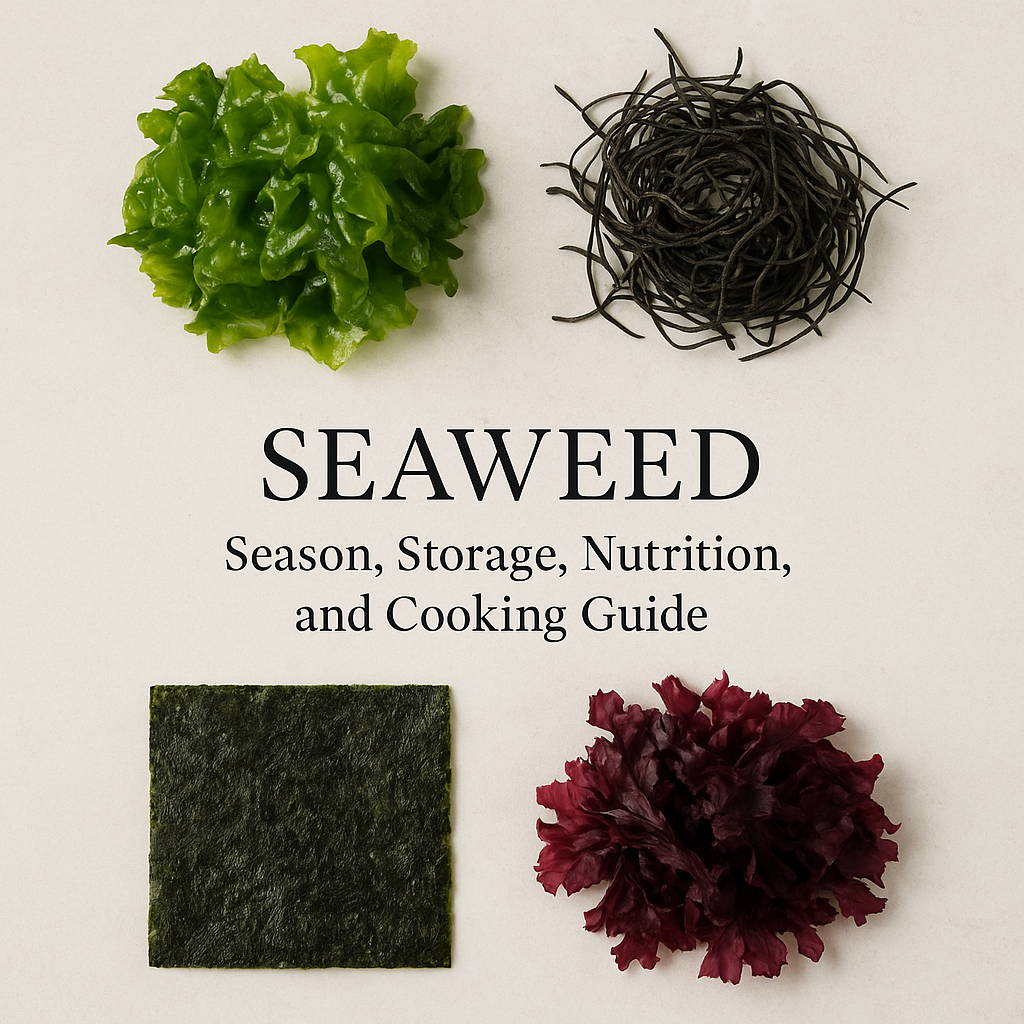
Seaweed is a diverse group of aquatic plants that thrive in oceanic environments. They come in an array of colors, including green, brown, and red, each offering distinct flavors and nutritional profiles. Unlike terrestrial plants, seaweed has a unique structural composition that allows it to absorb nutrients directly from seawater.
Generally, seaweed possesses a salty taste with varying degrees of umami, depending on the type. Texture-wise, it can range from crunchy to silky, making it a versatile ingredient in various culinary applications. Owing to its rapid growth and sustainable harvesting methods, seaweed is increasingly considered an eco-friendly food source.
💪 Benefits
Seaweed boasts an impressive nutritional portfolio. It is rich in essential vitamins and minerals, including iodine, calcium, magnesium, and vitamins A, C, E, and K. One of the notable characteristics of seaweed is its high iodine content, a vital nutrient for proper thyroid function.
Furthermore, seaweed is high in antioxidants, which can help combat oxidative stress in the body. The dietary fiber content in seaweed not only aids digestion but also contributes to a sense of fullness, supporting weight management efforts. Moreover, the presence of omega-3 fatty acids, particularly in certain varieties, supports cardiovascular health.
🌍 Origin
Seaweed has a long history of use in various cultures across the globe, particularly in Asian cuisine. Countries like Japan, Korea, and China are renowned for their traditional dishes that heavily incorporate seaweed. However, the consumption and cultivation of seaweed are not limited to Asia; regions in Europe, North America, and South America also utilize seaweed for both culinary and agricultural purposes.
The sustainable growth and harvesting of seaweed are now recognized worldwide, fostering a global interest in this valuable marine resource as a means to enhance food security and promote environmental conservation.
📅 Harvest Season
Seaweed harvesting typically aligns with its natural growth cycle, which varies depending on the type. Generally, the peak season for harvesting seaweed falls between late spring and early summer. During these months, the growth rate of seaweed is optimal, allowing for abundant harvests.
However, it's important to note that seaweed is resilient and can often be harvested year-round in various regions, making it a reliable and versatile ingredient available in all seasons. Depending on the variety and location, some seaweed may even experience peak growth in the winter months.
🧺 Varieties
There are numerous varieties of seaweed, each offering unique flavors and textures that cater to different culinary needs. Some popular varieties include:
- Nori: Perhaps the most commonly recognized seaweed, nori is used extensively in sushi making. It has a mild taste and is often found in sheet form.
- Wakame: Known for its slightly sweet flavor, wakame is often used in soups and salads. It has a silky texture when reconstituted.
- Kombu: A staple in Japanese cuisine, kombu is used to make dashi, a fundamental broth base. It has a rich umami flavor.
- Dulse: This red seaweed variety is known for its smoky flavor, making it a popular seasoning or snack when dried.
- Sea Lettuce: Often used in salads and soups, sea lettuce has a mild flavor and is rich in nutrients.
🛒 How to Choose (Checklist)
Selecting the best seaweed involves paying attention to quality and type. Here are some tips for choosing the right seaweed for your needs:
- Check for vibrant color and freshness.
- Ensure the packaging is intact and free from moisture.
- Smell the product; it should have a fresh, ocean-like scent without being overpowering.
- Consider the type of seaweed best suited for your recipe.
- Choose sustainably sourced products to support ethical harvesting practices.
🍽 Cooking & Eating Methods
Seaweed can be used in a myriad of culinary applications, from traditional dishes to innovative recipes. Here are some common methods of preparation:
Raw: Seaweed can be eaten raw, especially varieties like sea lettuce and dulse, which make great additions to salads or as garnishes.
Rehydrated: Many types of seaweed, such as wakame, require soaking in water to rehydrate before use. This softens their texture and enhances their flavor.
Cooked: Seaweed can be incorporated into soups, stews, and broths. Kombu, for instance, is simmered to create flavorful stocks.
Seasoned: Dried seaweed flakes or sheets can be roasted and seasoned for a crispy snack or used as a topping for rice dishes.
Explore different preparations to discover the diverse tastes and textures seaweed offers, turning any meal into an oceanic delight.
❄ Storage Tips
Proper storage is crucial to maintaining the quality and freshness of seaweed. Here are some storage tips to consider:
- Store dried seaweed in a cool, dry place in an airtight container to prevent moisture absorption.
- If refrigerated, ensure the seaweed is sealed properly to avoid absorbing other odors from the fridge.
- Rehydrated seaweed should be consumed within a few days and stored in the refrigerator in a covered container.
- Pay attention to expiration dates, as seaweed can lose its quality over time.
Using these storage methods ensures that your seaweed remains fresh and ready for use whenever you need it.
❓ FAQ
Q1: Can seaweed be used as a salt substitute?
A1: Yes, seaweed can be a fantastic low-sodium substitute for salt in various dishes due to its inherent salty and umami flavors, enhancing the dish's depth without additional sodium.
Q2: Is seaweed vegan-friendly?
A2: Absolutely! Seaweed is a plant-based ingredient, making it an excellent addition to vegan and vegetarian diets. It adds flavor, nutrition, and texture to plant-based meals.
Q3: How long does dried seaweed last?
A3: When stored correctly in a cool, dry place, dried seaweed can last for several months, if not years. Always check the packaging for any specific expiration or best-by dates.