🍓 Radicchio: Season, Storage, Nutrition, and Cooking Guide
Radicchio, a colorful and slightly bitter leafy vegetable, is a staple ingredient for many culinary enthusiasts. Known for its vibrant hues and crisp texture, it offers not only visual appeal but also a unique flavor profile to various dishes. Understanding how to select, store, and prepare radicchio can enhance your dining experience while providing numerous nutritional benefits.
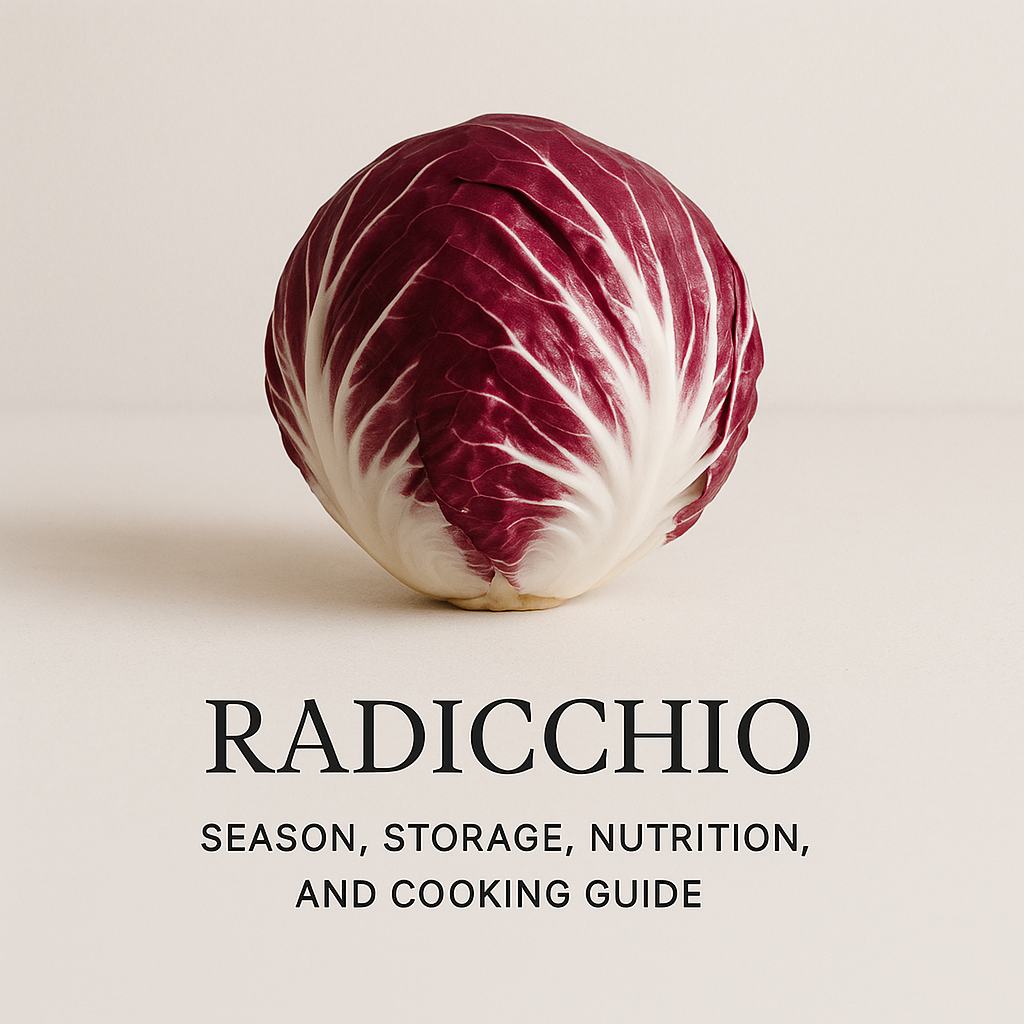
✨ Characteristics
Radicchio is a member of the chicory family, closely related to other vegetables such as endive and escarole. It is characterized by its dense, tightly packed leaves, which may vary in color from deep red to pale purple, often with contrasting white veins. The leaves of radicchio are typically crunchy and can be expected to have a bitter, slightly spicy taste.
There are several types of radicchio, each possessing unique features. The shape can range from round to elongated, and the flavor may slightly vary depending on the variety and growing conditions. Fresh radicchio leaves are crisp, with a slightly earthy aroma.
💪 Benefits
Radicchio is more than just a colorful addition to your plate; it is packed with nutrients that can contribute to a balanced diet. It is an excellent source of dietary fiber, which supports digestive health. Additionally, radicchio is low in calories yet rich in vitamins and minerals, including vitamin K, vitamin C, folate, and various phytonutrients.
The presence of antioxidants in radicchio can help in reducing oxidative stress. Moreover, the high levels of vitamin K play a crucial role in bone health and proper blood clotting processes. The vegetable's overall nutritional profile makes it a valuable component of a varied, healthy diet.
🌍 Origin
Historically, radicchio has its roots in the Mediterranean region, where it has been cultivated for centuries. Its earliest recorded cultivation dates back to ancient civilizations, where it was prized for its flavor and potential health properties. The vegetable thrived in the rich, fertile soils of Italy, where it eventually became a beloved staple among Italian cuisines.
Today, radicchio continues to be widely grown in Italy, especially in the Veneto region. Gradually, its popularity has spread across the globe, making its way into kitchens and gardens worldwide. The vegetable has become particularly appreciated for its adaptability to various climate conditions and its relatively easy cultivation process.
📅 Harvest Season
Radicchio is a cool-weather crop, with its primary growing season spanning the fall and winter months. This timing allows for the development of its signature flavors as cooler temperatures can enhance the intensity of its bitter taste.
Depending on the variety, radicchio may be ready for harvest as early as late September and as late as March. In regions with mild climates, radicchio can be grown and harvested throughout much of the year, provided that the conditions remain conducive to its development.
🧺 Varieties
There are several notable varieties of radicchio, each with distinct characteristics suited to different recipes and culinary preferences. Some common varieties include:
- Chioggia: The most popular type, with a rounded head and deep red color. It is often used in salads for its striking appearance and robust flavor.
- Treviso: Elongated, with pointed leaves, and less bitter compared to Chioggia. Treviso is known for its versatility in both raw and cooked dishes.
- Verona: Similar to Chioggia but typically smaller with a slightly more intense flavor. Ideal for grilling or roasting.
- Castelfranco: Unique for its milder taste and pale green with red speckled leaves. It adds a gourmet touch to salads and dishes.
🛒 How to Choose (Checklist)
Selecting the best radicchio is crucial for maximizing its flavor and nutritional benefits. Here are some tips to guide your selection:
- Opt for heads with vibrant, consistent coloring and crisp, firm leaves.
- Avoid brown or wilted edges, which may indicate aging or deteriorating quality.
- Check for weight relative to size; a denser head is often more favorable.
- Seek out whole, unblemished heads for the best taste and freshness.
🍽 Cooking & Eating Methods
Radicchio is versatile in the kitchen and can be prepared in numerous ways to suit a range of dishes:
- Raw: Add shredded radicchio to salads for a touch of color and a burst of bitterness. It pairs well with sweet, tangy, or creamy dressings.
- Grilled or Roasted: Cooking radicchio softens its bitterness and enhances its natural sweetness. Slice and grill or roast with olive oil and seasoning.
- Sautéed: Quickly sauté radicchio with garlic and olive oil for a wilted vegetable side dish.
- Pasta Dishes: Incorporate thinly sliced radicchio into pasta dishes for added flavor and texture.
Experimenting with different cooking methods can reveal new flavors and textures, elevating your culinary creations.
❄ Storage Tips
Proper storage techniques can extend the life and quality of your radicchio:
- Store unwashed radicchio in the refrigerator's crisper drawer, wrapped in a damp paper towel within a perforated plastic bag.
- Avoid direct exposure to moisture to prevent rot.
- Use within one to two weeks for optimal freshness, as the bitterness can intensify with age.
❓ FAQ
- Q: Can radicchio be eaten raw?
A: Yes, radicchio can be eaten raw and is commonly added to salads for a bold, bitter flavor. - Q: How can I reduce the bitterness of radicchio?
A: Cooking methods like grilling or roasting can mellow the bitterness, as can pairing with sweet or creamy flavors in dishes. - Q: Is radicchio the same as red cabbage?
A: No, while their appearance may be similar, radicchio and red cabbage are different plants with distinct flavors and textures.