🍓 Purslane: Season, Storage, Nutrition, and Cooking Guide
Explore the world of purslane, an incredibly versatile and nutritious plant that often goes unnoticed, yet offers remarkable benefits for everyday cooking and nutrition. From its seasonal availability to the best storage methods, this guide provides comprehensive insights into making the most of this edible leafy green.
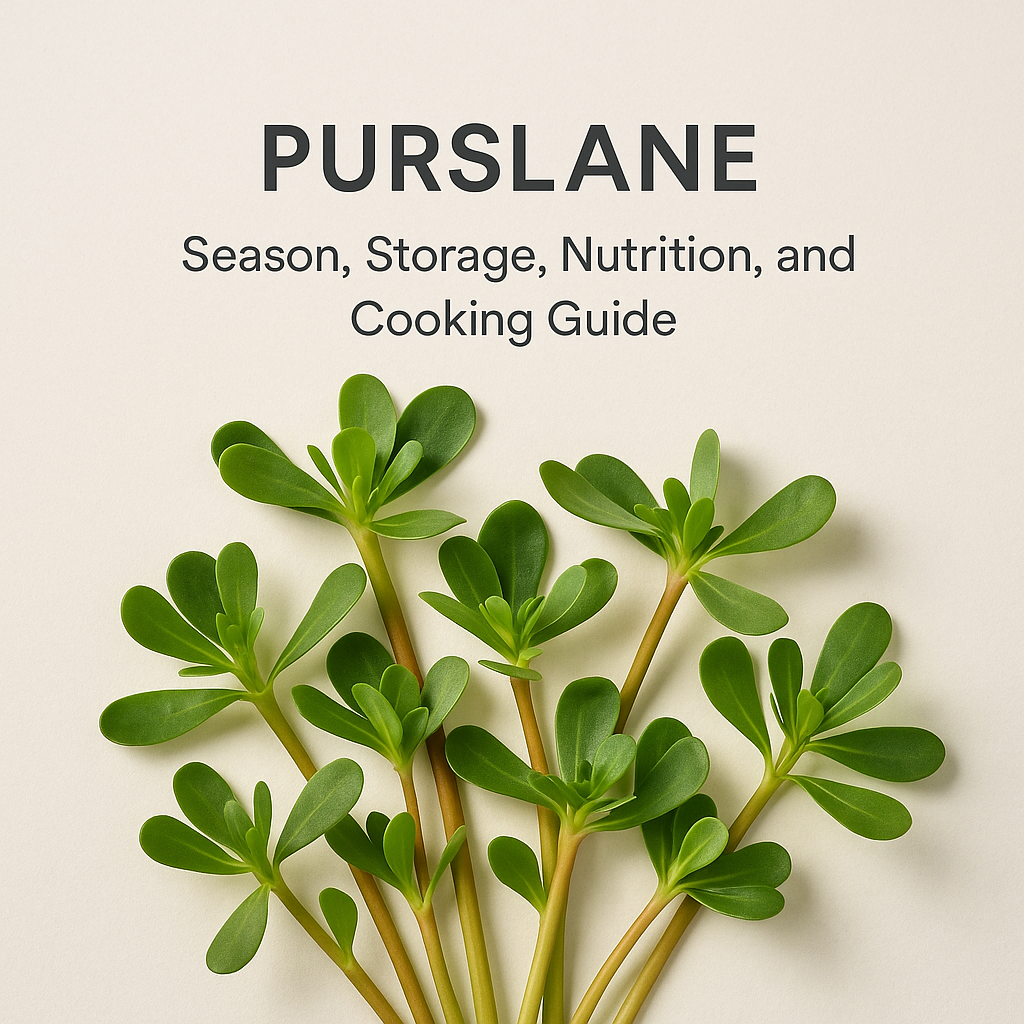
✨ Characteristics
Purslane, scientifically known as Portulaca oleracea, is an herbaceous succulent plant characterized by its vibrant green, spoon-shaped leaves and reddish stems. Often considered a weed, purslane is found growing in a multitude of environments from garden beds to cracks in sidewalks. Its succulent leaves have a slightly sour and salty taste, making it a unique addition to various dishes. With a crunchy texture and refreshing taste, purslane can be used in salads, soups, and many other culinary creations.
💪 Benefits
While often overlooked, purslane is packed with nutrition. It is a rich source of omega-3 fatty acids, which are essential for maintaining heart health. Additionally, purslane provides a good amount of vitamins A, C, and E, as well as magnesium, calcium, potassium, and iron. Its high antioxidant content aids in combating oxidative stress, contributing to overall cellular health. Regularly incorporating purslane in your diet can enhance nutrient intake and promote a balanced diet.
🌍 Origin
Purslane has a rich history and can be traced back to various regions across the world. Originally native to India and Persia, it gradually spread to the Mediterranean, Europe, and the Americas. Its adaptability to different climates and soils has allowed it to flourish almost anywhere, becoming a staple in many traditional cuisines. Although considered an ancient food plant in several cultures, it has gained recognition in contemporary diets thanks to its nutritional properties.
📅 Harvest Season
Purslane is commonly found in the warmer months, thriving in the sunny conditions of spring and summer. It typically grows from late spring to early autumn. The best time to harvest purslane is when the weather is warm but not overly dry, as the plant tends to wilt in extreme heat. Picking purslane early in the day before it experiences peak sun ensures the leaves are crisp and full of moisture. Freshly harvested leaves offer the best flavor and nutrient content.
🧺 Varieties
Several varieties of purslane exist, differing in leaf size, stem color, and flavor profile. While the most common type features small, green leaves and a reddish stem, other varieties include Golden Purslane, which bears a more subtle flavor, and the larger-leafed purslane favored in Mediterranean dishes. Each variety offers unique properties that cater to different culinary requirements. Whether for use in cooking or for medicinal purposes, cultivars of purslane are valued for their versatility.
🛒 How to Choose (Checklist)
- Look for bright green, succulent leaves free from discoloration or spots.
- Select stems that are firm yet tender, avoiding any that are overly woody or cracked.
- Ensure there are no signs of wilting or yellowing, which may indicate aging.
- Sniff for a fresh, earthy aroma indicative of recent harvest.
- Prefer purchasing from local farmers or markets that engage in sustainable practices.
🍽 Cooking & Eating Methods
Purslane's culinary versatility makes it an excellent addition to many dishes. It can be eaten raw in salads or sandwiches, where its crispy texture and tangy flavor complement other ingredients. For a more robust flavor, sauté purslane with garlic and olive oil, or incorporate it into stir-fries and soups. It can also be blended into smoothies for a nutrient boost. Thanks to its high pectin content, purslane serves well as a natural thickener in sauces and stews, offering both texture and nutrition.
❄ Storage Tips
To prolong the shelf life of purslane, proper storage is essential. Store fresh purslane in the refrigerator wrapped in a damp paper towel and placed inside a plastic bag. This helps maintain its moisture and crispness. Purslane can last up to a week under these conditions. Alternatively, blanching purslane and then freezing it maintains its nutrient content for longer storage. When you're ready to use frozen purslane, allow it to thaw gradually in the refrigerator for the best texture and flavor results.
❓ FAQ
What does purslane taste like?
Purslane offers a mildly sour and slightly salty taste, which pairs well with a variety of dishes. Its juicy texture adds a refreshing contrast to many meals, similar to that of spinach or watercress.
Can I grow purslane at home?
Yes, purslane is relatively easy to cultivate at home. It thrives in well-drained soil and requires minimal maintenance. Simply plant seeds in a sunny or partially shaded area, water them occasionally, and avoid over-watering.
Is purslane safe for pets?
While purslane contains oxalates, which can be toxic to pets in large quantities, small amounts consumed occasionally should not pose a significant risk. It's best to consult your veterinarian if you're concerned about your pet's consumption of purslane.