🍓 Portobello: Season, Storage, Nutrition, and Cooking Guide
Portobello mushrooms, known for their large size and meaty texture, have long captivated the interest of chefs and food enthusiasts alike. Whether you're looking to substitute meat in recipes, boost your meals with nutrients, or simply explore new culinary adventures, portobellos offer a delightful and flexible option. This comprehensive guide will cover everything you need to know about portobello mushrooms, including their characteristics, benefits, origin, harvest season, varieties, how to choose them, cooking and eating methods, storage tips, and common questions.
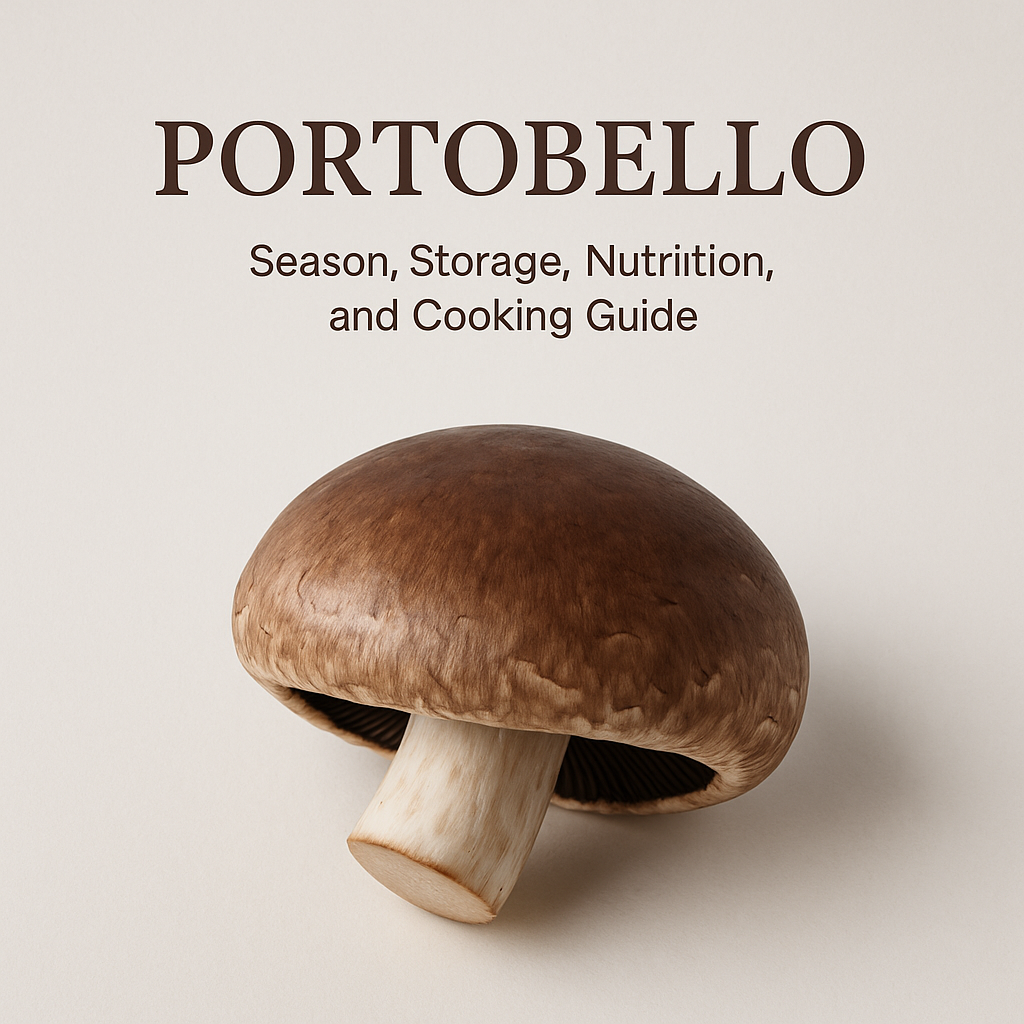
✨ Characteristics
Portobello mushrooms are a mature version of the cremini mushroom, also known as Agaricus bisporus, which are allowed to grow larger and develop an open cap. They typically measure between four and six inches in diameter, characterized by a broad, flat cap rich in flavor and dense in texture. The earthy aroma of portobellos makes them a favorite in various culinary applications, while their robust framework allows them to hold up well in grilling and stuffing.
💪 Benefits
Including portobello mushrooms in your diet can provide a range of health benefits:
- Low Calorie: Portobellos are low in calories, making them an excellent option for those managing their weight.
- Rich in Nutrients: They offer a good source of vitamins such as B vitamins (B2, B3, and B6), and minerals like selenium, phosphorus, and potassium.
- Antioxidants: Nutrients such as selenium act as antioxidants, helping to protect cells from damage.
- Fiber Content: The dietary fiber in portobellos aids in digestion and can help maintain a healthy digestive system.
🌍 Origin
Portobellos trace their origin back to Europe and North America. Their rise to popularity in Western cuisine is relatively recent, although they have been consumed for centuries. Initially, the portobello mushroom was overlooked and considered an overgrown variation of the common button mushrooms, but it has since been embraced for its unique attributes and versatility.
📅 Harvest Season
Portobellos are available year-round thanks to controlled cultivation practices. However, they are at their natural peak from late fall through early winter. During this time, the mushroom cap fully opens, resulting in its robust flavor and ideal texture. Seasonal consumption can ensure maximum freshness and quality.
🧺 Varieties
While "portobello" usually refers to the mature mushroom, there are variations within their growth stages:
- Button Mushroom: The youngest form of Agaricus bisporus, small, with a closed cap.
- Cremini: Also known as "baby bella," it is slightly more mature than button mushrooms and dark brown.
- Portobello: The fully mature phase, with an open and flat cap, offering maximum flavor.
🛒 How to Choose (Checklist)
To select the best portobello mushrooms, consider the following checklist:
- Look for firm and smooth mushrooms, free of blemishes and discoloration.
- The gills underneath the cap should be exposed, dry, and dark brown.
- Avoid mushrooms that appear slimy or have a musty odor.
- Choose mushrooms that feel heavy for their size, indicating freshness.
🍽 Cooking & Eating Methods
Portobellos are celebrated for their versatility in the kitchen. Here are some popular methods to enjoy them:
- Grilling: Brush with olive oil and season well before grilling for a smoky, savory flavor.
- Stuffing: Fill with cheese, vegetables, or grains for a hearty meal or appetizer.
- Roasting: Roast with herbs and spices to enhance their natural earthiness.
- Sautéing: Slice and sauté with garlic and herbs for a quick side dish.
- Sandwiches and Burgers: Use as a meat alternative in sandwiches or serve on a bun as a burger.
❄ Storage Tips
Proper storage can extend the shelf life of portobello mushrooms, maintaining their quality:
- Store them in a paper bag in the refrigerator to absorb excess moisture and prevent sogginess.
- Avoid airtight containers as they may cause them to become slimy.
- Consume within one week for optimal freshness.
❓ FAQ (3 questions)
- What is the difference between portobello and cremini mushrooms? Portobellos are mature cremini mushrooms with a larger size and open cap, possessing a more intense flavor.
- Can portobello mushrooms be eaten raw? Yes, they can be eaten raw in salads or as a garnish, though cooking enhances their flavor and texture.
- How can I tell if a portobello mushroom has gone bad? If they develop a slimy texture, strong odor, or dark spots, it is best to discard them.
Whether you're a seasoned cook or a novice in the kitchen, portobello mushrooms offer a deliciously versatile ingredient full of nutritional benefits. By understanding their characteristics, choosing the right ones, and storing them properly, you can fully enjoy the rich flavors and textures that make these mushrooms a staple in many culinary traditions.