🍓 Pea Shoots: Season, Storage, Nutrition, and Cooking Guide
Pea shoots, the delicate and tender tips of the pea plant, are a culinary delight and a powerful addition to any diet. This guide delves into their characteristics, benefits, and versatile uses, ensuring you get the most out of these vibrant green shoots.
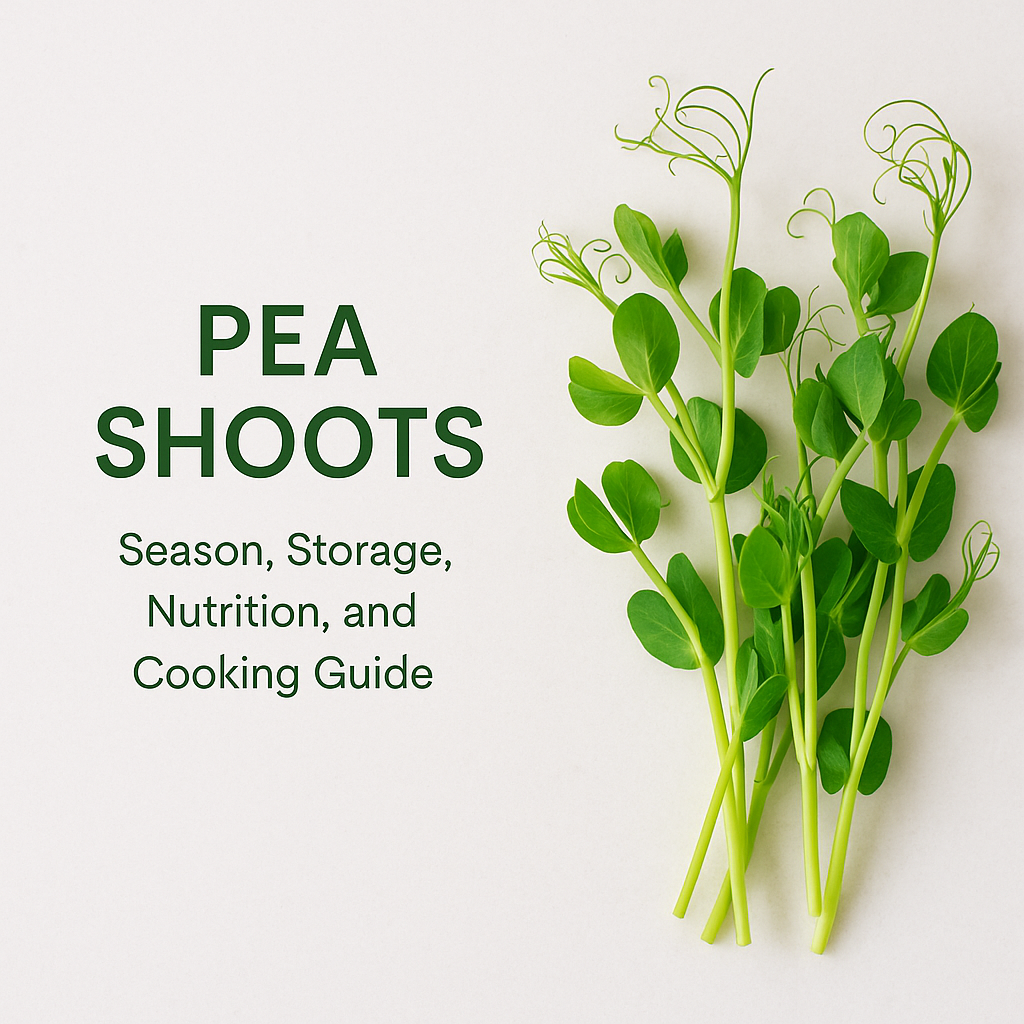
✨ Characteristics
Pea shoots are the young, edible tips of the pea plant, known for their mild, sweet flavor, reminiscent of fresh peas. They boast thin stems, delicate leaves, and sometimes include a few small, curly tendrils. Typically harvested when the plant is about 3-5 inches high, their tender texture and fresh flavor make them a favorite in culinary circles.
These shoots are usually harvested from snow pea or sugar snap pea plants, both of which contribute to their familiar sweetness. Their vibrant green color not only adds a visual appeal but also indicates their richness in nutrients.
💪 Benefits
Pea shoots are not only a tasty addition to meals but also pack a nutritional punch. They're an excellent source of vitamins A, C, and K, which are essential for maintaining healthy skin, bolstering the immune system, and promoting strong bones. Moreover, these greens are rich in antioxidants, which help combat oxidative stress in the body.
As a low-calorie food with a high water content, pea shoots are also great for those looking to maintain a healthy weight. Additionally, they contain valuable fiber, which supports digestive health by promoting regular bowel movements and a healthy gut microbiome.
🌍 Origin
The practice of harvesting young pea plants dates back to ancient Asia, where they have been a staple in Chinese cuisine for centuries. While they have been a traditional ingredient in many Asian dishes, their popularity has spread globally, making appearances in contemporary Western cuisine as a fresh, healthy garnish or salad component.
Today, pea shoots are commonly grown in many parts of the world, thanks to their adaptability and quick growth. They can thrive in various climates, provided they receive adequate sunlight and water.
📅 Harvest Season
Pea shoots have a relatively long growing period and can be harvested almost year-round in warmer climates due to their short growth cycle. However, their peak season typically falls in the spring and early summer when conditions are favorable for pea plants to flourish.
For those growing pea shoots at home, they're ready to harvest about two to four weeks after planting. This quick turnaround makes them a convenient choice for home gardeners and commercial growers alike.
🧺 Varieties
While there are many varieties of peas, the most commonly used for shoots are snow peas and sugar snap peas. Each variety brings slight variations in flavor and texture:
- Snow Peas: Known for their flat, edible pods, snow pea shoots are sweet and tender, ideal for fresh salads and light cooking.
- Sugar Snap Peas: These have a crisp texture and slightly sweet flavor, providing a satisfying crunch when used as a garnish or in stir-fries.
Regardless of the variety, all pea shoots share that quintessentially fresh, green flavor that's incredibly versatile in the kitchen.
🛒 How to Choose (Checklist)
When selecting pea shoots, look for the following indicators to ensure freshness and quality:
- 🌿 Color: Vibrant, lively green color is a sign of fresh and young shoots.
- ✨ Tenderness: Opt for shoots with thin stems and delicate leaves, avoiding any that appear wilted or yellow.
- 🦋 Scent: A fresh, pea-like aroma indicates high-quality, flavorful shoots.
By selecting the freshest pea shoots, you can ensure optimal flavor and nutrient retention in your dishes.
🍽 Cooking & Eating Methods
Pea shoots are incredibly versatile and can be used in a variety of culinary applications. Here are a few popular methods:
- Raw: Add pea shoots to salads for a tender, crisp element. They pair wonderfully with citrus-based dressings and goat cheese.
- Stir-Fry: Quickly toss pea shoots into a hot wok with garlic and sesame oil for a quick, nutritious side dish.
- Soups and Broths: Use them as a last-minute addition to soups or broths, allowing the residual heat to gently wilt them.
- Sandwiches and Wraps: Add fresh pea shoots for an extra punch of flavor and nutrition in sandwiches and wraps.
With their light and subtly sweet flavor, pea shoots enhance many dishes while adding a boost of nutrients.
❄ Storage Tips
Proper storage is key to maintaining the freshness and quality of pea shoots. Follow these tips to extend their shelf life:
- Refrigerate: Store unwashed pea shoots in a plastic bag or airtight container in the refrigerator. They typically last up to five days.
- Moisture Control: Wrap them in a damp paper towel to keep them moist, which helps to prevent wilting.
- Check Regularly: Inspect stored pea shoots regularly and use them promptly to enjoy them at their freshest.
By following these storage practices, you can ensure that your pea shoots remain crisp and tasty until you're ready to use them.
❓ FAQ
- Are pea shoots the same as pea sprouts? No, pea shoots are the young tips of the pea plant, including stems, leaves, and tendrils, while pea sprouts specifically refer to the germinated seeds of the pea plant.
- Can I grow pea shoots indoors? Yes, pea shoots are easy to grow indoors with adequate sunlight or under a grow light. They're a great choice for home gardeners looking to cultivate their own fresh greens.
- Are pea shoots edible for everyone? While pea shoots are generally safe to eat, individuals with allergies to legumes should exercise caution and consult with a healthcare professional if needed.