🍓 Napa Cabbage: Season, Storage, Nutrition, and Cooking Guide
Napa cabbage, a versatile leafy green vegetable, is a favorite ingredient in various culinary traditions around the world. In this comprehensive guide, we will explore its characteristics, benefits, origin, and much more. Whether you are a seasoned chef or a home cook, this guide will enhance your understanding and utilization of this nutritious vegetable.
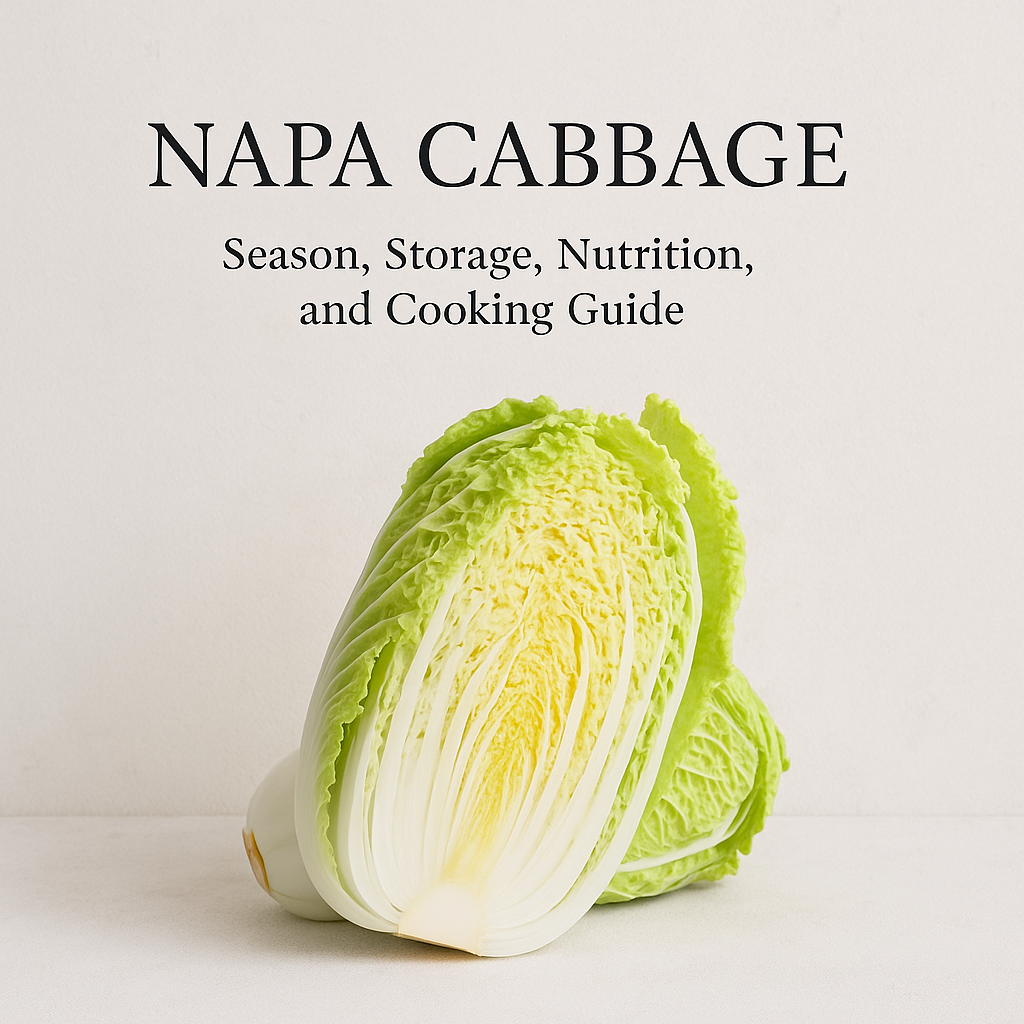
✨ Characteristics
Napa cabbage, also known as Chinese cabbage, is a type of brassica family vegetable that is characterized by its oblong shape, light green leaves, and white stalks. Unlike round cabbage, napa cabbage has softer leaves with a delicate crunchy texture and a mild flavor, making it ideal for a variety of dishes.
💪 Benefits
Napa cabbage is not only a versatile addition to meals but also a nutritious one. It is low in calories yet rich in essential vitamins and minerals such as Vitamin C, Vitamin K, and folate. Its high fiber content can aid digestion, while the antioxidants present can support overall health. Consuming Napa cabbage contributes to a balanced diet and is beneficial for maintaining optimal health.
🌍 Origin
Originally from the Beijing region of China, Napa cabbage has been grown and consumed for centuries. Its cultivation has spread worldwide, with significant production in Asia, North America, and Europe. Its popularity is due in part to its adaptability to different climates and its prominence in traditional dishes in various cultures.
📅 Harvest Season
Napa cabbage is a cool-weather crop, thriving in the cooler temperatures of spring and fall. In areas with mild climates, it can be grown almost year-round. Typically, it is harvested within 70-90 days of planting. To ensure the best quality and flavor, Napa cabbage should be harvested before it fully matures, as it can become tough and bitter if left to grow too long.
🧺 Varieties
Several varieties of Napa cabbage are available, each with distinct characteristics:
- Michihli: Known for its tall and slender shape, Michihli has a delicate flavor and is perfect for stir-fries and salads.
- Kasumi: This variety is characterized by a shorter, rounder shape and is often used in pickling and braising.
- Spring Crisp: With its tender and crisp leaves, Spring Crisp is a popular choice for fresh eating and kimchi.
🛒 How to Choose (Checklist)
When selecting Napa cabbage, consider the following checklist to ensure freshness and quality:
- Color: Look for bright green leaves with no discoloration or wilting.
- Texture: Choose heads that feel firm and heavy for their size, avoiding any softness or mushiness.
- Leaves: Inspect the leaves for crispness, avoiding any that are limp or have holes.
- Stem: Ensure the base is clean and white, as browning or dryness can indicate aging.
🍽 Cooking & Eating Methods
Napa cabbage is an incredibly versatile ingredient that can be prepared in numerous ways:
- Raw: Use it in salads or coleslaw for a refreshing and crunchy texture.
- Stir-fry: The delicate leaves cook quickly, making it ideal for fast and flavorful stir-fry dishes.
- Soups: Add to soups and stews for extra nutrients and flavor.
- Fermented: A key ingredient in kimchi, Napa cabbage is frequently used in a variety of fermented dishes.
- Stuffed: Leaves can be used to wrap various fillings, similar to cabbage rolls.
❄ Storage Tips
To extend the shelf life of Napa cabbage, proper storage is essential:
- Refrigeration: Store in the crisper drawer of your refrigerator, ideally in a perforated plastic bag to allow for air circulation.
- Whole Heads: Napa cabbage can last up to 2 weeks in the refrigerator if kept whole and uncut.
- Cut Cabbage: If only part of the cabbage is used, wrap the remainder tightly in plastic wrap and use within a few days to maintain freshness.
❓ FAQ
Q1: Can Napa cabbage be grown at home?
A: Yes, Napa cabbage is relatively easy to grow at home, especially in cooler climates. It requires well-drained soil and adequate sunlight to thrive.
Q2: Is Napa cabbage the same as bok choy?
A: No, Napa cabbage and bok choy are different types of Chinese cabbage. Napa has broad leaves and a more delicate texture, while bok choy has darker green leaves and crisp, white stalks.
Q3: Can Napa cabbage be frozen?
A: Yes, Napa cabbage can be blanched and frozen for long-term storage. However, freezing may alter its texture, making it softer when thawed. It is best used in cooked dishes after freezing.