🍓 Mushroom: Season, Storage, Nutrition, and Cooking Guide
Mushrooms are a versatile and nutritious ingredient found in cuisines around the world. Whether you are a culinary enthusiast or simply love to savor new flavors, understanding more about mushrooms will enhance your cooking and dining experience. This guide walks you through the characteristics, benefits, origin, harvest season, varieties, selection tips, cooking methods, and storage of mushrooms.
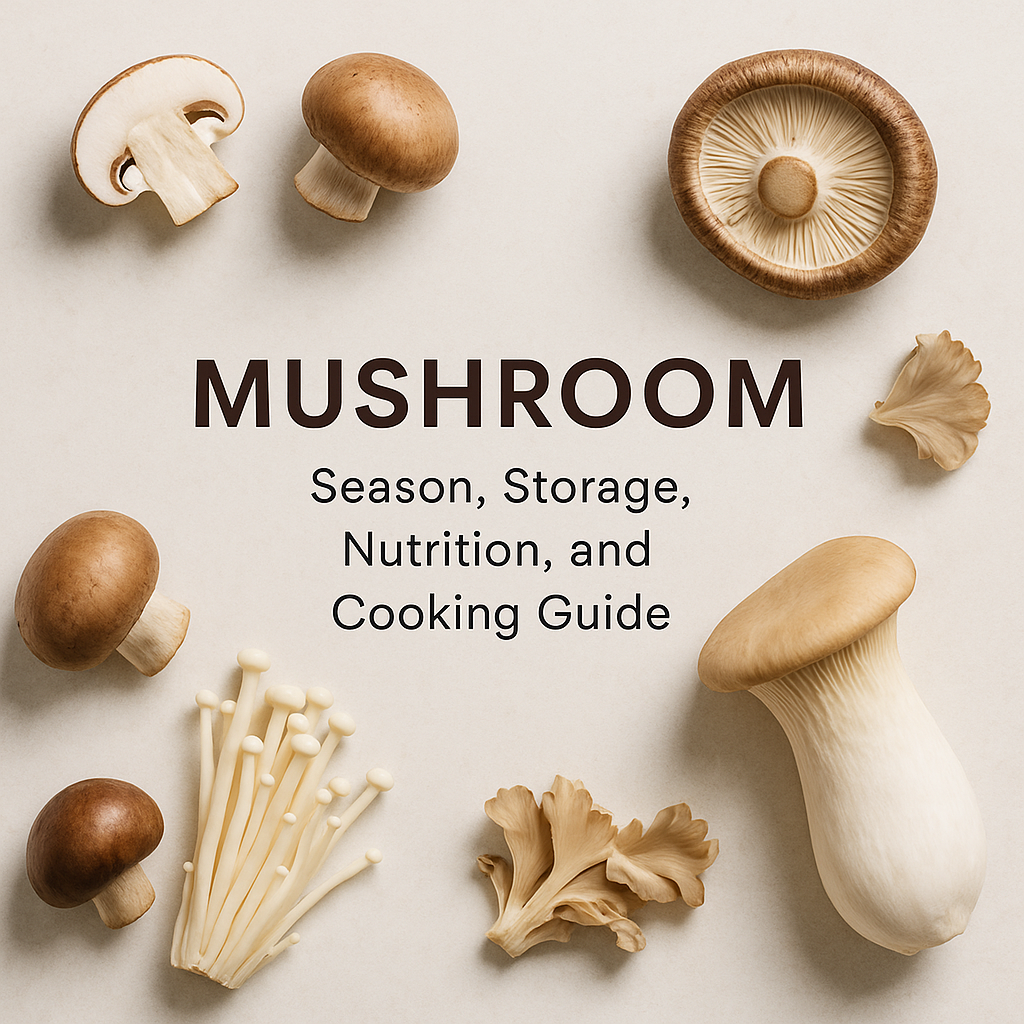
✨ Characteristics
Mushrooms are fungi, a unique type of organism that is neither plant nor animal. They come in various colors, shapes, and sizes, from the small and button-like white mushrooms to the large, flat portobellos. Most edible mushrooms have a similar structure, comprising a cap, gills beneath the cap, and a stem. They are generally soft and sponge-like in texture, with a subtle earthiness in flavor, which can vary greatly depending on the type.
💪 Benefits
Mushrooms are not only tasty but also pack numerous nutritional benefits. They are low in calories and fat, making them an excellent food choice for those watching their intake. Here are some highlighted benefits:
- Rich in Nutrients: Mushrooms are a good source of B vitamins, particularly riboflavin, niacin, and pantothenic acid, which help maintain good skin health and support the nervous system.
- Antioxidants: They contain antioxidants such as selenium and ergothioneine, which help protect cells from damage.
- Immune Support: Some studies suggest that mushrooms can help strengthen the immune system, thanks to their polysaccharide content.
🌍 Origin
Mushrooms have been cultivated for thousands of years and are believed to have originated in Asia. Historical records show that mushrooms were consumed in ancient China and used for both food and medicinal purposes. Today, they are grown worldwide, with China, the United States, the Netherlands, and Poland being major producers.
📅 Harvest Season
The harvest season for mushrooms can vary based on the specific type. Many commercially grown mushrooms, like button and cremini, are available year-round due to controlled environment growing practices. However, wild mushrooms, such as chanterelles and morels, have a more distinct seasonality, often springing up in the wild during spring or autumn. Understanding these periods can help you plan for seasonal foraging or enhance your culinary endeavors.
🧺 Varieties
There is a plethora of mushroom varieties available, each bringing its unique flavor and texture to cooking. Here are some common varieties:
- Button and Cremini: These are the most common and versatile mushrooms, mild in flavor.
- Portobello: Known for their large size and meaty texture, ideal for grilling or as a meat substitute.
- Shiitake: Offer a rich, earthy flavor, popular in Asian cuisine.
- Oyster: Delicate and slightly sweet, these mushrooms are great in pasta and stir-fries.
- Morel: Highly prized for their depth of flavor; often used in gourmet dishes.
🛒 How to Choose (Checklist)
When selecting mushrooms, it is essential to ensure they are fresh and free from signs of spoilage. Here’s a handy checklist:
- Surface: Ensure mushrooms are smooth and firm, without slimy or wet spots.
- Color: Choose mushrooms that look vibrant and lively; avoid those with discoloration.
- Odor: Fresh mushrooms should have a mild, earthy scent. Discard any with a strong or unpleasant smell.
- Gills: Look for closed gills if you prefer a milder flavor, as open gills indicate a stronger taste.
🍽 Cooking & Eating Methods
Mushrooms provide a multitude of options when it comes to cooking. They adapt well to various preparations, enhancing the flavors of numerous dishes:
- Sautéing: A quick way to cook mushrooms, sautéing involves frying them in a bit of oil or butter until golden brown.
- Grilling: Ideal for varieties like portobello, which can be seasoned and grilled as a delightful side or burger substitute.
- Stewing: Adding mushrooms to soups and stews deepens the flavor, thanks to their umami richness.
- Baking: Mushrooms can be stuffed and baked for a delicious appetizer or side dish.
In addition to cooking methods, mushrooms can be eaten raw in salads or as part of a fresh vegetable platter, providing a different texture and flavor experience.
❄ Storage Tips
To maximize the shelf life of your mushrooms, proper storage is essential:
- Avoid Washing: Do not wash mushrooms until you are ready to use them, as moisture can hasten spoilage.
- Refrigerate: Store mushrooms in a paper bag (not plastic) within the refrigerator's crisper drawer to maintain freshness and prevent excess moisture.
- Freeze: If you need to store mushrooms for longer, consider freezing them. First, clean and slice them, then blanch for a few minutes before storing in airtight containers.
❓ FAQ
Q1: Can mushrooms be eaten raw?
Yes, many types of mushrooms, like button and cremini, can be eaten raw. However, some types, like morels, should always be cooked.
Q2: Are mushrooms suitable for a vegan diet?
Absolutely! Mushrooms are plant-based and provide a great source of umami flavor, which can enhance vegan dishes.
Q3: How can I tell if mushrooms have gone bad?
If mushrooms develop a slimy texture, strong odor, or any mold, they are no longer safe to eat and should be discarded.