🍓 Microgreens: Season, Storage, Nutrition, and Cooking Guide
Microgreens have emerged as a popular component in the culinary world, hailed not only for their vibrant colors and unique flavors but also for their nutritional value and ease of cultivation. Whether you're a seasoned chef or an enthusiastic home cook, understanding the intricate details of microgreens can enhance your culinary creations and dietary habits. This guide delves into the characteristics, benefits, origin, and much more about these tiny but mighty greens.
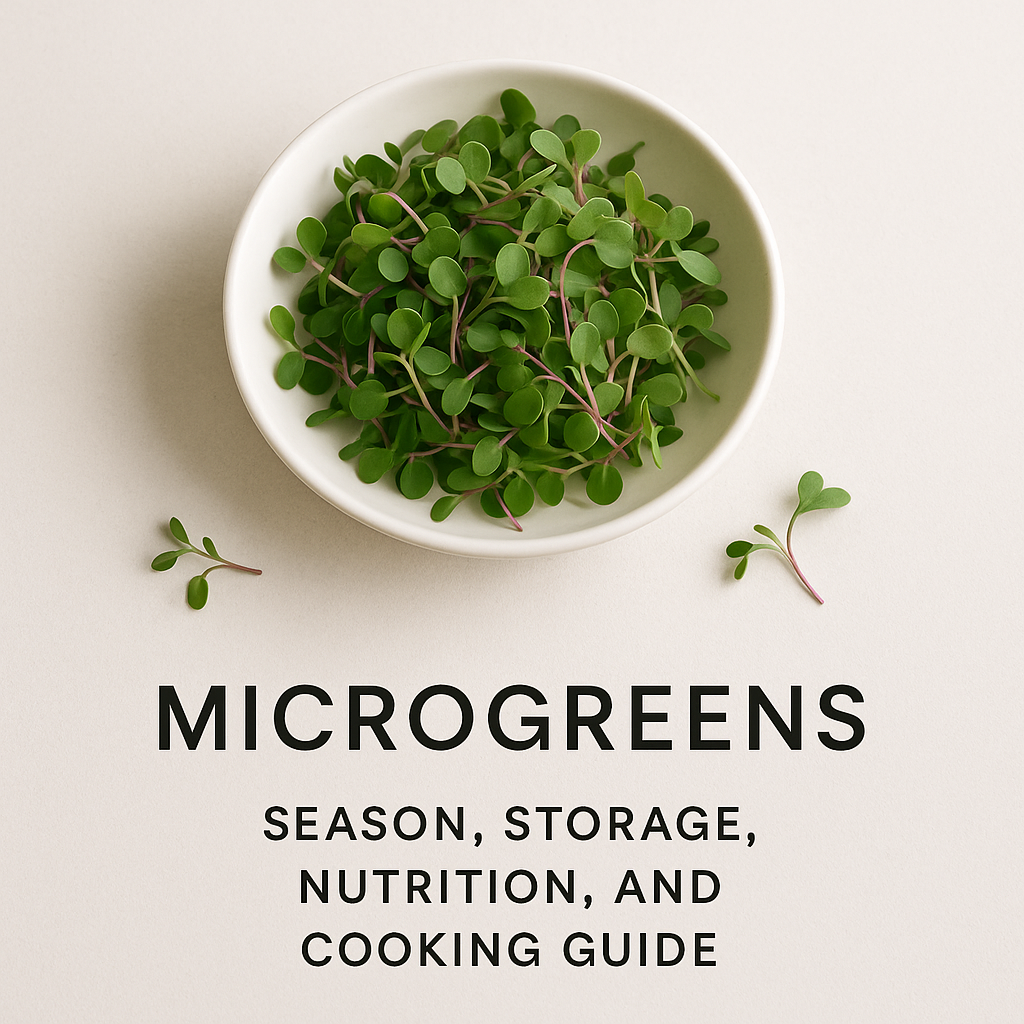
✨ Characteristics
Microgreens are young seedlings of edible vegetables and herbs, usually harvested 7-21 days after germination. What makes them stand out are their vibrant hues, delicate textures, and intense flavors that can range from sweet to spicy to herbaceous.
These greens are generally 1 to 3 inches tall at the time of harvest, with a central stem, cotyledon leaves, and generally one set of true leaves. Despite their small size, microgreens pack a punch, often offering flavors reminiscent of their mature plant counterparts.
💪 Benefits
The benefits of microgreens extend beyond their culinary appeal. As a part of a balanced diet, they provide an array of vitamins, minerals, and antioxidants. Microgreens are commonly richer in nutrients like Vitamin C, Vitamin E, and beta-carotene compared to their mature versions. Due to their nutrient density, they offer great value in a small package, making them a desirable addition to meals focused on nutritional impact.
Moreover, microgreens are easy to grow, even in limited spaces, allowing people to have a personal supply of fresh greens throughout the year. This accessibility not only contributes to health benefits but also encourages sustainable eating practices.
🌍 Origin
Microgreens trace back to the kitchens and gardens of San Francisco in the late 20th century. Initially, they were mostly used by gourmet chefs to add flair to dishes. Over the decades, their popularity surged and they became a familiar sight in supermarkets and restaurants around the world.
Today, microgreens are cultivated globally, with local adaptations reflecting the diversity of flora. This global spread highlights their adaptability and appeal across various cuisines and cultures.
📅 Harvest Season
The beauty of microgreens lies in their adaptability to different growing conditions. While many traditional crops have specific seasons, microgreens can be grown throughout the year with the aid of controlled environments such as indoor gardens or greenhouses.
This perennial availability ensures that consumers can enjoy fresh microgreens regardless of external weather conditions, making them a reliable source of nutrition year-round.
🧺 Varieties
The variety within microgreens is extensive, encompassing numerous plant families. Some of the most popular varieties include basil, cilantro, radish, arugula, broccoli, amaranth, and sunflower. Each type brings its own distinct flavor profile and nutritional benefits.
Some offer notable spiciness, such as mustard greens and radish, while others like basil and cilantro bring aromatic and herbaceous notes. Exploring different varieties allows for a rich palette of flavors and colors to choose from, each enhancing culinary experiences in its own right.
🛒 How to Choose (Checklist)
- Check for Vibrant Color: Healthy microgreens should be bright and lively in color without any signs of yellowing or browning.
- Examine the Texture: Fresh microgreens should feel crisp and moist, indicating their freshness.
- Inspect for Smell: They should have a pleasant aroma characteristic of the plant species, without any sour or rotten smell.
- Avoid Excess Moisture: Avoid packages with excessive moisture as they may harbor mold or lead to quicker spoilage.
- Look for Organic Options: If possible, choose organically grown microgreens to minimize exposure to pesticides and chemicals.
🍽 Cooking & Eating Methods
Microgreens can be utilized in a myriad of culinary applications. They are most commonly used as a raw garnish, adding a burst of color and flavor atop salads, soups, sandwiches, and other dishes.
Incorporating microgreens into smoothies or juices is another popular method, ensuring an extra nutritional boost with minimal effort. When using in cooked dishes, add them at the final stages to retain their nutrients and vibrant appearance.
Experimenting with microgreens can lead to unique dishes, such as using pea shoots in stir-fries or layering sunflower microgreens in wraps. Their versatility in both hot and cold dishes makes them an indispensable part of modern culinary toolkits.
❄ Storage Tips
To maintain their freshness and longevity, proper storage is crucial for microgreens. They should be kept dry and refrigerated, ideally in their original packaging or in a breathable container lined with paper towels to absorb excess moisture.
Avoid washing microgreens until ready to use, as residual moisture can promote spoilage. When stored correctly, most microgreens will maintain their quality for about 5 to 7 days.
❓ FAQ
Q1: Can microgreens be grown at home?
A: Yes, microgreens can be easily grown at home with minimal space and supplies. Many people start with a shallow container, potting soil, and seeds. They require a sunny location, regular watering, and typically harvest within a few weeks.
Q2: Are microgreens safe to eat raw?
A: Absolutely, microgreens are perfectly safe to eat raw and are commonly consumed this way to preserve their nutrients and flavors. It is important to rinse them thoroughly before consumption and source them from reputable suppliers.
Q3: How do microgreens differ from sprouts?
A: While both are young plants, sprouts are germinated seeds typically consumed whole, including roots, and grown in water. Microgreens, on the other hand, are grown in soil and only the stem and leaves are consumed. They also have more developed leaves than sprouts.