🍓 Malabar Spinach: Season, Storage, Nutrition, and Cooking Guide
Malabar spinach, an intriguing leafy green often found in gardens and kitchens, has more to offer than what meets the eye. Despite its name, it has little in common with traditional spinach, except maybe its culinary uses. This article delves into the various characteristics, benefits, and versatile nature of this unique plant. From its origins and varieties to storage and cooking tips, discover the comprehensive guide to Malabar spinach and why it deserves a spot in your kitchen.
✨ Characteristics
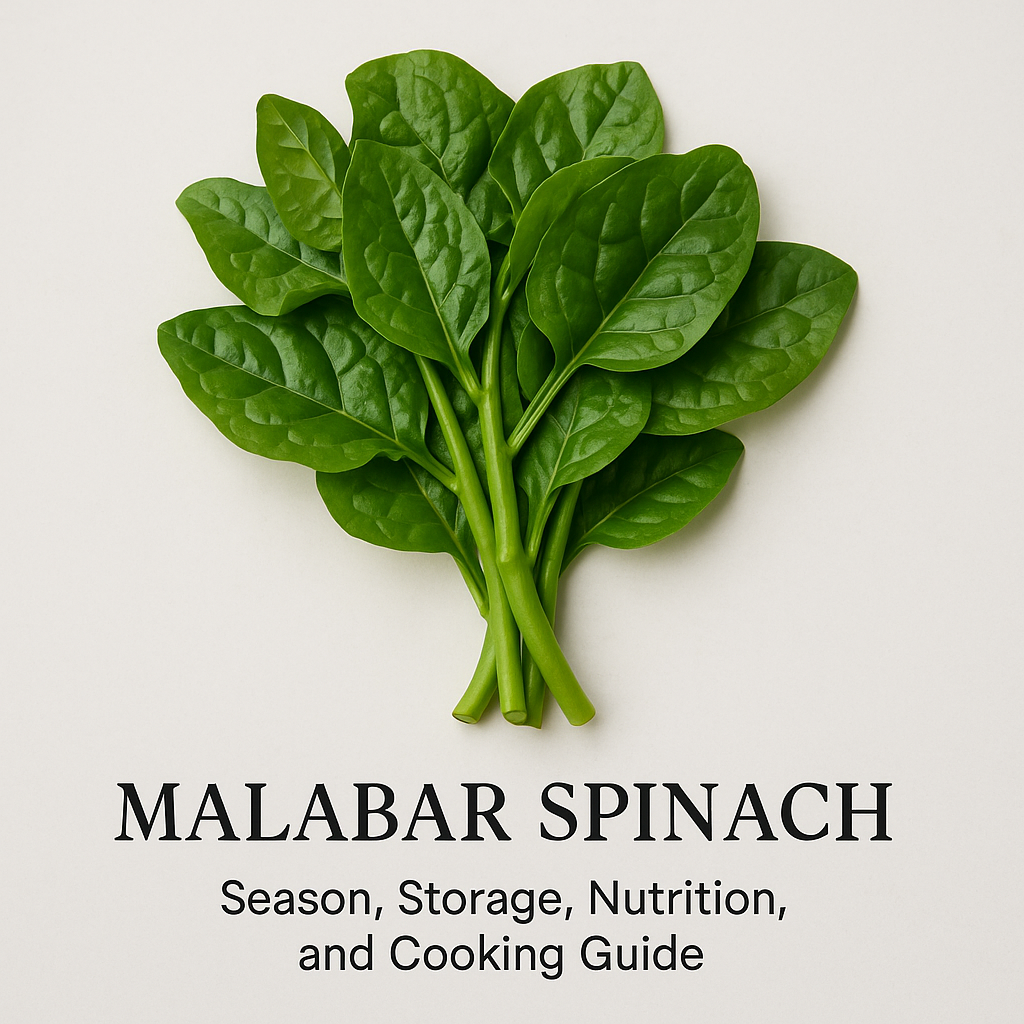
Malabar spinach, scientifically known as Basella alba, is a climbing vine. It's an ornamental plant with vibrant green, succulent leaves and thick reddish or green stems. The plant can grow up to 10 meters in length, making it an aesthetic addition to any garden. The leaves are heart-shaped and more robust than those of regular spinach, and they thrive in warm climates, particularly in tropical regions.
💪 Benefits
Malabar spinach is packed with nutrients and offers several health-promoting benefits. It is an excellent source of vitamins A and C, iron, calcium, and magnesium. Eating this leafy green can contribute to improved eye health due to its high vitamin A content, while the vitamin C acts as a powerful antioxidant. Additionally, its fiber content aids in digestion, helping to maintain a healthy gastrointestinal tract.
🌍 Origin
The origins of Malabar spinach trace back to tropical Asia, making it a staple in many Southeast Asian cuisines. Its name is derived from the Malabar Coast of India, where it grows abundantly. Over time, the plant has been cultivated in various tropical and subtropical regions, including Africa, the Caribbean, and the southern United States. Its adaptability and resilience have made it a favored leafy green in diverse cultures around the globe.
📅 Harvest Season
Malabar spinach thrives in warm temperatures and is primarily grown during the summer months. The plant can produce leaves continuously in tropical climates, but in temperate regions, it is most productive from late spring to early fall. Harvesting typically occurs throughout the growing season as the leaves mature, which encourages further growth and a consistent supply of fresh leaves.
🧺 Varieties
Malabar spinach mainly comes in two varieties: the red-stemmed Basella alba 'Rubra' and the green-stemmed Basella alba 'Green'. The 'Rubra' variety is known for its deep red stems, which add a pop of color to salads and dishes, while the 'Green' variety is more common and features uniform green stems. Both varieties share similar growth patterns and nutritional profiles, allowing for ample culinary exploration regardless of choice.
🛒 How to Choose (Checklist)
- 🔍 Look for bright, vibrant leaves without blemishes or yellowing.
- 🔍 Examine the stems, which should be firm and free of spots.
- 🔍 Check if the leaves are succulent and crisp to ensure freshness.
- 🔍 Smell the leaves; they should have a fresh and mild scent.
- 🔍 Ensure the leaves aren't drooping or wilting, as this can indicate age.
🍽 Cooking & Eating Methods
Malabar spinach is versatile and can be used similarly to traditional spinach, albeit with a slightly more mucilaginous texture. It is popular in stir-fries, soups, and stews, where its leaves add a unique thickening quality. Raw leaves can be used in salads for a gelatinous crunch, while the young vines themselves can be blanched and seasoned for added texture in dishes. When cooking, it is essential to note that Malabar spinach will soften rapidly, so longer cooking times are generally unnecessary.
❄ Storage Tips
Proper storage ensures the longevity and freshness of Malabar spinach. Once harvested or purchased, it should be stored in the refrigerator inside a plastic bag with a few punctures to facilitate slight air circulation. This setup will keep the leaves fresh for up to five days. For longer storage, consider blanching and freezing the leaves, which will maintain their nutritional value while extending shelf life.
❓ FAQ
-
Can Malabar spinach grow indoors?
Yes, Malabar spinach can be grown indoors as long as it is placed in a spot with ample sunlight or under grow lights. It's important to maintain warm temperatures and provide a climbing trellis to support its vine growth.
-
Is Malabar spinach different from regular spinach?
Yes, Malabar spinach is not a true spinach but rather a climber with a unique texture. Its leaves are thicker, and they have a different flavor profile, featuring a soup-like consistency when cooked.
-
Can you eat Malabar spinach flowers or seeds?
While primarily the leaves and tender stems are consumed, the flowers and seeds are also edible. The flowers can be used to add garnish, and seeds can be ground into a powder but are less commonly consumed.