🍓 Lettuce: Season, Storage, Nutrition, and Cooking Guide
Lettuce is a fundamental component of numerous salads and wraps, providing not only a refreshing crunch but also a variety of nutrients. This leafy green is cherished for its versatility, ease of preparation, and role as a low-calorie, high-fiber ingredient in countless cuisines worldwide. Discover everything about lettuce, from its characteristics and benefits to the best methods of storage and preparation.
✨ Characteristics
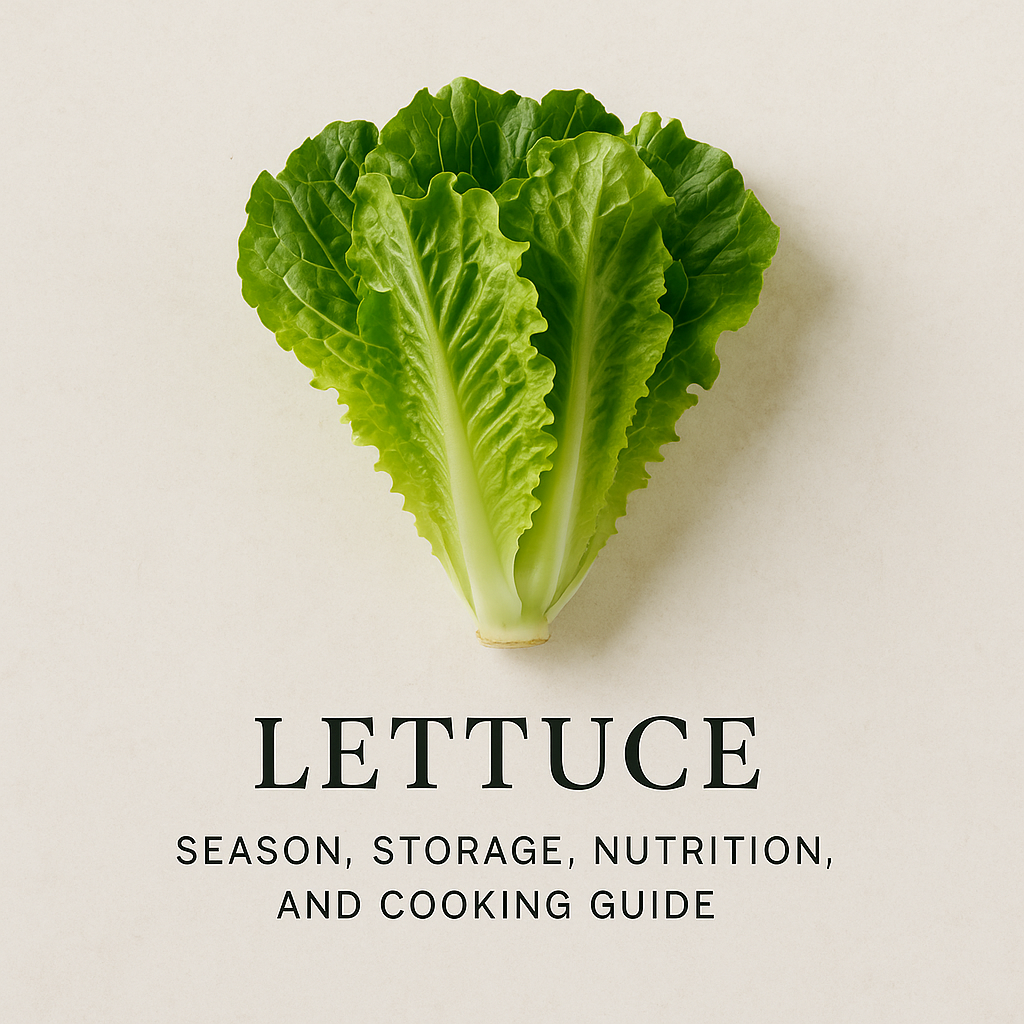
Lettuce belongs to the daisy family, Asteraceae. There are several varieties, each with distinct features. Romaine lettuce, known for its elongated leaves and crisp texture, is a staple in Caesar salads. Iceberg lettuce offers a milder flavor and brilliant crunch, often used in burgers and as a garnish. Butterhead lettuce, including Bibb and Boston, has a soft texture and a sweet, mild taste, making it ideal for delicate salads. Leaf lettuce, with its tender, flavorful leaves, is excellent for sandwiches and wraps.
💪 Benefits
Lettuce is not just about flavor and texture; it also offers several health benefits. It is a low-calorie food that contributes significantly to your fiber intake. Packed with vitamins A and K, lettuce aids in maintaining healthy vision and promotes bone health. The leafy green is also a source of folate, essential for DNA synthesis and repair. While the nutrients vary slightly among different types of lettuce, they generally provide similar health benefits.
🌍 Origin
The origins of lettuce trace back to ancient Egypt, where it was cultivated for its seeds' oil. The cultivation gradually spread to the Greeks and Romans, who began using the leaves as food. Over time, lettuce spread across Europe and later to the Americas. Today, it is a universally grown vegetable, highly regarded in a wide range of culinary traditions worldwide.
📅 Harvest Season
Lettuce thrives in cooler climates and is typically grown in spring and fall when temperatures are most conducive to its growth. However, with modern agriculture and greenhouse technology, lettuce is available year-round in most regions. Growers can manipulate growing conditions, allowing lettuce to flourish even in less than ideal seasons. Nonetheless, for the freshest, most flavorful leaves, sourcing lettuce during its natural peak season is recommended.
🧺 Varieties
The diversity of lettuce varieties allows for an expansive range of tastes and textures. Here are a few popular types:
- Romaine: Known for its crispy texture and elongated leaves, this variety is a staple for Caesar salads.
- Iceberg: Offers a distinct crunch and a mildly sweet flavor. It's commonly used in salads and as a garnish.
- Butterhead: Includes Bibb and Boston types, characterized by their tender leaves and mild, sweet flavor.
- Leaf Lettuce: Available in red and green varieties, leaf lettuce is highly versatile for salads and wraps.
- Cos: Similar to Romaine but often smaller in size and more compact.
🛒 How to Choose (Checklist)
When selecting lettuce, consider the following checklist to ensure freshness and quality:
- Check for vibrant, bright leaves without wilting or browning at the edges.
- Look for crisp, firm leaves that indicate freshness.
- Avoid any heads of lettuce with visible damage or discoloration.
- Ensure that the lettuce has a fresh, mild aroma.
- Opt for organic options if you prefer to avoid potential pesticide residues.
🍽 Cooking & Eating Methods
Lettuce is incredibly versatile in culinary uses and can be served in various forms, cooked or raw. The most common preparation is in salads, where different types of lettuce can provide contrasting textures and flavors. Lettuce can also be grilled, imparting a smoky flavor, or used as a crisp wrap for fillings as a low-carb alternative to tortillas. Additionally, it is a popular garnish for sandwiches and burgers, adding visual appeal and a refreshing crunch. Stir-frying lettuce adds an unexpected twist to traditional recipes, enhancing the dish with its subtle taste and moisture.
❄ Storage Tips
Proper storage is crucial to maintaining the freshness and nutritional value of lettuce. Store the leaves unwashed in an airtight plastic bag or container in the refrigerator's crisper drawer. For added freshness, wrap them in a paper towel to absorb excess moisture. Avoid storing lettuce alongside fruits such as apples and bananas, as they emit ethylene gas, which can accelerate spoilage. It is best to consume lettuce within one week of purchase for optimal quality. If the leaves begin wilting, submerge them in cold water to rejuvenate their crispness before serving.
❓ FAQ
Q1: Can you freeze lettuce?
Freezing lettuce is not recommended as it alters its texture, making it soggy and less crisp upon thawing. Fresh lettuce is ideal for salads, so aim to use it fresh within a week of purchase.
Q2: How can I prevent lettuce from turning brown?
To prevent browning, keep lettuce in a cool, humid environment and avoid cutting it until you're ready to use it. If cut lettuce browns quickly, try adding a touch of lemon juice or storing it with a paper towel to maintain moisture levels.
Q3: Is it necessary to wash pre-packaged lettuce?
Pre-packaged lettuce labeled as "pre-washed" or "ready-to-eat" is generally safe to consume without additional washing. However, if you prefer, a quick rinse in cold water can ensure cleanliness and freshness, especially if you detect any residue or debris.