🍓 Lentil: Season, Storage, Nutrition, and Cooking Guide
Lentils, small yet mighty legumes, are staples in cuisines around the world. Known for their rich nutrient profile, varied types, and versatility in cooking, lentils are a cherished ingredient for many. This guide explores the characteristics, health benefits, origin, varieties, and how to select, store, and cook lentils to maximize their potential in your dishes.
✨ Characteristics
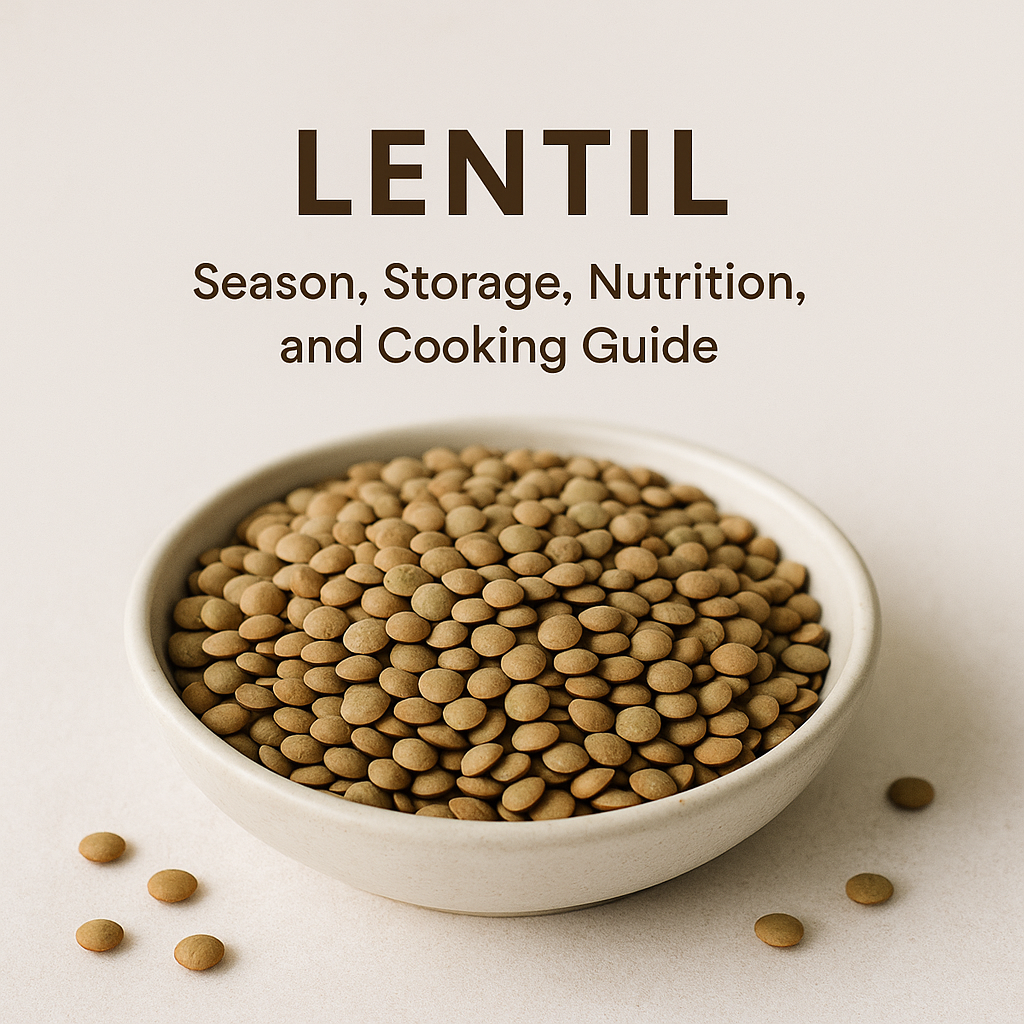
Lentils belong to the legume family, identifiable by their small, lens-shaped seeds. They are generally categorized by color and size, with common varieties including brown, green, red, yellow, and black lentils. The texture of lentils can vary significantly, with some maintaining a firm shape after cooking, while others become soft and smooth, perfect for purees and soups.
The taste of lentils is often described as earthy and nutty, making them a versatile ingredient that can be used in a range of dishes from soups and stews to salads and side dishes. Their ability to absorb flavors makes them an excellent base for seasonings and spices in various cuisines.
💪 Benefits
Lentils are celebrated for their nutritional benefits. They are incredibly high in protein, making them an excellent meat alternative for vegetarians and vegans. They also contain significant amounts of dietary fiber, which supports digestion and promotes regularity.
Rich in essential vitamins and minerals such as folate, iron, phosphorus, and manganese, lentils contribute to overall health and well-being. The presence of antioxidants in lentils also supports cellular health and helps combat oxidative stress.
Incorporating lentils into your diet can aid in weight management due to their high protein and fiber content, which promote satiety and reduce unnecessary snacking. Their low glycemic index also makes them beneficial for maintaining stable blood sugar levels.
🌍 Origin
Lentils have been cultivated for thousands of years and are believed to have originated in the Near East. They have been mentioned in ancient texts and have been found in archaeological sites dating back to the Stone Age. Today, lentils are grown in many regions worldwide, with major producers including Canada, India, Turkey, and the United States.
Over centuries, lentils have become a diet staple in many parts of the world, prominently featured in Mediterranean, Indian, and Middle Eastern cuisines. Their enduring popularity attests to their nutritional value, versatility, and ease of cultivation.
📅 Harvest Season
Lentil plants are typically planted in early spring when the risk of frost has passed. The growing season ranges from 80 to 110 days, depending on the type and local climatic conditions. Lentils are usually harvested in the late summer or early autumn.
The season of availability can slightly vary based on location and climate, with growing periods adjusted in different regions to maximize yield. The dried seeds are harvested when the pods turn brown and the seeds rattle within them, indicating that they have fully matured.
🧺 Varieties
Some of the most common varieties of lentils include:
- Brown Lentils: The most widely available lentil, ideal for soups and stews due to their firm texture that holds well together.
- Green Lentils: These lentils have a slight peppery flavor and are often used in salads. They generally maintain their shape during cooking.
- Red and Yellow Lentils: More delicate than other varieties, they cook quickly and dissolve into a puree, perfect for dahl and curries.
- Black Beluga Lentils: Tiny and dark, resembling caviar, they are best used in salads and side dishes due to their rich, earthy flavor.
- French Puy Lentils: Known for their superior texture, they are perfect for gourmet salads as they hold their shape well.
🛒 How to Choose (Checklist)
When selecting lentils from the store, consider the following checklist to ensure you purchase a quality product:
- Check the expiration date to ensure freshness.
- Opt for lentils in sealed, airtight packaging to prevent contamination.
- Inspect the appearance; lentils should be intact and uniform in color.
- Avoid bags with debris, dirt, or moisture that may indicate poor quality.
- Consider buying organic lentils for a pesticide-free option.
🍽 Cooking & Eating Methods
Cooking lentils is straightforward and does not require pre-soaking, unlike other legumes. Under a steady flame, most lentils cook within 15 to 30 minutes. It's advisable to rinse them before cooking to remove any impurities and improve flavor.
Here's a simple step-by-step guide to cooking lentils:
- Rinse the lentils under cold water to remove any loose dirt or debris.
- Use a ratio of three parts water or broth to one part lentils.
- Bring the liquid to a boil, then reduce to a simmer.
- Cook uncovered until lentils are tender, stirring occasionally.
- Incorporate flavor by adding herbs, spices, and seasonings such as bay leaves, garlic, or cumin.
Lentils can be enjoyed in a variety of dishes including soups, stews, salads, and casseroles. They can also be mashed to make patties or blended into dips like hummus for a protein boost.
❄ Storage Tips
Proper storage of lentils is essential to extend their shelf life and preserve quality. Store dry lentils in an airtight container in a cool, dry place, away from direct sunlight. This will keep them fresh for up to a year.
Once cooked, lentils should be refrigerated and consumed within five to seven days. They can also be frozen in airtight containers or freezer bags for up to six months, making them perfect for meal prep and bulk cooking.
❓ FAQ
What is the best way to cook lentils?
The best way to cook lentils is to rinse them thoroughly, use a proper water-to-lentil ratio (typically 3:1), and simmer them until tender. Adding herbs and spices can enhance their flavor for various dishes.
Are lentils a good source of protein?
Yes, lentils are an excellent source of plant-based protein, containing approximately 18 grams per cup when cooked. They are particularly valuable for vegetarians and vegans looking to increase protein intake.
Can lentils be eaten raw?
Raw lentils are not recommended for consumption as they contain compounds that can interfere with digestion. Cooking them neutralizes these compounds and makes them safe and more enjoyable to eat.