🍓 Jalapeno: Season, Storage, Nutrition, and Cooking Guide
Welcome to your ultimate guide on jalapenos! Whether you're a culinary enthusiast, nutrition buff, or simply someone interested in enhancing your understanding of this spicy delight, this article will provide valuable insights. Here, you'll explore everything from the harvest seasons to nutrition, how to choose the best ones, and much more.
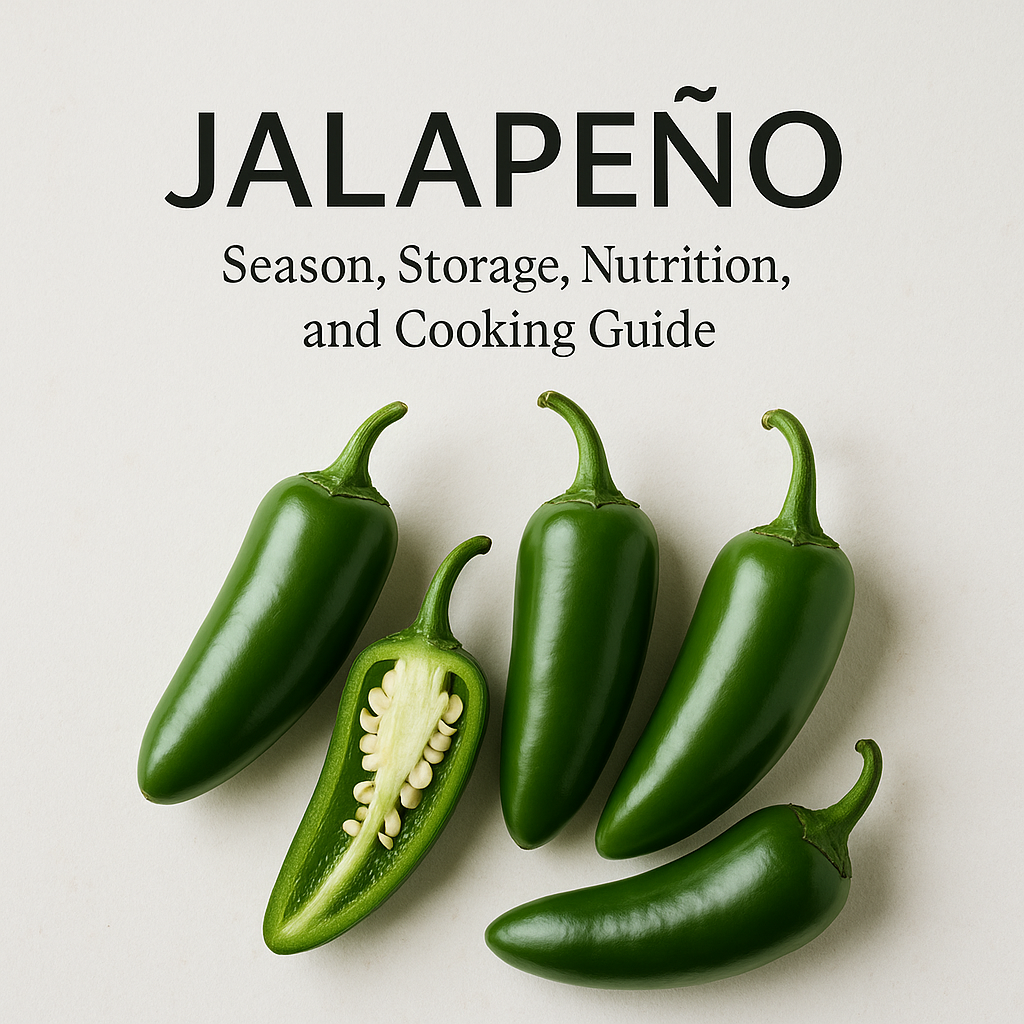
✨ Characteristics
The jalapeno pepper is a small, medium-hot chili pepper cultivar of the species Capsicum annuum. Characterized by its pronounced spice, the jalapeno is often picked and consumed while still green, though it occasionally ripens to a red color. This pepper typically measures about 2 to 3 inches in length and has a thick, fleshy outer skin, making it ideal for stuffing or slicing.
What sets jalapenos apart from other peppers is their heat level, which ranges from 2,500 to 8,000 Scoville heat units. This makes them pleasantly spicy, suitable for many dishes without overwhelming heat levels.
💪 Benefits
Jalapenos are not only a flavorful addition to your meals but are also packed with nutrients and potential benefits:
- Rich in Vitamins: Jalapenos are a good source of vitamins A, C, and K. These essential nutrients are important for maintaining healthy skin, bones, and overall immune system function.
- Antioxidant Properties: The presence of antioxidant compounds helps in neutralizing harmful free radicals in the body, potentially lowering the risk of chronic diseases.
- Boosts Metabolism: Capsaicin, the compound responsible for the fiery sensation in jalapenos, has been found to boost metabolism and aid in fat burning, making it a popular ingredient for weight management diets.
🌍 Origin
The jalapeno originated in Mexico, where it has been cultivated and celebrated for centuries. Its name is derived from the town of Xalapa, capital of the Mexican state of Veracruz, where it was traditionally grown. Throughout history, the jalapeno has held cultural and culinary significance, becoming a staple in various regional dishes across Mexico and the broader Latin American region.
Today, jalapenos enjoy international acclaim and are cultivated in various warm climates around the world, including the United States, Spain, and parts of South America.
📅 Harvest Season
The optimal season for harvesting jalapenos is typically from late summer to early fall. However, in regions with milder climates or controlled greenhouse environments, jalapenos can be grown and harvested year-round.
The key sign of maturity for jalapenos is their color change from a deep, vibrant green to a slightly darker shade, often with streaks of red. This indicates that the pepper is at its peak flavor and ready for picking.
🧺 Varieties
While the standard jalapeno is well-known, several varieties exist that cater to different tastes and culinary needs:
- Early Jalapeno: A variety that matures faster than standard jalapenos, making it ideal for shorter growing seasons.
- Jalaro: This variety adds a splash of color to your dishes as it ripens to a vibrant orange, red, or purple.
- Jalafuego: Known for its heat, this variety has particularly large pods and is sought after for those who love extra spice.
- Jaloro: A unique variety that ripens to an eye-catching yellow, bringing a milder flavor and colorful appeal.
🛒 How to Choose (Checklist)
When selecting jalapenos at the store or market, it's essential to ensure freshness and quality. Here’s a handy checklist to help you pick the best jalapenos:
- ✅ Look for bright, glossy, and firm skin without blemishes or soft spots.
- ✅ Choose peppers with a uniform color; a few streaks of red indicate full ripeness and slightly more sweetness.
- ✅ Avoid peppers that appear shriveled or have excessive wrinkles.
- ✅ Inspect the stem for freshness; it should be green and robust, not dry or brittle.
🍽 Cooking & Eating Methods
Jalapenos are incredibly versatile and can be used in a variety of dishes to add heat and flavor:
- Slicing: Add sliced jalapenos to sandwiches, tacos, or salads for a spicy bite.
- Stuffing: Stuff jalapenos with cheese or meat mixtures and bake for a delectable appetizer.
- Pickling: Preserve jalapenos by pickling them in vinegar, creating a tangy addition to nachos, burgers, or hot dogs.
- Roasting: Enhance the sweetness and depth of flavor by roasting jalapenos on a grill or in the oven before incorporating them into salsas or dips.
Ensure that you remove the seeds and membranes if you wish to reduce the heat factor when preparing jalapenos.
❄ Storage Tips
Proper storage of jalapenos will extend their freshness and usability:
- Store freshly picked jalapenos in a plastic bag in the refrigerator, where they can last up to two weeks.
- If you have an excess supply of jalapenos, consider freezing them. Simply wash, dry, and chop the peppers before placing them in an airtight container or freezer bag.
- Pickling jalapenos is another excellent preservation method, allowing you to enjoy their flavor for several months.
❓ FAQ (3 questions)
Q1: Are jalapenos safe to eat raw?
A: Yes, jalapenos can be eaten raw as long as they are cleaned properly. They make a crunchy and spicy addition to salads and other dishes.
Q2: How do I reduce the heat of jalapenos?
A: To lessen the spice level, remove the seeds and inner membranes, which contain the highest concentration of capsaicin, the compound responsible for the heat.
Q3: Can I grow jalapenos at home?
A: Absolutely! Jalapenos can be grown in containers or gardens with adequate sunlight and water. They thrive in warmer climates and can be a rewarding addition to your vegetable garden.