🍓 Green Bean: Season, Storage, Nutrition, and Cooking Guide
Green beans, also known as string beans or snap beans, are a universal favorite due to their crisp texture and versatility in cooking. This guide aims to explore the characteristics, benefits, origin, and much more about this nutritious vegetable, providing you with everything you need to enjoy them in your meals.
✨ Characteristics
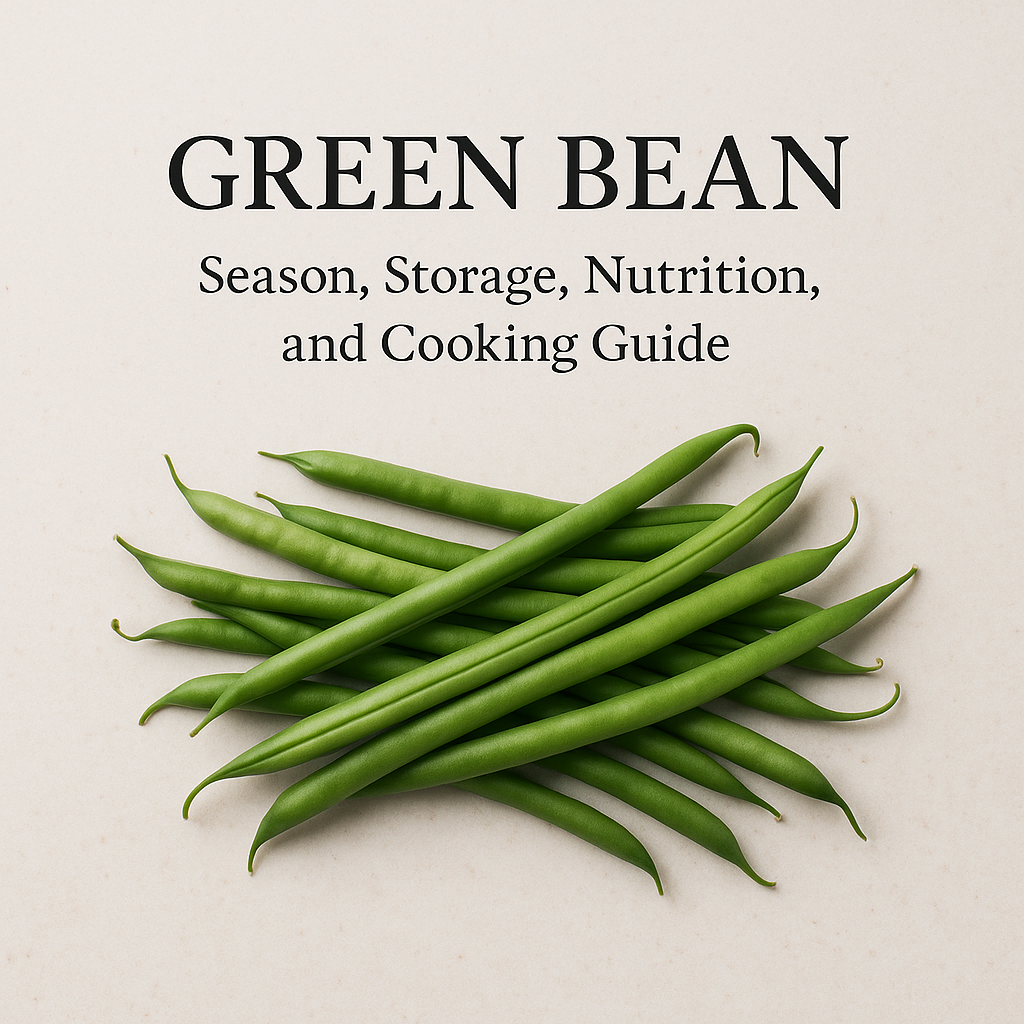
Green beans are slender, elongated vegetables known for their crunchy texture and vibrant green hue. These beans are eaten along with their pod and seeds, making them a popular choice in various cuisines worldwide. Their mild flavor makes them adaptable to numerous dishes, from salads to soups and stir-fries.
💪 Benefits
Green beans are more than just a delicious addition to your diet; they're also a powerhouse of nutrients. They are low in calories and contain no saturated fats, making them an ideal choice for those watching their weight. Green beans are rich in dietary fiber, which supports digestive health. They provide a wealth of vitamins, such as Vitamin C, folate, and Vitamin K, along with essential minerals like iron, calcium, and magnesium. This vegetable is also packed with antioxidants that aid in reducing oxidative stress in the body, contributing to overall health and well-being.
🌍 Origin
The green bean is believed to have originated in Central and South America. These nutritious beans were first cultivated thousands of years ago and have since spread across the globe. Today, green beans are grown in many regions, from the tropical climates of Latin America to temperate zones worldwide, making them an accessible and widely enjoyed vegetable.
📅 Harvest Season
The best time to harvest green beans depends on the climate of the area in which they are grown. In general, green beans peak during the summer months. However, thanks to advances in agricultural practices and greenhouses, they can often be found fresh in grocery stores year-round. It's during the summer that you are most likely to find fresh, locally grown varieties bursting with flavor and nutrients.
🧺 Varieties
There are several varieties of green beans, each with its unique characteristics. Common types include:
- Provider: Known for its early maturity, Provider is a popular choice for its high yield and excellent disease resistance. It produces straight, crisp pods with a classic green bean flavor.
- Contender: Another early variety, Contender, is praised for its adaptability to different climates. It has stringless pods perfect for fresh eating or preserving.
- Blue Lake: This classic heirloom variety is renowned for its tender texture and sweet taste. Blue Lake beans are suitable for both professional and home gardeners.
- French Filet: These beans, known as haricots verts, are slimmer and more delicate than traditional varieties. They are often used in gourmet salads and side dishes.
🛒 How to Choose (Checklist)
When selecting green beans at the market, ensure their quality and freshness with the following checklist:
- Color: Look for vibrant green beans with a consistent shade. Avoid any beans with browning or wilting.
- Texture: Choose beans that are firm and snap easily when bent. Limp or flexible beans may have lost some freshness.
- Size: Opt for medium-sized beans, as overly large beans may be tough and stringy.
- Appearance: The surface should be smooth and free of blemishes. Check for signs of mold or damage.
🍽 Cooking & Eating Methods
Green beans are incredibly versatile and can be prepared in many ways. Some popular cooking methods include:
- Steaming: This method retains most of the beans' nutrients and bright color. Steam them for a few minutes until they are tender-crisp.
- Boiling: Briefly boiling green beans in salted water helps retain their color and flavor. They're ready when they're vibrant green and tender, which usually takes about 4-5 minutes.
- Sautéing: Toss them in a pan with a little olive oil and your choice of seasonings for a quick and flavorful side dish.
- Roasting: For a deeper flavor, toss green beans with olive oil, salt, and pepper, and roast them in the oven until they are slightly charred and crispy.
- Raw: Fresh green beans can be enjoyed raw in salads or with dips for a refreshing snack.
Pair green beans with nuts, garlic, and lemon for an added flavor boost, or include them in a medley of roasted vegetables for a balanced meal.
❄ Storage Tips
To keep green beans fresh and nutritious, proper storage is essential. Here are some tips to maintain their quality:
- Store unwashed green beans in a plastic bag or container in the refrigerator's crisper drawer. This helps maintain humidity and prevent them from drying out.
- Use fresh green beans within a week for the best flavor and texture.
- If you have more beans than you can use, they freeze well. Blanch them briefly in boiling water, cool them rapidly in ice water, then pack them in airtight containers or freezer bags. Frozen green beans can be stored for up to 12 months.
❓ FAQ
How can I tell if green beans have gone bad?
If green beans have become limp, slimy, or have an off-smell, they are likely past their prime and should be discarded. Also, mold growth is a clear indication they are not suitable for consumption.
Can I eat the seeds of green beans?
Yes, green bean seeds are edible and contain additional fiber and nutrients. The entire pod, including the seeds, is typically eaten.
Are canned green beans as nutritious as fresh ones?
Canned green beans retain many of their nutrients but may have added sodium. To reduce sodium intake, opt for low-sodium varieties or rinse them before use. Whenever possible, choose fresh or frozen green beans for the highest nutritional value.