🍓 Fennel: Season, Storage, Nutrition, and Cooking Guide
Fennel is a versatile and flavorful herb that has been cherished for its culinary and aromatic properties for centuries. This guide aims to provide comprehensive information on fennel, delving into its characteristics, health benefits, origins, varieties, and ways to properly store and cook this remarkable plant. Whether you're a seasoned cook or an enthusiastic food lover, understanding fennel’s nuances will enrich your culinary experiences.
✨ Characteristics
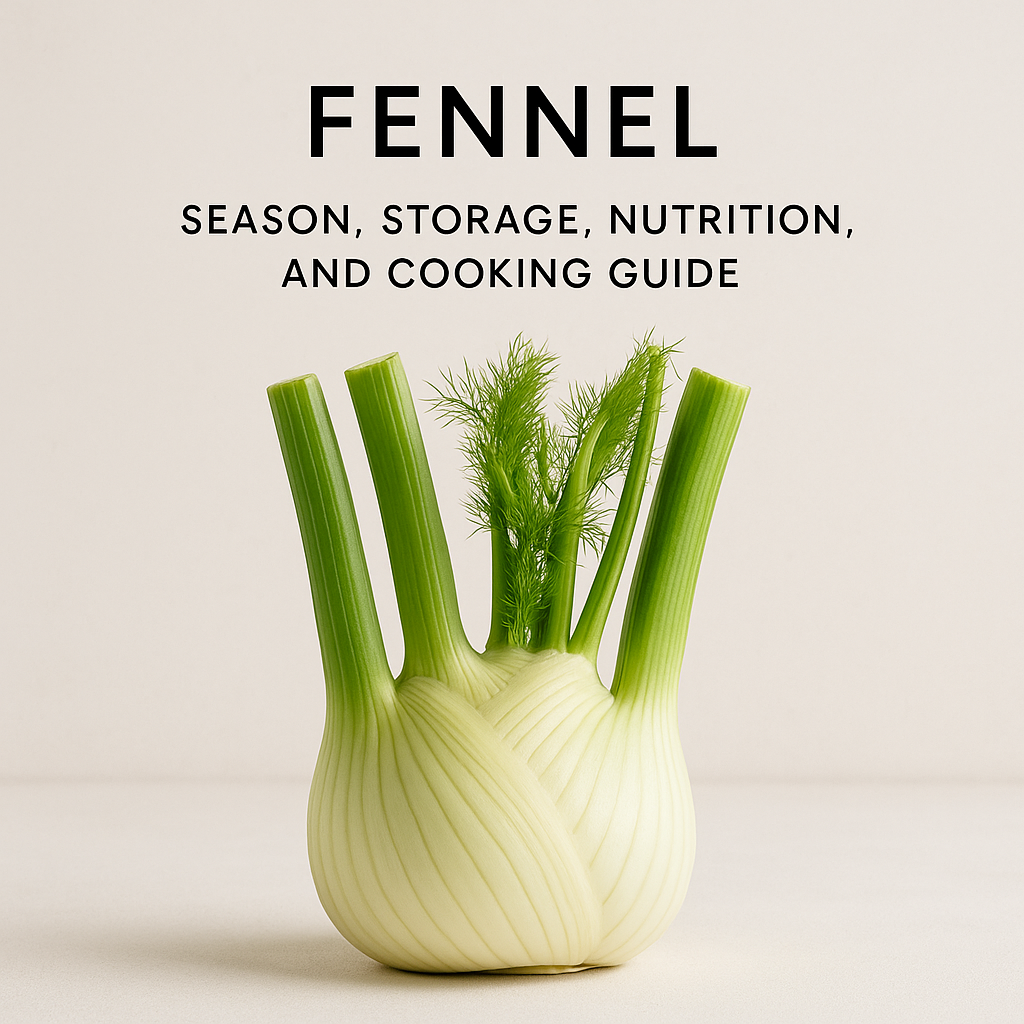
Fennel, scientifically known as Foeniculum vulgare, is part of the carrot family. It consists of a white bulb, feathery green fronds, and seeds, each offering unique flavor profiles and uses. The bulb is refreshing and crisp with a subtle anise-like flavor, suitable for salads and roasts. The fronds are herbaceous and make excellent garnishes, while the seeds have a stronger licorice taste, perfect for seasoning dishes or making tea.
💪 Benefits
Fennel is rich in nutrients, making it a beneficial addition to a balanced diet. It is an excellent source of vitamin C, potassium, and dietary fiber while being low in calories. The plant compounds in fennel may support digestive health, contribute to heart health by regulating blood pressure, and bolster immune function. Incorporating fennel into your meals can enhance nutritional variety and flavor balance.
🌍 Origin
Fennel's history is deeply rooted in the Mediterranean region, where it grows wild and is cultivated extensively. Its use dates back to ancient civilizations, including the Egyptians, Greeks, and Romans, who valued the plant for its culinary and medicinal properties. Today, fennel is grown worldwide, with notable cultivation in the United States, India, and parts of Europe.
📅 Harvest Season
Fennel typically reaches its peak during the fall and winter months, although the exact timing can vary depending on the local climate. In regions with milder climates, fennel may be available year-round. The bulb is usually harvested when it is firm and plump with a pale green color, whereas the seeds are collected after the flowering period when they become dry and brown.
🧺 Varieties
There are several varieties of fennel, each with distinct traits suited to different culinary applications. Common varieties include:
- Florence Fennel: Known for its large, edible bulb, Florence fennel is prized in many cuisines for its crunchy texture and sweet flavor.
- Sweet Fennel: Typically grown for its seeds rather than its bulb, sweet fennel is often used in spice blends and seasonings.
- Bronze Fennel: Distinguished by its ornamental bronze fronds, this variety is mainly used for decorative purposes and as a flavor enhancer in culinary dishes.
🛒 How to Choose (Checklist)
When selecting fennel, keep these key points in mind to ensure freshness and quality:
- Look for bulbs that are firm, heavy for their size, and free of blemishes or soft spots.
- The stalks and fronds should be vibrant green, not wilted or browning.
- For fennel seeds, choose those that are whole, pale green, and fragrant.
🍽 Cooking & Eating Methods
Fennel’s distinct flavor and texture make it a versatile ingredient in a variety of dishes. Here are some popular cooking methods:
- Salads: Thinly sliced raw fennel adds a crunchy and refreshing element to salads.
- Roasting: Roasting fennel brings out its sweetness and softens its texture, perfect as a side dish or incorporated into main courses.
- Grilling: Grilled fennel complements the smoky flavors of meats and other grilled vegetables.
- Sautéing: Use fennel as a base for soups and stews, where its flavors meld with other ingredients.
- Tea: Fennel seeds can be brewed into a comforting tea, often enjoyed for its soothing properties.
❄ Storage Tips
Proper storage is essential to maintain fennel's freshness and flavor:
- Refrigerate fresh fennel bulbs in a plastic bag for up to a week to preserve their crisp texture.
- The fronds can be stored separately, wrapped in a damp paper towel, and kept in the refrigerator for a few days.
- Fennel seeds should be stored in an airtight container in a cool, dark place, where they can stay fresh for up to six months.
❓ FAQ
Q1: Is it necessary to peel fennel before eating?
A: No, it’s not necessary to peel fennel. Simply wash the bulb thoroughly and trim off any tough outer layers if needed. The entire bulb, stalks, and fronds are edible.
Q2: Can fennel be used in sweet dishes?
A: Yes, fennel's natural sweetness makes it a good fit for certain desserts, such as those with citrus or apple. Its seeds can also add an intriguing flavor to baked goods.
Q3: Is fennel suitable for those following a vegan diet?
A: Absolutely! Fennel is a plant-based ingredient rich in nutrients and flavor, offering variety and nutrition to vegan and vegetarian meals.