🍓 Fava Bean: Season, Storage, Nutrition, and Cooking Guide
Fava beans, known for their delightful nutty flavor and nutritional profile, have been cultivated for centuries. With a rich history and versatility in cooking, they remain a staple in kitchens worldwide. This comprehensive guide explores their characteristics, benefits, origin, and more.
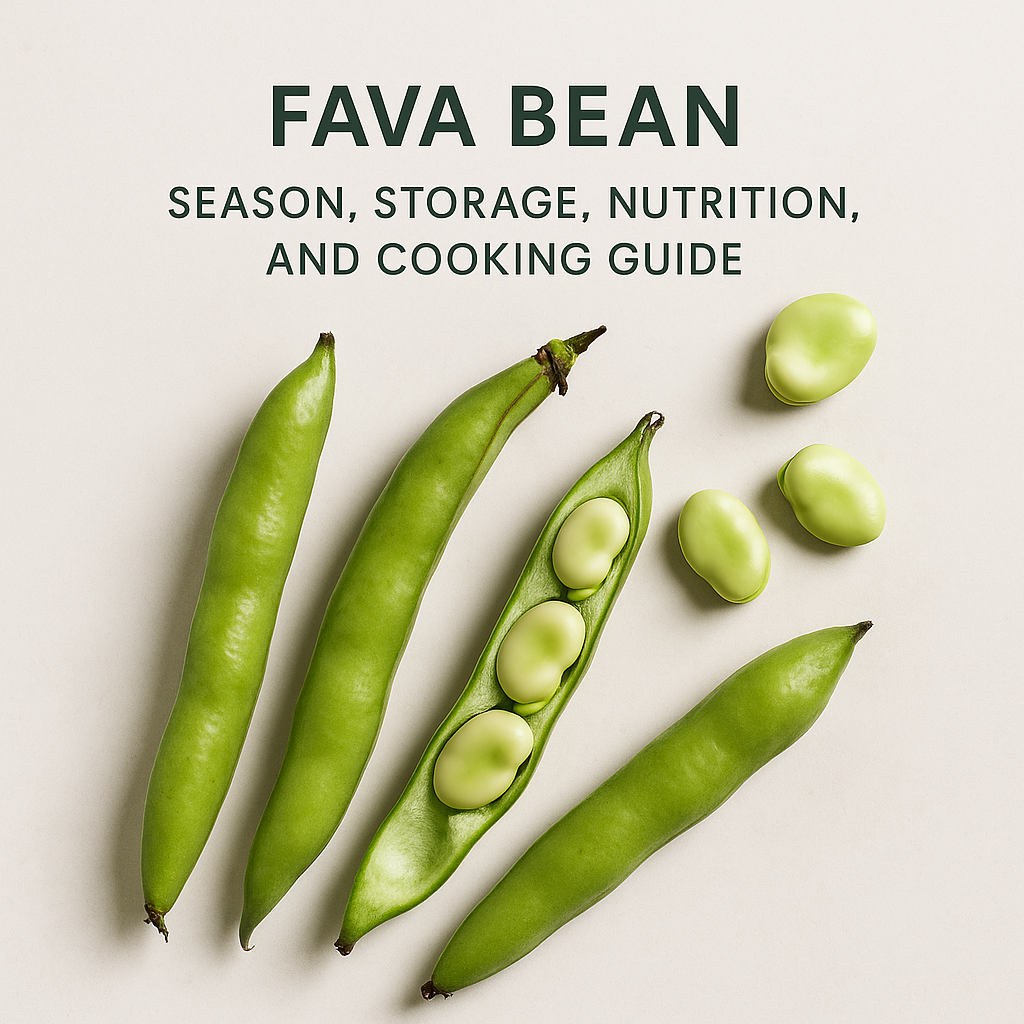
✨ Characteristics
Fava beans, also known as broad beans, are large, flat, and light green. Encapsulated within sturdy green pods, they belong to the legume family and are known for their unique, slightly sweet and earthy taste. Fava beans can be eaten raw, boiled, steamed, or dried, lending themselves as a versatile ingredient in various cuisines.
💪 Benefits
Rich in protein, fiber, and essential vitamins and minerals, fava beans are a powerhouse of nutrition. They are particularly high in folate, iron, and manganese. Here are several benefits of including fava beans in your diet:
- High Protein Content: Excellent plant-based protein source suitable for vegetarians and vegans.
- Rich in Fiber: Aids in digestive health and helps in maintaining a healthy weight.
- Heart Health: The presence of potassium and magnesium supports cardiovascular health.
- Energy Production: B vitamins in fava beans aid in energy metabolism.
🌍 Origin
Historical records show that fava beans have been cultivated for over 6,000 years, with origins tracing back to the Mediterranean region and Southwest Asia. Their cultivation spread throughout Europe, the Middle East, and now, they are grown in various parts of the world.
📅 Harvest Season
Fava beans flourish in cool weather conditions. Typically, they are sown in the fall and harvested in spring to early summer. Depending on the region, the primary harvest season falls between April and July. These beans prefer a cooler climate and are amongst the first vegetables to be harvested each spring.
🧺 Varieties
There are several varieties of fava beans, each with distinct characteristics. Some of the popular types include:
- Aquadulce: A favored variety due to its early maturity and large seeds.
- Windsor: Known for their excellent flavor and typically used in traditional dishes.
- Negreta: Popular for their compact size and sweeter taste.
🛒 How to Choose (Checklist)
When selecting fava beans, ensure they are fresh and flavorful with the following checklist:
- Choose pods that are bright green without any yellowing or browning.
- Opt for beans with a smooth, unwrinkled surface.
- Ensure the pods are full and plump, avoiding those with visible bulges or blemishes.
- When buying shelled beans, go for those that have a vibrant green color.
🍽 Cooking & Eating Methods
Fava beans can be enjoyed in numerous ways, each enhancing their delightful earthy flavor:
- Raw: Shelled and peeled beans can be added to salads for a fresh flavor.
- Boiled or Steamed: Popular methods that can enhance their taste while retaining nutrients.
- Dried: Often dried for long-term storage and used in soups and stews.
- Sautéed: Combine with other vegetables or meats in a stir-fry for a delicious dish.
❄ Storage Tips
Proper storage of fava beans ensures they remain fresh and maintain their quality:
- Keep fresh fava beans in their pods in a breathable bag in the refrigerator for up to a week.
- If shelled, store the beans in an airtight container and refrigerate for 2-3 days.
- To freeze, blanch the shelled beans in boiling water for 2 minutes, cool them promptly in ice water, dry, and then store in airtight containers or freezer bags.
❓ FAQ (3 questions)
- Can I eat fava beans raw?
Yes, shelled and peeled fava beans can be consumed raw for a fresh taste, especially when young and tender. - Are fava beans suitable for all diets?
While they are nutritious and fit most diets, those with G6PD deficiency should avoid consuming fava beans. - What should I do if my fava beans taste bitter?
Bitter taste is often due to undercooking or using older beans. Try cooking them thoroughly or selecting fresher beans.