🍓 Escarole: Season, Storage, Nutrition, and Cooking Guide
Escarole, a leafy green member of the chicory family, has been cherished by chefs and home cooks alike for its versatility and slightly bitter flavor. Whether you are new to escarole or already a fan, this guide will provide comprehensive insights into its characteristics, benefits, varieties, and more.
✨ Characteristics
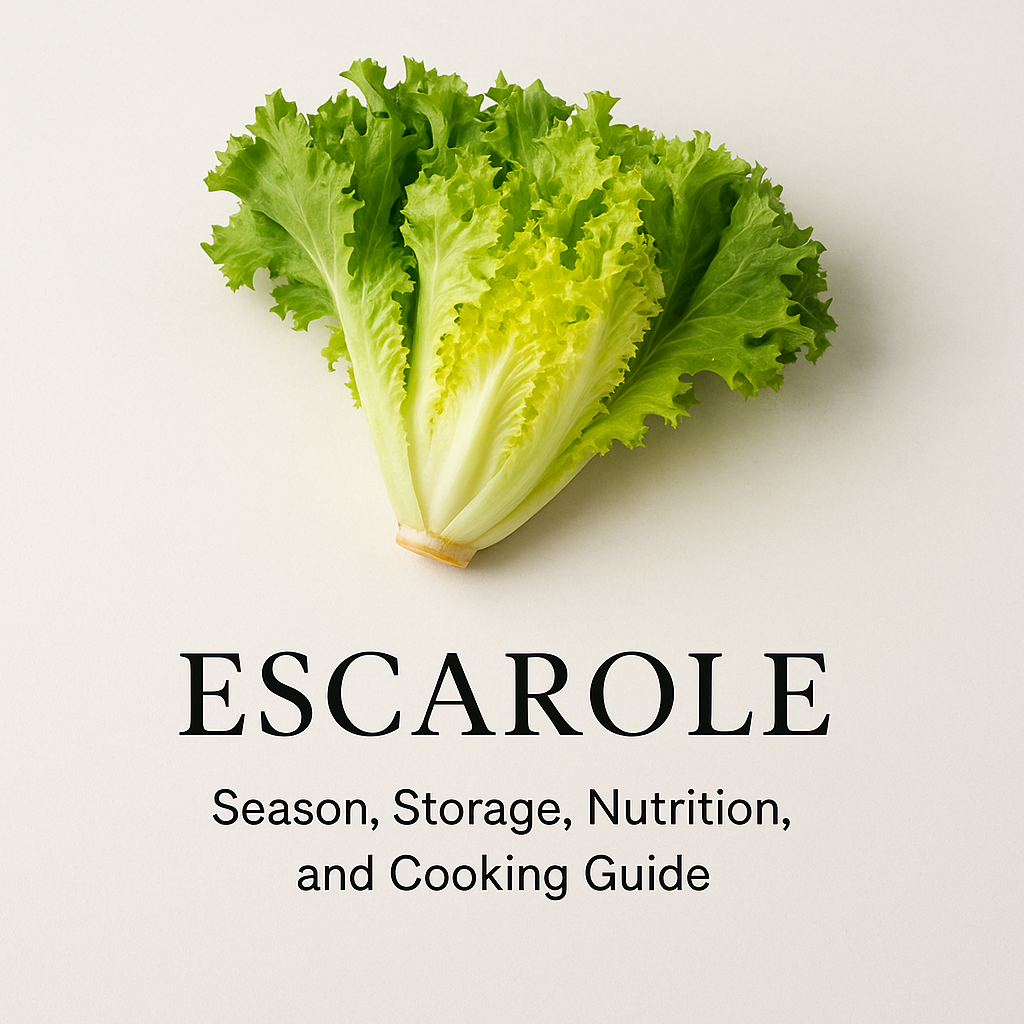
Escarole is a leafy green vegetable belonging to the chicory family, which also includes endive, radicchio, and frisée. It features broad, curly-edged leaves and a slightly bitter taste that mellows when cooked. The outer leaves of escarole are typically darker green and more robust in flavor, while the inner leaves are lighter and milder.
This vegetable can be consumed raw or cooked, making it a versatile addition to salads, soups, and sautés. Its crisp texture and distinctive taste provide a delightful contrast in dishes, making it a favorite among chefs worldwide.
💪 Benefits
Incorporating escarole into your diet can offer a range of nutritional benefits. It is low in calories yet rich in vitamins and minerals. Some of the notable nutrients found in escarole include:
- Vitamin A: Essential for healthy vision, immunity, and cell growth.
- Vitamin K: Plays a crucial role in blood clotting and bone health.
- Folate: Important for DNA synthesis and repair, and vital during pregnancy.
- Fiber: Promotes digestive health and may help maintain healthy blood sugar levels.
There's more to escarole than just its nutrient content. The fiber content can contribute to a feeling of fullness, aiding in weight management. Its slightly bitter flavor is known to stimulate digestion and enhance appetite.
🌍 Origin
Escarole originated in the Mediterranean region, where it has been cultivated for centuries. Its history can be traced back to ancient times when it was valued for both its culinary and medicinal properties. Today, escarole is grown worldwide, with prominent cultivation in parts of Europe, North America, and Australia. Its adaptability to various climates and soils makes it a popular crop among farmers.
📅 Harvest Season
Escarole is typically available throughout the year, but its peak season is during the cooler months. It thrives in mild climates and can withstand frost better than many other leafy greens, making it an excellent choice for fall and winter gardens. The harvesting process involves cutting the entire head at the soil line or picking individual outer leaves as needed, allowing the plant to continue growing.
🧺 Varieties
Escarole comes in several varieties, each with its own unique taste and texture. Understanding these varieties can enhance culinary creativity:
- Broad-leaved Batavian: This common variety is known for its wide, slightly curly leaves and mild flavor.
- Coral: Featuring frilly leaves and a slightly nutty taste, Coral escarole is excellent for salads.
- Bellesque: With tightly packed leaves and a crisp texture, Bellesque is ideal for grilled dishes.
🛒 How to Choose (Checklist)
When selecting escarole at the market, use the following checklist to ensure you pick the best quality:
- Look for crisp, vibrant green leaves without yellowing or wilting.
- Check for uniform color and consistency throughout the bunch.
- Avoid those with brown spots or a slimy texture.
- Smaller heads tend to have a milder taste.
- Heavier bunches indicate freshness and moisture content.
🍽 Cooking & Eating Methods
Escarole's versatility allows it to be incorporated into a wide range of dishes. Here are some popular methods for cooking and consuming escarole:
- Raw: Add chopped escarole to salads for a slightly bitter, refreshing crunch. Pair with a citrusy vinaigrette to balance the flavors.
- Sautéed: Quickly sauté escarole with olive oil, garlic, and a pinch of red pepper flakes for a simple side dish.
- Soups: Add to soups or stews in the last few minutes of cooking to preserve its texture and nutrients.
- Grilled: Toss with olive oil, salt, and pepper before grilling to enhance its natural flavor.
- Baked: Use in casseroles or savory pies as an alternative to spinach or kale.
❄ Storage Tips
Proper storage is essential to maintain the quality of escarole. Follow these tips to keep it fresh:
- Store unwashed escarole in a plastic bag in the refrigerator's crisper drawer.
- To maximize freshness, wrap the bunch in a paper towel to absorb excess moisture.
- Consume within a week for optimal taste and texture.
- Avoid storing near ethylene-producing fruits like apples and bananas, which can hasten spoilage.
❓ FAQ (3 questions)
Q: Can escarole be frozen?
A: Yes, escarole can be frozen, though it may lose some texture and flavor. To freeze, blanch the leaves in boiling water for about two minutes, then transfer to an ice bath. Pat dry, then store in airtight freezer bags for up to six months.
Q: What's the difference between escarole and lettuce?
A: While both are leafy greens, escarole is sturdier and has a more pronounced bitter flavor compared to the generally mild taste of lettuce. Escarole also belongs to the chicory family, unlike lettuce.
Q: Can I substitute escarole with another green?
A: Yes, if you don’t have escarole, you can substitute it with other greens like spinach, kale, or Swiss chard. Keep in mind that substitutes may alter the dish’s flavor slightly.