🍓 Edamame: Season, Storage, Nutrition, and Cooking Guide
Edamame, often touted as a nutritious powerhouse, has captured the interest of health-conscious eaters everywhere. With its tender texture and mild flavor, this young soybean not only serves as a delicious snack but also contributes a multitude of nutrients beneficial to daily well-being. In this comprehensive guide, dive into the world of edamame, exploring its characteristics, benefits, origins, seasonal availability, varieties, purchasing tips, cooking methods, storage, and common inquiries.
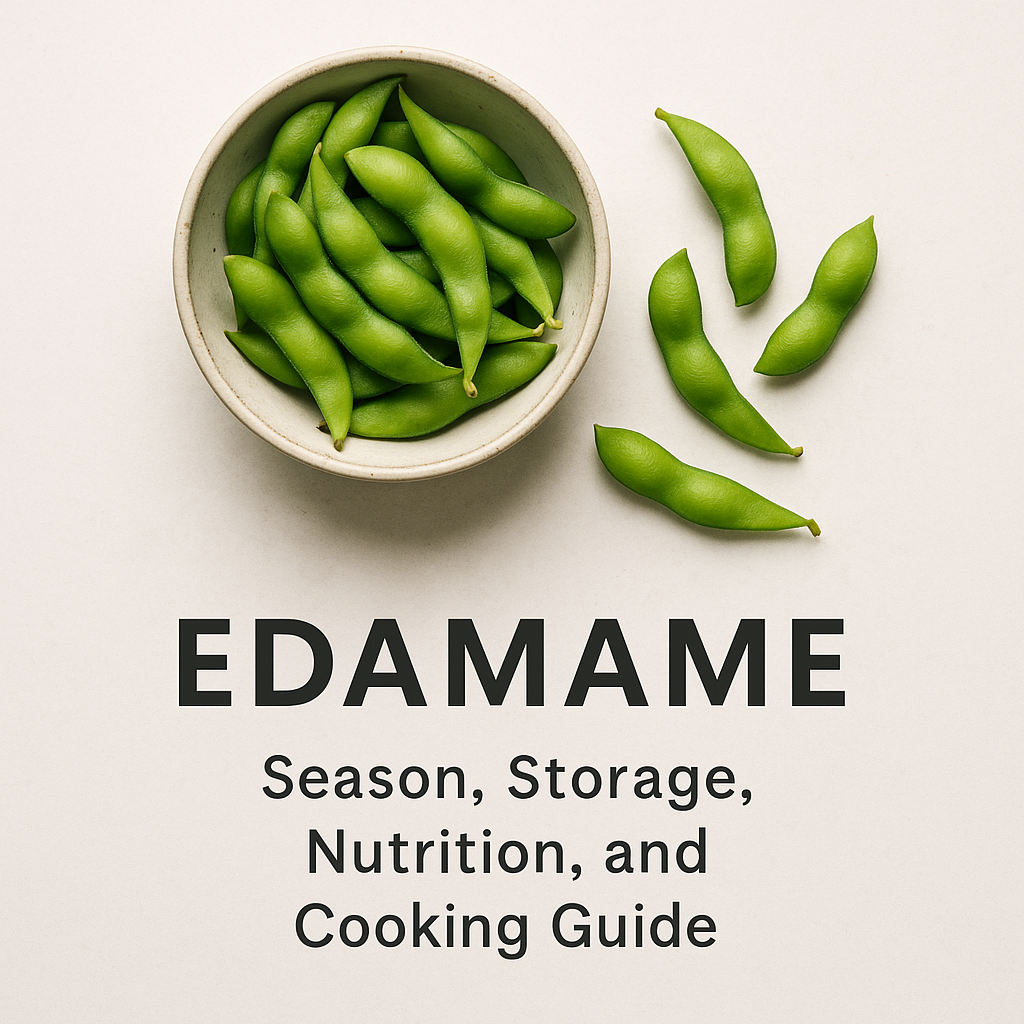
✨ Characteristics
Edamame are young soybeans harvested before they ripen, traditionally served in their pods but also available shelled. Characterized by their vibrant green hue, these legumes are known for their nutty and mildly sweet flavor. When fresh, the pods are firm while the beans inside have a buttery consistency that softens upon boiling or steaming.
Globally growing in popularity, edamame is commonly associated with Japanese cuisine but has its roots widespread across various Asian countries. The beans themselves are protein-packed, offering a balance of essential amino acids, fiber, and omega-3 fatty acids. Despite being non-GMO, nutritious, and versatile in preparation, it's crucial to remember that edamame must be cooked to neutralize any trypsin inhibitors and lectins that can hinder digestion.
💪 Benefits
Edamame comes with an impressive list of health benefits. As a low-calorie, high-protein legume, it forms an excellent meat alternative, especially for vegetarians and vegans. Packed with essential amino acids, edamame contributes to muscle health, repair, and growth. Its high fiber content assists in maintaining digestive health and promoting feelings of satiety, which can be beneficial for weight management.
Furthermore, edamame is a rich source of several vitamins and minerals, including folate, vitamin K, calcium, and magnesium, which support bone health and proper cellular functions. Containing antioxidants like isoflavones, particularly Genistein, edamame may contribute to heart health by improving blood vessel function, though research continues to explore its full impacts. Additionally, the nutrients in edamame may play a role in reducing inflammation and promoting better blood sugar control.
🌍 Origin
The word "edamame" finds its origins in Japan, translating directly to "stem beans," a nod to their traditional market presentation while still attached to their stalks. However, edamame cultivation spans a broad history across Asia, with noted consumption in countries such as China and Korea where it is celebrated for both its taste and nutritional qualities.
Archaeological evidence points to the cultivation of soybeans progressing over several millennia in China, with edamame as we know it today becoming particularly prevalent and beloved within Japanese culinary practices. It wasn't until the late 20th century that edamame began to pique global interest, eventually becoming a staple in health food stores and on restaurant menus worldwide.
📅 Harvest Season
Edamame thrives best in temperate climates and typically enjoys a growing season from May through September in the Northern Hemisphere. The optimal harvest time is usually about 70 to 90 days after planting when the beans are fully developed but still a vibrant green, ensuring maximum nutrient density and flavor.
Farmers often aim to harvest edamame before the beans mature and turn more rigid, thereby maintaining their distinctive tenderness and taste. Depending on the regional climate, it's essential to observe the plants for proper timing, which can slightly vary based on weather conditions and local agricultural practices.
🧺 Varieties
Several edamame varieties exist to cater to different growing conditions and flavor preferences. Popular types include 'Envy,' known for its fast-growing yield, and 'Black Pearl,' which enjoys acclaim for its nutty and creamy flavor. The 'Butterbean' variety is another favored option due to its smooth texture and palatability. Growers may select varieties according to regional climate adaptability and desired harvest timeline.
Although the fundamental taste and nutritional benefits of edamame remain consistent across types, subtle differences in size, color, and flavor can innovate culinary applications and consumer choices. These variations contribute to the richness of edamame's applications in a multitude of international dishes and recipes.
🛒 How to Choose (Checklist)
When selecting edamame, whether fresh or frozen, consider the following checklist to ensure optimal quality:
- Color: Look for bright, vibrant green pods without brown spots, which may indicate over-ripeness or spoilage.
- Texture: Choose firm, plump pods that have a slight snap when bent, indicating freshness.
- Size: Opt for uniform pod sizes for even cooking and consistent texture.
- Scent: Fresh edamame should have a clean, sweet aroma without any off-putting odor.
- Frozen Selection: If buying frozen edamame, ensure the bag is intact with no signs of freezer burn or clumping, suggesting good preservation.
🍽 Cooking & Eating Methods
Cooking edamame is straightforward yet allows for a wealth of culinary variety. Most commonly, edamame is boiled or steamed, often served with a sprinkling of sea salt to enhance its natural flavor. To prepare, simply boil the pods in salted water for about 5-7 minutes, or steam until tender.
Beyond these classic methods, edamame can be incorporated into an array of dishes. Toss shelled edamame into salads for a protein boost, mix into stir-fries, or blend into hummus for a nutritious twist. Some enjoy roasting edamame with spices for a crunchy snack or using it as a plant-based protein in soups, stews, and even breakfast bowls.
❄ Storage Tips
Proper storage is key in extending the shelf life of your edamame, whether fresh or cooked. If purchased fresh, store edamame in a breathable container or perforated bag within the refrigerator's crisper drawer, where it can typically last for about 3 to 5 days.
For a longer preservation period, consider blanching fresh edamame briefly before freezing. Spread blanched beans in a single layer on a baking sheet to freeze, then transfer to a freezer-safe bag or container once solidified. Frozen edamame maintains its nutrient integrity and taste for several months. For cooked edamame, store in an airtight container in the refrigerator and consume within 3 days.
❓ FAQ
-
Is edamame the same as soybeans?
No, edamame is the immature form of the soybean. While both come from the same plant, edamame is harvested earlier and offers a milder, nutty taste compared to mature soybeans.
-
Can edamame be eaten raw?
It's advisable not to eat edamame raw, as uncooked soybeans contain trypsin inhibitors and lectins, which can affect digestion. Always cook edamame before consuming.
-
Are there any allergies associated with edamame?
Yes, edamame is derived from soybeans, a common allergen. Individuals with a soy allergy should avoid edamame and soy-derived products.