🍓 Corn: Season, Storage, Nutrition, and Cooking Guide
Corn, also known as maize, is one of the world's most popular cereal grains. It's a staple in diets across the globe, praised for its versatility, sweet taste, and culinary adaptability. This guide explores the characteristics, benefits, origin, and practical tips for storing, selecting, and savoring corn in your culinary adventures.
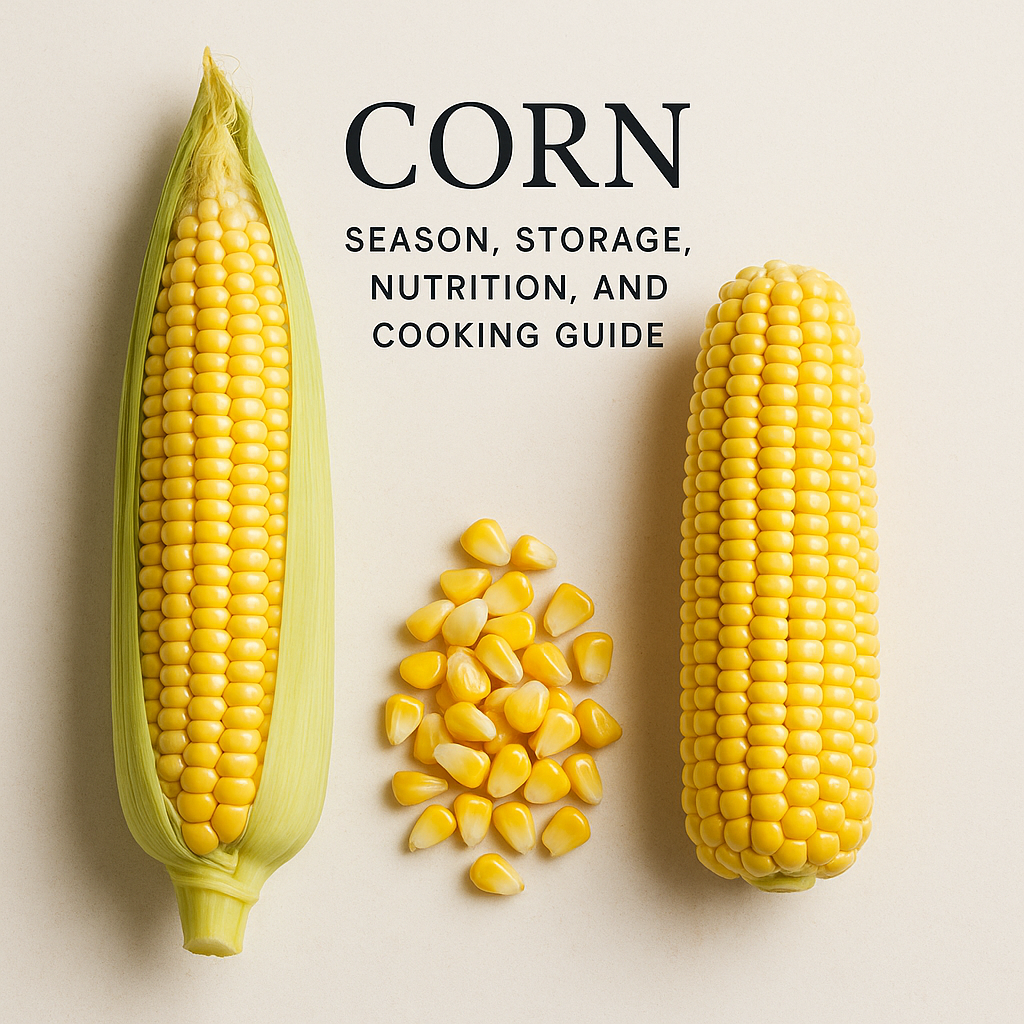
✨ Characteristics
Corn is identifiable by its long, tubular ears surrounded by a husk of tightly wrapped leaves with kernels varying in color from yellow to red, blue, or black, depending on the variety. This diversity in appearance reflects the plant's adaptability and rich history of cultivation. The kernels themselves are juicy and sweet or starchy, making corn an immensely versatile crop suitable for various culinary uses.
Each ear of corn consists of rows of hundreds of kernels, protected by silk that can range from pale yellow to deep purple. Corn plants can grow from 5 to 12 feet tall, producing tassels on top and ears that develop in the plant nodes. It thrives in warm climates, being highly adaptive to different soils and environmental conditions.
💪 Benefits
Corn is not only delicious but also packed with nutritional benefits. It serves as an excellent source of essential nutrients such as carbohydrates, fiber, vitamins, and minerals. Corn is naturally gluten-free, making it a safe and healthy option for people with gluten intolerance or celiac disease.
Fiber in corn promotes healthy digestion and can help reduce the risk of constipation. The antioxidants found in various corn varieties, such as lutein and zeaxanthin, are known for supporting eye health. Moreover, corn's high carbohydrate content provides a quick energy boost, making it a favorite among athletes and active individuals.
🌍 Origin
Corn is native to the Americas and has been domesticated for over 10,000 years. It originated in what is now central Mexico from a wild grass called teosinte. As civilizations spread through North and South America, corn cultivation became more prevalent, leading it to become a dietary staple in many cultures.
After Columbus's introduction of corn to Europe in the late 15th century, the crop gained popularity globally and adapted to various climates, thus becoming a crucial agricultural and economic element worldwide.
📅 Harvest Season
The harvesting season for corn varies depending on the geographical location and climate. Generally, fresh corn is harvested in late summer to early fall. In the United States, corn is typically harvested from July to September, when the ears are full, and the husks are green.
Tropical and subtropical countries may experience year-round harvesting, as these regions allow for continuous corn growth and cultivation. Timing is crucial for harvesting corn at its peak sweetness and tenderness.
🧺 Varieties
Corn is available in numerous varieties, each with unique characteristics and culinary uses. There are primarily four major types:
- Dent Corn: Also known as field corn, this variety is primarily used for animal feed, processed foods, and industrial products. It’s identified by a unique "dent" in the top of each kernel as they mature.
- Flint Corn: Known for its hard outer shell and colorful kernels, flint corn is commonly used for decorative purposes and in making cornmeal.
- Popcorn: Beloved for making the fluffy, buttery snack, popcorn kernels have a unique structure that explodes when heated.
- Sweet Corn: Popular at barbecues and family gatherings, this variety is known for its tender kernels and sweet taste, making it ideal for direct consumption as corn on the cob.
🛒 How to Choose (Checklist)
Choosing the best corn can make all the difference in enjoying its full, sweet flavor. Here’s a checklist to follow:
- Look for vibrant green husks; they should be slightly damp and tightly wrapped around the cob.
- Feel the individual kernels through the husk to ensure they are plump and evenly distributed.
- Avoid corn with brown or dried-out silk strands.
- Inspect the tip of the cob—if visible, the kernels should be full and uniform.
- Smell the corn; it should have a fresh, sweet aroma.
🍽 Cooking & Eating Methods
Corn can be prepared and enjoyed in a plethora of delicious ways. Here are some popular methods:
- Grilled: Grilling corn brings out its natural sweetness. Brush with butter and seasonings before placing it directly on the grill for a smoky flavor.
- Boiled: A quick and easy method, boiling corn for about 5-7 minutes in unsalted water preserves its tenderness and flavor.
- Roasted in the Oven: Similar to grilling, roasting corn can be done in husks to trap steam and enhance taste.
- Creamed Corn: Corn can be blended with milk and butter, creating a rich, comforting dish served as a side.
- Salsa or Salad Add-in: Fresh corn kernels add a sweet crunch to salsas and salads, offering surprising bursts of flavor.
❄ Storage Tips
Proper storage of corn ensures you enjoy its peak freshness and taste as long as possible. Here are some storage tips:
- Store corn in the refrigerator with husks on to maintain moisture and flavor. Use within 1-2 days for best results.
- If husks have been removed, wrap the ears tightly in plastic wrap or aluminum foil before refrigerating.
- For long-term storage, blanch corn by boiling it briefly, cooling, and then freezing it, either on the cob or as cut kernels.
❓ FAQ
Get answers to some common questions about corn:
- Q: Can you eat raw corn?
A: Yes, raw corn is edible and sweet. Simply cut the kernels off the cob and add to salads or salsas for a fresh crunch. - Q: How can you tell if corn has gone bad?
A: Spoiled corn can have a sour or off smell, slimy texture, or mold, indicating it should be discarded. - Q: What is the difference between white and yellow corn?
A: White corn tends to be less sweet than yellow corn and is often used for its mild flavor, while yellow corn is sweeter and favored in desserts and snacks.