🍓 Chive: Season, Storage, Nutrition, and Cooking Guide
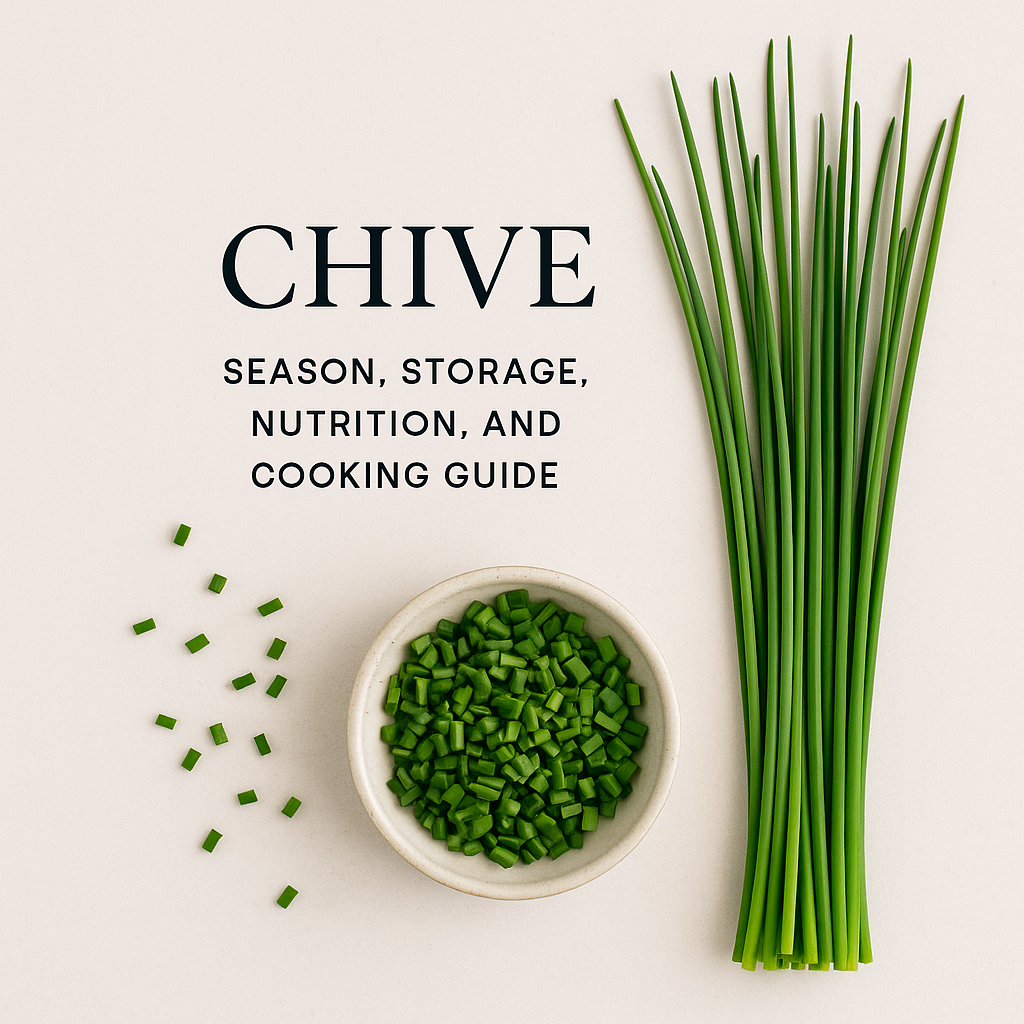
Chives, a member of the onion family, are a delightful herb known for their mild onion flavor and vibrant green color. Commonly used as a garnish or ingredient in various dishes, chives offer not only culinary zest but also nutritional benefits. This guide explores everything you need to know about chives, from their characteristics to storage tips and cooking methods.
✨ Characteristics
Chives (Allium schoenoprasum) are perennial plants known for their delicate, long, and slender stalks. Their vibrant green hue and mild onion flavor make them a versatile addition to a variety of dishes. Chives are related to onions, garlic, and leeks, but offer a subtler taste, making them ideal for enhancing flavor without overpowering a dish. Unlike other members of the Allium family, chives boast edible stems and flowers, which are often used for garnishing.
💪 Benefits
Incorporating chives into your diet can provide numerous health benefits due to their nutrient-rich profile. Chives are packed with vitamins A and C, providing essential nutrients that support immune function and skin health. In addition, they contain antioxidants that help combat free radicals in the body. Chives are also low in calories and high in fiber, making them an excellent addition to a balanced diet. While they're not a magic cure, they can certainly contribute to overall well-being when included in a diverse and nutritious diet.
🌍 Origin
Chives are native to regions of Europe, Asia, and North America, where they have been cultivated for thousands of years. Historically, they were used in various cultures for both culinary and medicinal purposes. Over time, chives spread across other continents and became a staple in many global cuisines, adding a unique flair to regional dishes with their mild onion flavor.
📅 Harvest Season
Chives thrive in temperate climates and are typically harvested from late spring to early fall. They are relatively easy to grow, making them a popular choice in culinary gardens. During their peak season, the herb flourishes with vigorous growth, and regular harvesting can encourage further sprouting. For optimal flavor, it is best to harvest chives in the morning when their natural oils are most concentrated.
🧺 Varieties
There are several varieties of chives, each with its own unique characteristics. Common chives (Allium schoenoprasum) feature tubular leaves and are widely recognized for their culinary use. Garlic chives (Allium tuberosum), also known as Chinese chives, have flat leaves and a subtle garlic flavor. In addition, there are ornamental varieties of chives that produce vibrant flowers, adding both beauty and utility to gardens.
🛒 How to Choose (Checklist)
- Look for vibrant green stalks that are firm and fresh.
- Avoid chives with yellow or wilting leaves.
- Opt for organic chives if available, to ensure the absence of pesticides.
- Smell the chives; they should have a fresh and mild onion aroma.
🍽 Cooking & Eating Methods
Chives are incredibly versatile in the kitchen and can be used in many different ways. They make an excellent garnish for soups, salads, and baked potatoes, adding a splash of color and a mild onion flavor. Chopped chives can be mixed into creamy sauces, dips, and dressings for enhanced taste. In cooked dishes, chives should be added at the end of the cooking process to preserve their delicate flavor and nutritional value.
❄ Storage Tips
To extend the shelf life of chives, store them in the refrigerator. Wrap them in a damp paper towel and place in a plastic bag in the crisper drawer. Chives can also be frozen for long-term storage; simply chop them into pieces and place in an airtight container or freezer bag. When frozen, chives can last for several months and can be used directly from the freezer in cooked dishes.
❓ FAQ (3 questions)
- Can chives be eaten raw? Absolutely. Chives are often used raw in salads, as a garnish, or sprinkled on dishes to add a fresh, mild flavor.
- Are chive flowers edible? Yes, chive flowers are edible and can be used to add a subtle onion flavor to dishes and a pop of color to salads.
- What is the best way to harvest chives? Use scissors to cut chives about an inch above the base, ensuring not to uproot the stalks. Regular harvesting encourages new growth.