🍓 Chili Pepper: Season, Storage, Nutrition, and Cooking Guide
Chili peppers, with their fiery heat and vibrant colors, have been a culinary staple across the globe for centuries. This article delves into their unique characteristics, myriad benefits, and the best ways to store, cook, and enjoy these spicy delights.
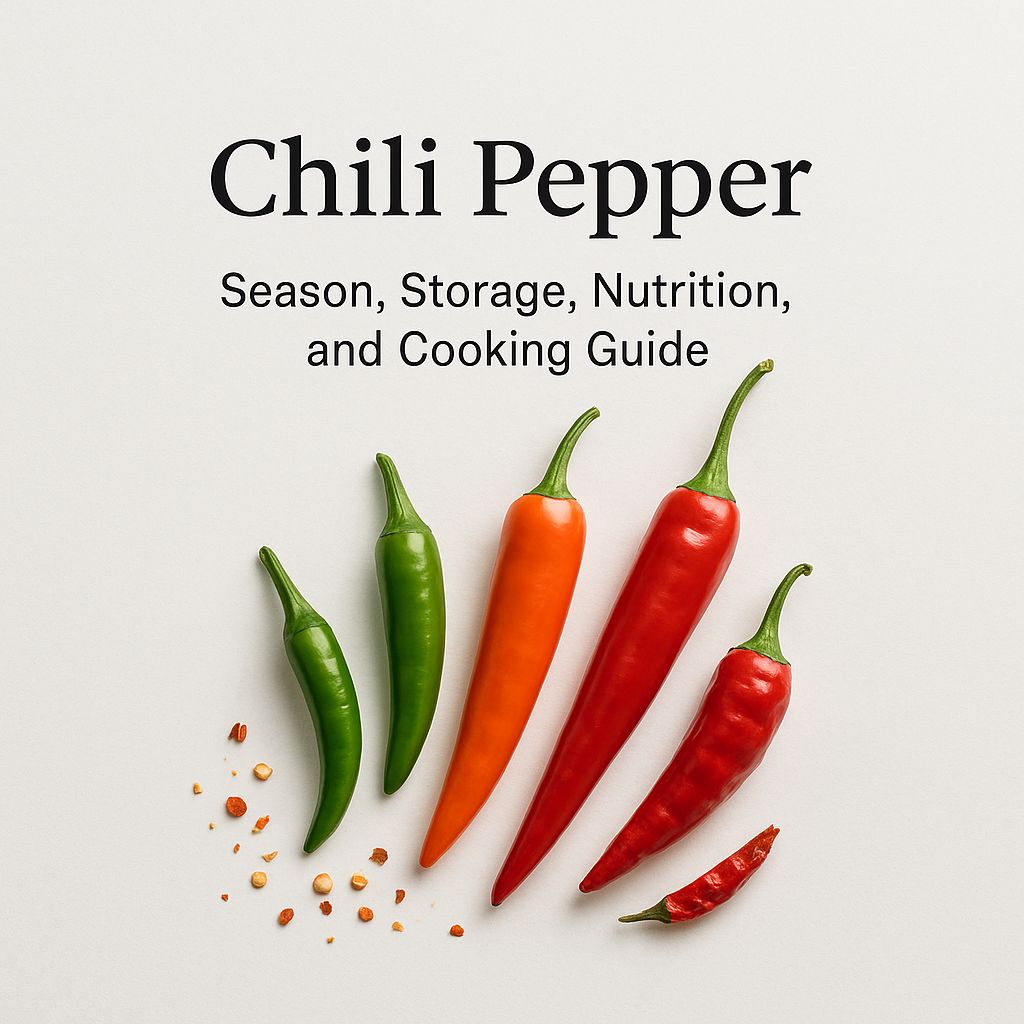
✨ Characteristics
Chili peppers are renowned for their pungent heat, which can range from mild to flaming hot, depending on the variety. This heat is due to the presence of capsaicin, a compound found in the pepper’s seeds and membranes. Besides heat, chili peppers come in various colors, typically ranging from green to red, with some variations presenting yellow, orange, and even black hues. Their shape can vary from short and bulbous to long and thin.
The texture of chili peppers is typically crisp when raw, softening as it cooks. Their flavors range beyond just heat, encompassing smoky, sweet, and fruity undertones that can enhance a variety of dishes. The versatility in flavor and spiciness makes chili peppers a cherished ingredient in diverse cuisines worldwide.
💪 Benefits
Chili peppers are packed with numerous health benefits owing to their rich nutrient profile. They are low in calories and high in vitamins, particularly Vitamin C and Vitamin A. The capsaicin in chili peppers is known to boost metabolism by increasing the body's heat production, helping in burning extra calories.
Chili peppers also contain antioxidants, which play a crucial role in protecting cells from damage. Moreover, they can aid in enhancing digestion by stimulating gastric juices and possess anti-inflammatory properties that may contribute to overall health and well-being.
🌍 Origin
The origin of chili peppers dates back thousands of years in the Americas, where indigenous people cultivated them for culinary and medicinal purposes. They were a staple in the diets of Native American cultures, particularly in regions that today are part of Mexico. When explorers from Spain and Portugal began trading around the globe, they spread chili peppers to Europe, Africa, and Asia, where they quickly integrated into local cuisines.
Today, chili peppers are grown and consumed worldwide, playing a significant role in various regional dishes, each culture adding its unique twist to the use of this fiery fruit.
📅 Harvest Season
Chili peppers thrive in warm climates, and their harvest season typically spans from mid-summer to fall, though this can vary by location and variety. In the United States, for example, the peak season usually starts in July and can extend through October.
In tropical regions where temperatures remain conducive year-round, chili peppers can possibly be harvested continuously. It is not uncommon for some varieties to be grown in greenhouse conditions or imported during off-seasons to meet consumer demand.
🧺 Varieties
There are numerous varieties of chili peppers, each with its unique flavor, heat level, and culinary use. Some popular varieties include:
- Jalapeño: Known for their moderate heat and versatility, jalapeños are a favorite for salsas and stuffing.
- Serrano: Small and fiery, serrano peppers are often used in sauces and relishes.
- Habanero: Among the hottest, habaneros are prized for their intense heat and slightly fruity flavor.
- Poblano: Mild and large, perfect for grilling and stuffing, often used in Mexican cuisine.
- Cayenne: Usually dried and powdered, cayenne is a staple for adding heat in spice blends.
🛒 How to Choose (Checklist)
When selecting chili peppers, consider the following checklist to ensure you get the best quality:
- Look for chili peppers with bright, vibrant colors; they indicate ripeness and freshness.
- Avoid peppers with blemishes, soft spots, or wrinkled skin, as these can suggest overripeness or decay.
- Choose peppers that feel firm and have a taut skin.
- Smaller peppers tend to be hotter than larger ones of the same variety.
- If buying dried chili peppers, ensure they are pliable and free from excess moisture.
🍽 Cooking & Eating Methods
Chili peppers can be cooked and consumed in various ways, each method bringing out unique flavors and textures. Here are some popular methods:
- Raw: Add freshly chopped chili peppers to salsas, salads, or as a garnish to dishes for a crisp texture and potent heat.
- Roasted: Roast whole peppers under a broiler or over an open flame for a smoky flavor, then peel and de-seed before using.
- Stuffed: Larger peppers like poblanos can be stuffed with cheese, meat, or grains, then baked to perfection.
- Dried: Use dried chili peppers to make pepper flakes or powders, enhancing soups, rubs, and marinades.
- Pickled: Preserve peppers in vinegar and spices to extend their shelf life and add tangy flavor to sandwiches and tacos.
❄ Storage Tips
Proper storage of chili peppers extends their shelf life and retains their flavors. Here are some helpful storage tips:
- Fresh: Store chili peppers in a perforated plastic bag in the refrigerator's vegetable drawer, where they can last up to two weeks.
- Frozen: Wash, dry, and slice peppers before freezing them in airtight containers or freezer bags. They can last up to six months this way.
- Dried: Keep dried peppers in a cool, dark, dry place in airtight containers to maintain potency. Grind as needed for freshness.
- Pickled: Store pickled peppers in the refrigerator, where they can keep for several months.
❓ FAQ
1. Can eating chili peppers help with weight loss?
While chili peppers alone won't lead to weight loss, the capsaicin they contain may help boost metabolism and curb appetite, contributing to weight management alongside a balanced diet and regular exercise.
2. Are chili peppers and bell peppers from the same plant?
Chili peppers and bell peppers belong to the same Capsicum genus, but they differ in their levels of capsaicin, the compound responsible for spiciness. Bell peppers are a type of sweet pepper with none or very low capsaicin, making them mild compared to spicy chili varieties.
3. How can I reduce the heat of chili peppers in a dish?
If a dish becomes too spicy, try adding dairy such as yogurt or cream, which can neutralize capsaicin. Alternatively, adding a bit of sugar or starch like rice or bread can help absorb and lessen the spiciness.