🍓 Chickpea: Season, Storage, Nutrition, and Cooking Guide
Chickpeas, also known as garbanzo beans, are versatile legumes celebrated for their subtle nutty flavor and remarkable nutrition profile. Renowned worldwide, these tiny powerhouses have been a staple food for centuries, offering an array of culinary possibilities. From hummus in the Middle East to chana masala in India, chickpeas play a vital role in countless kitchens. This comprehensive guide explores everything you need to know about chickpeas—from their origins to how best to store and cook them.
✨ Characteristics
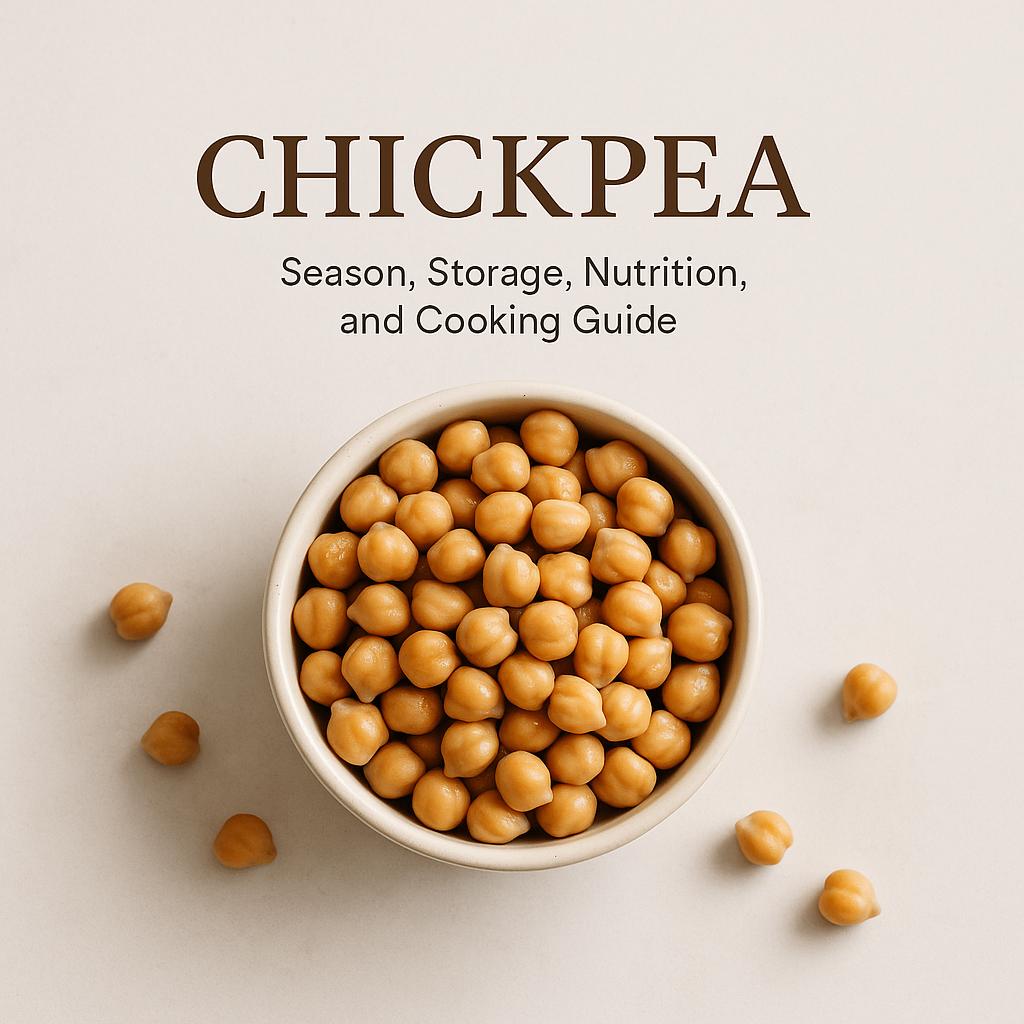
Chickpeas belong to the family of legumes known as Fabaceae. They are typically round, beige-colored seeds with a firm texture. Once cooked, they have a creamy, nutty taste that complements an array of dishes. While they can be found in canned form, many prefer the dried variety for its rich flavor and longer shelf-life.
Cultivated in tropical and subtropical regions, chickpeas are recognized for their adaptability and ability to grow in poor soil conditions. They are valued not only for their nutritional benefits but also for their ability to improve soil health through nitrogen fixation.
💪 Benefits
Chickpeas boast an impressive nutrition profile that makes them a valuable addition to any diet. They are rich in protein, fiber, and several essential vitamins and minerals, including folate, iron, phosphorus, and magnesium.
The high protein content makes them an excellent choice for vegetarians and vegans looking to increase their protein intake. Moreover, their fiber content aids in digestion and helps maintain a healthy gut. As a low-glycemic index food, chickpeas can assist in stabilizing blood sugar levels, contributing to better metabolic health.
🌍 Origin
Chickpeas have a storied history, tracing back more than 7,000 years. Originally cultivated in the Middle East, they quickly spread across the Mediterranean region and into Asia and Africa. The crop eventually made its way to the Americas with early explorers and trade routes. Today, chickpeas are grown on every continent, reflecting their universal appeal and adaptability to different climates.
📅 Harvest Season
Chickpeas are typically sown in the spring and harvested in late summer or early fall, depending on the climate of the growing region. In cooler climates, they may be planted as a winter crop. Farmers gauge the harvest time by the ripeness of the pods and the dryness of the plant. It is crucial for chickpeas to mature fully on the vine to ensure optimal taste and nutritional value.
🧺 Varieties
There are two main types of chickpeas: Desi and Kabuli. The Desi variety is small, darker, and has a rough coat. It is mostly grown in India and has a higher fiber content. The Kabuli, on the other hand, is larger, lighter in color, and has a smooth coat. It is more common in Mediterranean and Middle Eastern cuisine.
Each variety brings a unique flavor profile and texture, making them suitable for different culinary applications.
🛒 How to Choose (Checklist)
- Look for Freshness: Opt for chickpeas that are uniform in size and free from cracks or blemishes.
- Check for Moisture: Whether buying dried or canned, ensure there is no moisture present that could affect the quality.
- Inspect Packaging: For canned chickpeas, inspect the packaging for any signs of damage or dents.
- Consider Organic: Select organic chickpeas to minimize exposure to pesticides and genetically modified organisms.
- Examine Expiry Date: Always check the expiration date, especially for canned chickpeas, to ensure freshness.
🍽 Cooking & Eating Methods
Chickpeas are incredibly versatile and can be enjoyed in a multitude of ways. Before cooking dried chickpeas, it’s essential to soak them for at least 8 hours or overnight. This practice not only reduces the cooking time but also aids in digestion.
Boiling: After soaking, boil the chickpeas in fresh water for about 1 to 2 hours until tender. Add them to salads, stews, or curries for a nutrient-rich boost.
Roasting: For a crunchy snack, toss boiled chickpeas with olive oil, salt, and spices, then roast them in the oven until crispy.
Blending: Perhaps the most famous dish featuring chickpeas is hummus—a creamy blend of chickpeas, tahini, lemon juice, and garlic.
❄ Storage Tips
Proper storage is crucial for maintaining the quality and freshness of chickpeas. For dried chickpeas, keep them in an airtight container in a cool, dark place. If stored well, they can last up to a year.
For cooked chickpeas, store them in a sealed container in the refrigerator, where they can last for up to a week. They can also be frozen for longer storage. If freezing, place them in portioned bags to easily thaw what you need.
❓ FAQ
Q1: Can chickpeas be eaten raw?
A: It is not recommended to eat raw chickpeas due to potential digestive issues. Always cook them until tender before consumption.
Q2: Are canned chickpeas as nutritious as dried ones?
A: While canned chickpeas are convenient, they may contain added salt and preservatives. Rinsing them before use can reduce sodium content, and they remain a nutritious option.
Q3: How can I tell if chickpeas have gone bad?
A: Signs of spoilage in chickpeas include an off smell, presence of mold, or discoloration. Discard any chickpeas showing these signs.