🍓 Cherry Tomato: Season, Storage, Nutrition, and Cooking Guide
Cherry tomatoes, small yet full of flavor, are a delightful addition to any culinary creation. This guide will explore their unique characteristics, nutritional benefits, various varieties, and the best ways to store and prepare them, ensuring you make the most out of these tiny treasures.
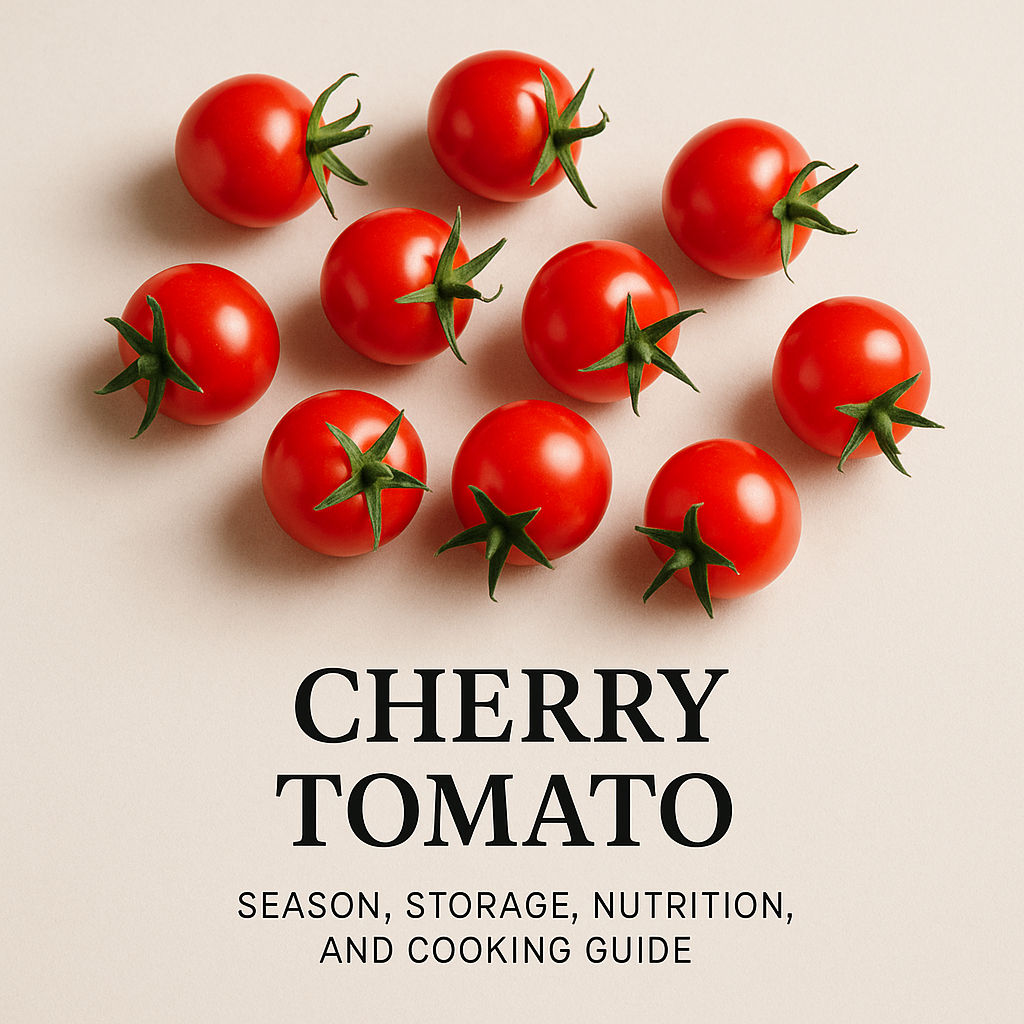
✨ Characteristics
Cherry tomatoes are known for their small, rounded shape and vibrant colors, which range from traditional reds to yellows and oranges. Unlike larger tomato varieties, their sweetness is often pronounced, making them a preferred choice for fresh salads, snacks, and casual eating.
Their skin is smooth and thin, which contributes to their juicy texture. These tomatoes burst with flavor, offering a slightly tangy taste balanced by their innate sweetness. Their consistent size and shape also make them visually appealing in culinary presentations.
💪 Benefits
Cherry tomatoes are not only delicious but also packed with essential nutrients. They are low in calories and rich in Vitamin C, which supports immune health and acts as an antioxidant in the body. Additionally, they contain Vitamin A, aiding in maintaining healthy vision and skin.
These tomatoes are also a good source of dietary fiber, helping to promote digestive health. Lycopene, a powerful antioxidant present in cherry tomatoes, has been linked to numerous health benefits, including supporting heart health by reducing oxidative stress and inflammation.
🌍 Origin
The cherry tomato traces its roots back to the Andean region of South America. Over centuries, it spread through various parts of the world, becoming a staple in many culinary traditions. Its cultivation is believed to have started in Mexico, where it was later transported to Europe and beyond. Today, the cherry tomato is globally loved and cultivated in numerous environments, from commercial farms to home gardens.
📅 Harvest Season
Cherry tomatoes are typically harvested during the summer months. Depending on the region and climate, their peak season can range from late spring to early fall. In regions with milder climates, they might be available a bit earlier or later. Optimal harvesting occurs when the tomatoes are fully colored, firm, and juicy.
Those growing cherry tomatoes at home may experience several harvests throughout the summer, as these plants tend to produce continuously until the onset of frost or cooler weather.
🧺 Varieties
There are numerous varieties of cherry tomatoes, each offering a unique flavor profile and appearance. Some popular varieties include:
- Sweet 100: Known for its abundant yields and high sugar content, making it one of the sweetest cherry tomatoes.
- Sun Gold: Offers a beautiful golden color with a sweet, tropical flavor.
- Black Cherry: This heirloom variety boasts a rich, dark color and a balanced, complex taste.
- Yellow Pear: Shaped like a small pear, this yellow variety is both tangy and sweet, perfect for colorful salads.
🛒 How to Choose (Checklist)
When selecting cherry tomatoes, consider the following checklist to ensure you pick the best:
- Check for vibrant, consistent coloring relevant to the variety.
- Firmness is key; avoid tomatoes that are overly soft or have blemishes.
- A fresh, mild tomato aroma indicates ripeness and quality.
- Avoid any signs of shriveling, which could indicate dehydration.
🍽 Cooking & Eating Methods
Cherry tomatoes are versatile ingredients suitable for various culinary applications. Here are some popular methods of enjoying them:
- Fresh: Add them to salads or enjoy them as a quick, nutritious snack.
- Roasted: Roasting enhances their natural sweetness, making them a perfect pairing for pasta, soups, or as a flavorful side dish.
- Grilled: Skewer cherry tomatoes and grill them for a smoky taste, adding depth to your summer barbecues.
- Sauces: Use them in quick sauces where their sweetness adds balance to the acidity of larger tomatoes.
❄ Storage Tips
To maximize the shelf life and flavor of cherry tomatoes, proper storage is essential. Here's how to store them effectively:
- For optimal freshness, keep cherry tomatoes at room temperature. Refrigeration can dull their flavor and alter texture.
- If you need to store them for a prolonged period, ensure they are ripe and use them quickly after refrigerating.
- Store tomatoes in a single layer in a cool, airy location, avoiding direct sunlight.
- For cut tomatoes, refrigerate in an airtight container and consume within a few days.
❓ FAQ
Q1: Can cherry tomatoes ripen after being picked?
A1: Yes, cherry tomatoes can ripen after being picked if kept at room temperature. Allow them to sit in a single layer and check regularly.
Q2: Are there any allergens associated with cherry tomatoes?
A2: Cherry tomatoes can cause allergic reactions in some people due to the presence of certain proteins, although this is relatively uncommon. Those with known allergies to nightshades should exercise caution.
Q3: Can you freeze cherry tomatoes?
A3: Yes, you can freeze cherry tomatoes. While their texture may change upon thawing, they can still be used effectively in cooked dishes. Ensure they are clean and dry before freezing in airtight bags or containers.