🍓 Burdock Root: Season, Storage, Nutrition, and Cooking Guide
Burdock root, known for its culinary versatility and nutrient-rich profile, has been cherished in various cultures for centuries. This guide explores its unique characteristics, benefits, and best practices for storage and cooking, making it a valuable staple in kitchens worldwide.
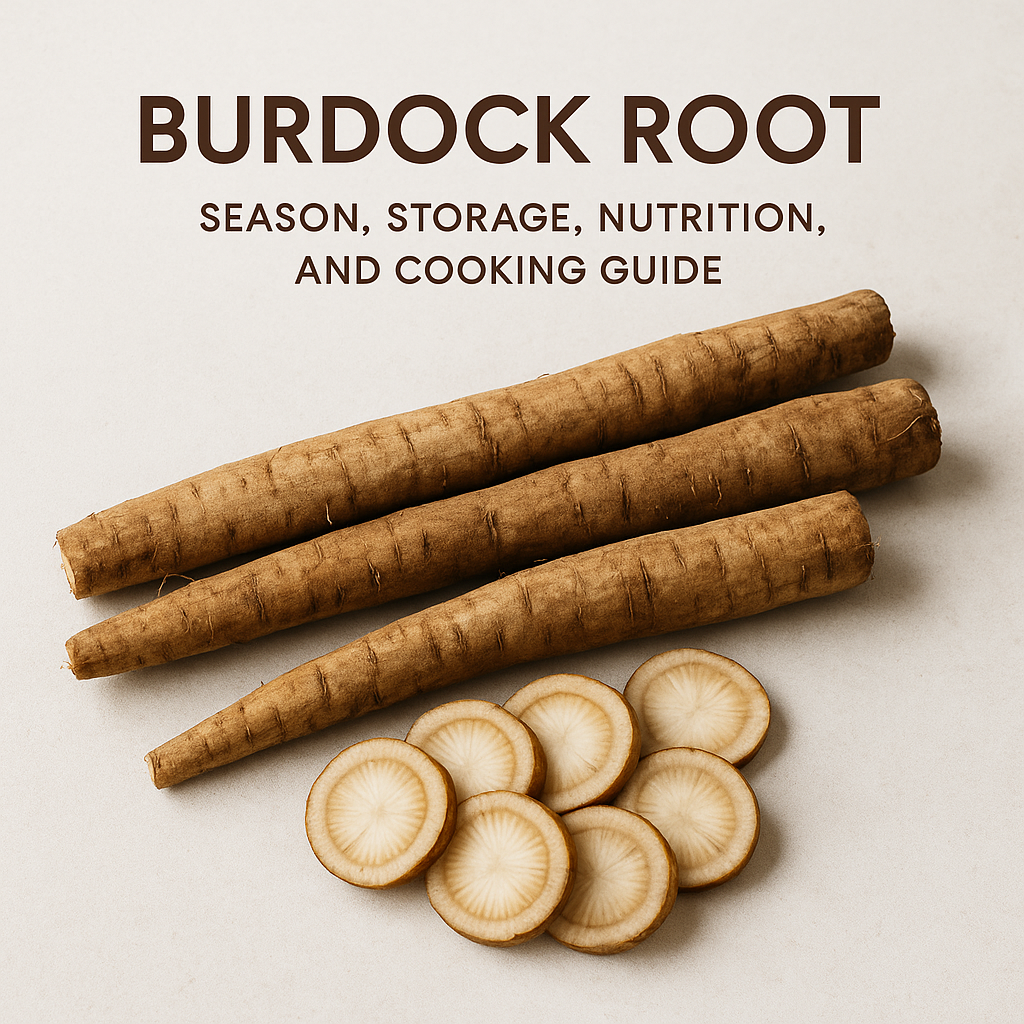
✨ Characteristics
Burdock root, often referred to as "gobo" in Japanese cuisine, is a slender and elongated vegetable with a brown, thin skin. Its taste is mild yet slightly sweet, bearing a resemblance to the flavor of artichoke. The root is noted for its crispy, fibrous texture, which becomes tender upon cooking. When selecting fresh burdock root, look for firm roots without blemishes to ensure the best quality.
💪 Benefits
Burdock root is a powerhouse of nutrients and contains essential fibers, vitamins, and minerals. It's particularly rich in dietary fiber, which supports digestive health. Furthermore, it contains antioxidants like quercetin and phenolic acids, which are known for their ability to combat oxidative stress. Including burdock root in your diet can contribute to overall well-being.
🌍 Origin
Native to Asia and Europe, burdock root has a long history of cultivation in these regions. It is widely used in Asian cuisines, particularly in Japanese, Korean, and Chinese dishes. Throughout history, it has been utilized for its culinary and traditional benefits, embedding itself as a staple ingredient in various cultural recipes.
📅 Harvest Season
The harvest season for burdock root typically spans from late summer to early autumn. This period allows farmers to pick the roots when they have matured to their full flavor potential. However, in regions with milder climates, burdock root can be harvested throughout the year. This seasonality ensures that consumers receive roots at their peak freshness and flavor.
🧺 Varieties
Burdock root comes in several varieties, each with unique characteristics catered to different culinary uses:
- Long Burdock Root: Known for its elongated shape, this variety is largely popular in Japanese cuisine.
- Round Leafed Burdock: Offers a slightly bitter taste and is commonly used in teas and traditional tinctures.
- Chinese Burdock: Smaller in size, often used for medicinal purposes in traditional Chinese medicine.
Each variety has its own set of qualities, making it suitable for a range of dishes.
🛒 How to Choose (Checklist)
When selecting burdock root, here is a checklist to ensure you purchase the best quality:
- Look for firm roots with a smooth, unblemished surface.
- The skin should be free from cracks and excessive dirt.
- Choose roots that feel heavy for their size, indicating freshness.
- Avoid wilted or shriveled roots with a spongy texture.
- Opt for medium-sized roots as they are often less fibrous and more tender.
🍽 Cooking & Eating Methods
Burdock root is an incredibly versatile ingredient suitable for numerous cooking methods. Before cooking, the root should be thoroughly washed and peeled. Here are some popular methods to enjoy burdock root:
- Sautéing: Thinly slice the root and sauté with soy sauce, sugar, and sesame oil for a classic Japanese side dish.
- Boiling: Add burdock root slices to soups and stews for a subtle, earthy flavor enhancement.
- Stir-Frying: Combine with other vegetables and meats to create a colorful stir-fry that complements Asian cuisines.
- Pickling: Pickle thin slices in vinegar, sugar, and salt for a tangy and crunchy snack.
These methods highlight the root's capability to absorb flavors and add nutrient density to meals.
❄ Storage Tips
Proper storage is essential to extend the shelf life of burdock root. Here are some tips to keep your roots fresh:
- Store unwashed burdock root in a cool, dark place, similar to potatoes and carrots, to prevent sprouting.
- If purchased pre-washed, wrap the root in a damp paper towel and place it in a perforated plastic bag in the refrigerator.
- Use within a week for optimal freshness, though it can last longer if stored properly.
- To freeze, clean and chop the root into manageable pieces before storing in an airtight container or freezer bag.
❓ FAQ
Q1: Can burdock root be eaten raw?
A1: Yes, burdock root can be eaten raw. It is often sliced thin and added to salads for a crunchy texture.
Q2: Is burdock root safe for everyone?
A2: While generally safe for most individuals, those with allergies to plants in the daisy family should exercise caution.
Q3: Can I grow burdock root at home?
A3: Absolutely! Burdock root is relatively easy to grow in well-drained soil with adequate sunlight, making it a rewarding addition to home gardens.