🍓 Brussels Sprouts: Season, Storage, Nutrition, and Cooking Guide
Brussels sprouts, often cast into the shadows of more glamorous vegetables, are coming into their own with a rich history, a robust flavor profile, and versatile cooking methods. This guide delves into everything you need to know about these miniature cabbages, from their seasonal availability to the best ways to store and cook them. Whether you're a fan or a skeptic, there's always something new to learn about these nutrient-dense vegetables.
✨ Characteristics
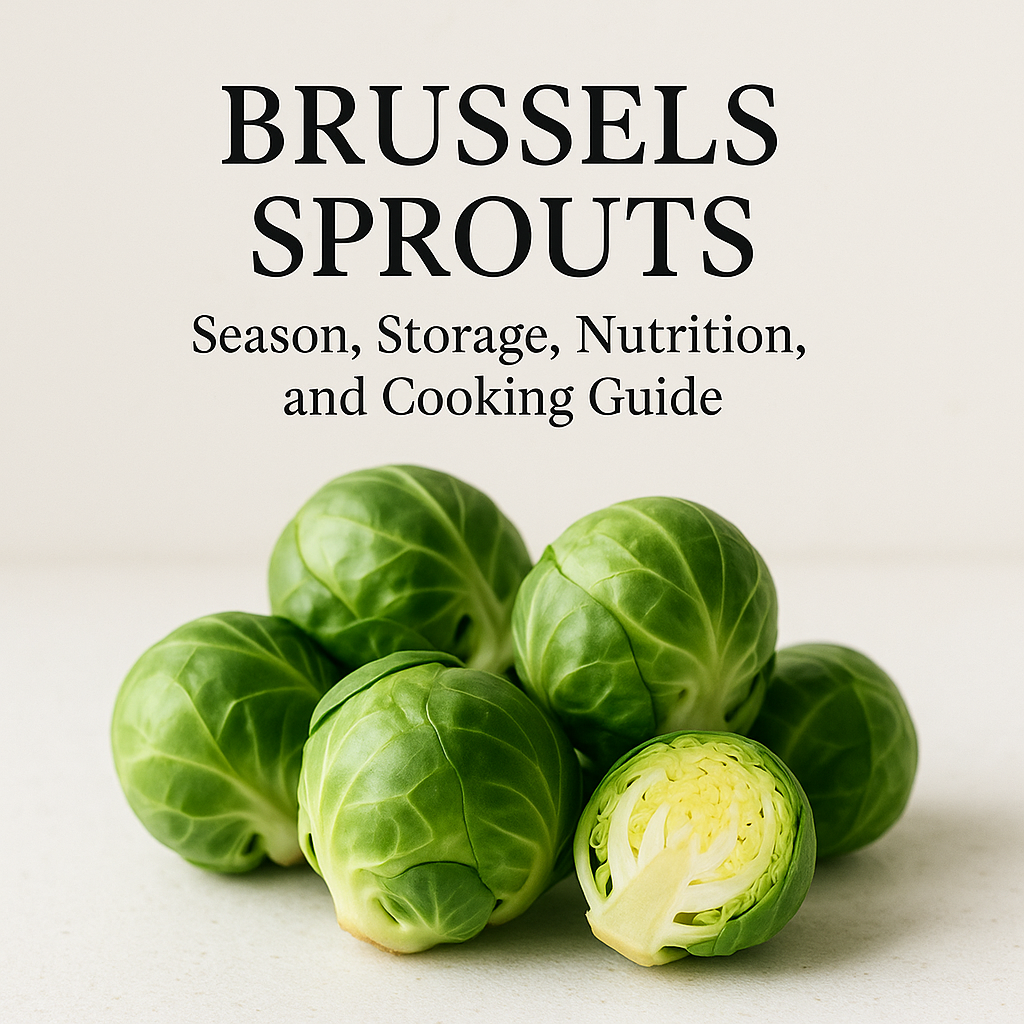
Brussels sprouts are part of the Brassicaceae family, closely related to other cruciferous vegetables like cabbage, broccoli, and kale. They are compact, round, and typically about 1 to 2 inches in diameter, appearing like miniature cabbages. The leaves of Brussels sprouts are tightly wrapped around each other, showcasing a vibrant green hue that indicates freshness and vitality.
When raw, they have a dense, crunchy texture, which softens to a tender and buttery bite when cooked. Their natural bitterness, when managed with skilled cooking techniques, can transform into a delightful, nutty sweetness.
💪 Benefits
Brussels sprouts are a powerhouse of nutrients, offering numerous health benefits. They are rich in vitamins, minerals, antioxidants, and fiber. Here’s a closer look at why they should be a staple in your diet:
- High in Vitamin C: A potent antioxidant, vitamin C helps protect the body against oxidative stress and supports skin health and the immune system.
- Excellent Source of Vitamin K: Essential for bone health and plays a critical role in blood clotting.
- Rich in Fiber: Fiber aids in digestive health and helps maintain a feeling of fullness, which can be beneficial for weight management.
- Good Source of Antioxidants: Contains compounds like kaempferol which are beneficial for protecting cells from damage.
🌍 Origin
Brussels sprouts boast a historical lineage, believed to have been cultivated in ancient Rome. However, the modern variety that we are familiar with today is thought to have originated in Belgium in the 16th century, hence its name derived from the country’s capital, Brussels. The cultivation spread throughout Europe and eventually to the United States towards the end of the 18th century. Since then, Brussels sprouts have become a favored vegetable in many Western cuisines.
📅 Harvest Season
Brussels sprouts are typically a cold-weather crop, thriving in cooler climates. They are generally harvested in late fall to early winter, from September through March, depending on the region. The frost during these months can enhance their natural sweetness, making them more palatable. Farmers often allow these sweetening frosts to touch the crops before picking them, ensuring the best flavor profile reaches the consumer.
🧺 Varieties
While the majority of Brussels sprouts may look similar, there are a few varieties that differ in size, flavor, and harvest time. Some popular varieties include:
- Diablo: Known for its nutty flavor and compact size.
- Long Island Improved: A heritage variety known for its reliable yield and robust taste.
- Jade Cross: Offers early maturity and disease resistance.
- Millennium: A modern variety with a sweeter profile and high yield.
🛒 How to Choose (Checklist)
When selecting Brussels sprouts, look for the following characteristics to ensure you’re getting fresh and flavorful sprouts:
- Choose firm, compact sprouts with bright green leaves.
- Avoid sprouts with yellowing or wilting leaves.
- Smaller sprouts tend to be sweeter and more tender.
- If possible, select sprouts still on the stalk for longer freshness.
- Check for an earthy, fresh aroma, avoiding any with a strong, unpleasant odor.
🍽 Cooking & Eating Methods
Brussels sprouts are incredibly versatile and can be enjoyed in a variety of dishes. Here are some popular methods of cooking and enjoying them:
- Roasting: One of the best ways to bring out their sweetness, roasting Brussels sprouts caramelizes their edges, giving them a crunchy texture and deep flavor.
- Sautéing: A quick method that involves cooking them in olive oil with garlic, resulting in a savory delight.
- Steaming: Retains most of their nutrients and softens their texture without losing flavor.
- Grilling: Adds a smoky, charred flavor that can be enhanced with seasoning.
- Added to Stir-fries: Their sturdiness holds up well in stir-fried dishes, contributing a crunchy texture.
❄ Storage Tips
To maximize the shelf life and maintain the quality of Brussels sprouts, proper storage is key:
- Store unwashed sprouts in a plastic bag in the refrigerator where they can last up to a week.
- For longer storage, they can be blanched and then frozen. Blanching involves boiling the sprouts for a couple of minutes and then immediately cooling them in ice water before transferring to a freezer-safe bag.
- Refrigerate cooked Brussels sprouts without delay in an airtight container if they’re not consumed immediately, though eating them fresh offers the best taste and nutritional benefits.
❓ FAQ
- Can I eat Brussels sprouts raw? Yes, Brussels sprouts can be eaten raw and add a satisfying crunch to salads. When raw, they have a more pronounced peppery taste, so consider pairing them with sweet or tangy ingredients to balance the flavors.
- Are Brussels sprouts easy to grow at home? Yes, they can be grown in home gardens. They require a cool growing season and can be grown in various climates but prefer a fertile soil with good drainage.
- What can I do to reduce the bitterness of Brussels sprouts? The perceived bitterness can be reduced through roasting with a bit of olive oil and seasoning or by incorporating them into dishes with complementary flavors such as glazes or sauces that add sweetness or acidity.