🍓 Bell Pepper: Season, Storage, Nutrition, and Cooking Guide
Bell peppers are vibrant, versatile, and packed with flavor and nutrition. This comprehensive guide explores their characteristics, benefits, origins, seasonality, varieties, and more to help you make the most of this popular vegetable in your culinary endeavors.
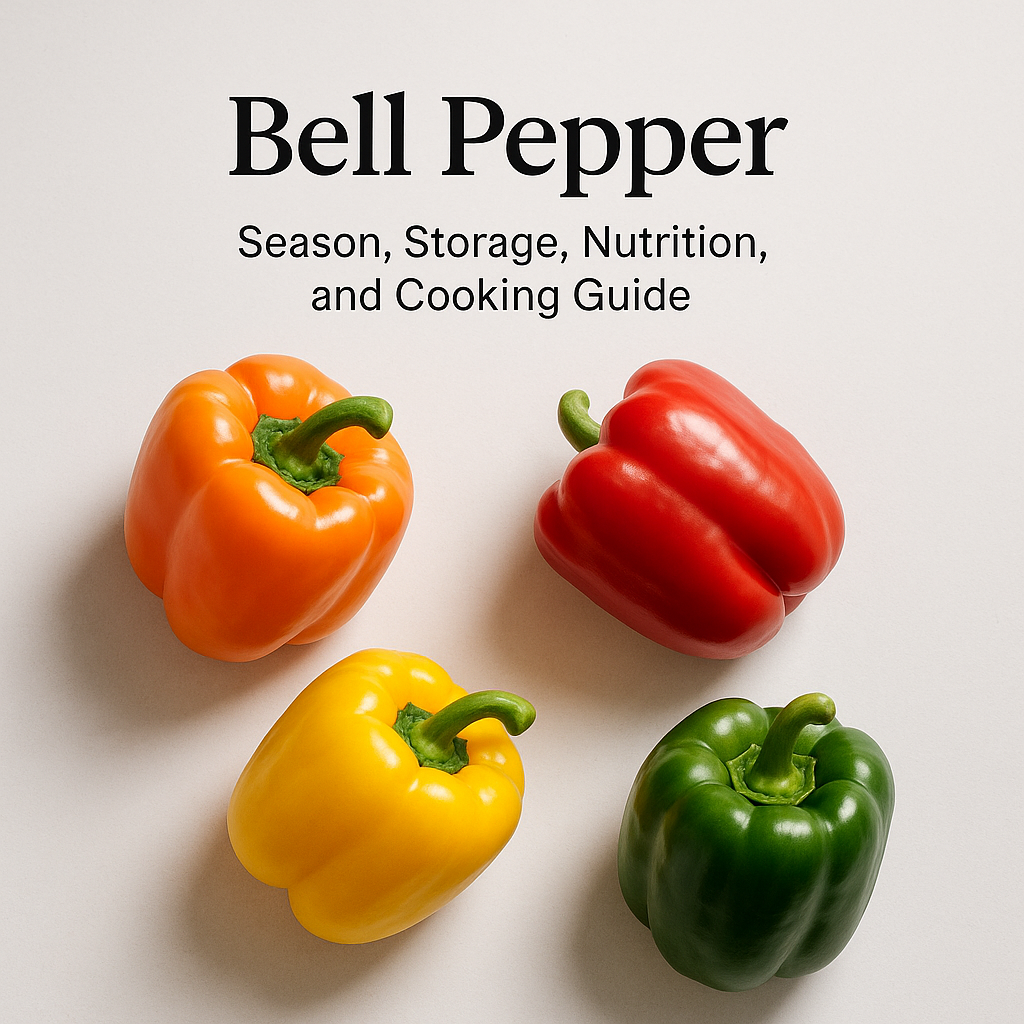
✨ Characteristics
Bell peppers, also known as sweet peppers, are scientifically classified under the species Capsicum annuum. They are known for their crisp texture and sweet flavor, making them a popular choice for both raw and cooked dishes. Unlike their spicy relatives, bell peppers contain no capsaicin, the compound responsible for heat in other peppers, which is why they are often referred to as sweet peppers.
The most common varieties of bell peppers are green, red, yellow, and orange, each offering a unique flavor profile. Green bell peppers are typically harvested earlier, resulting in a slightly bitter taste, while red, yellow, and orange bell peppers are left on the plant longer to develop their sweetness.
💪 Benefits
Bell peppers are a nutritious addition to any diet. They are low in calories and packed with vitamins and minerals, particularly vitamin C and vitamin A. A single cup of chopped bell pepper can provide more than 100% of your daily vitamin C needs, essential for immune function and skin health.
Rich in antioxidants, bell peppers play a role in reducing oxidative stress, promoting heart health, and reducing the risk of chronic diseases. Their high fiber content aids in digestion and helps maintain gut health. Additionally, the carotenoids in bell peppers contribute to eye health and may help protect against age-related vision decline.
🌍 Origin
Bell peppers are native to Central and South America, where they have been cultivated for thousands of years. They were brought to Europe in the 15th and 16th centuries during the Columbian Exchange, and their cultivation eventually spread to other parts of the world. Today, bell peppers are grown globally and are a staple ingredient in many different cuisines.
📅 Harvest Season
The harvest season for bell peppers varies depending on the geographic location and climate. In regions with temperate climates, bell peppers are typically harvested from late spring to early fall. Greenhouse production allows for year-round availability, but peak season is usually from July to September when outdoor crops are abundant.
It's during the peak season that bell peppers tend to be most flavorful and are often available at lower prices. Purchasing bell peppers in season not only supports local agriculture but also ensures you get the freshest produce.
🧺 Varieties
While the most common colors of bell peppers are green, red, yellow, and orange, there are additional varieties that include purple, brown, and even white peppers. Each color indicates a different stage of ripeness and a slightly different nutrient profile.
- Green Bell Peppers: Harvested before full ripeness, they have a fresh, slightly bitter taste.
- Red Bell Peppers: Fully ripe and sweeter, rich in beta-carotene and vitamin C.
- Yellow and Orange Bell Peppers: Intermediate ripeness, offering a balance of sweetness and nutrition.
- Purple and Other Varieties: Less common but intriguing in taste and visual appeal.
🛒 How to Choose (Checklist)
When selecting bell peppers, consider the following checklist to ensure you're picking the freshest and best quality produce:
- Look for bell peppers with a firm and glossy skin. Avoid those with wrinkles or soft spots.
- The stem should be green and fresh-looking, not dried out or discolored.
- Pick peppers that feel heavy for their size, as this typically indicates thick, juicy flesh.
- Avoid peppers with blemishes or any signs of mold.
- Choose based on your color preference, noting that red peppers are often sweeter than green ones.
🍽 Cooking & Eating Methods
Bell peppers are incredibly versatile in the kitchen. They can be consumed raw or cooked, making them a staple ingredient for various dishes. Here are some popular ways to prepare and enjoy bell peppers:
- Raw: Bell peppers can be sliced and added to salads, eaten as a snack with dips, or incorporated into sandwiches for a crunchy texture.
- Grilled: Grilling enhances their natural sweetness and makes for a perfect side dish or accompaniment to meats.
- Stuffed: Hollowed-out bell peppers can be filled with a mixture of grains, vegetables, and proteins for a hearty meal.
- Sautéed: Quickly cooking them in a bit of oil brings out their tenderness and sweetness, perfect for stir-frys or as toppings for pizzas and pastas.
- Roasted: Roasting caramelizes the natural sugars and imparts a smoky flavor, ideal for soups or as a topping for salads.
❄ Storage Tips
Proper storage of bell peppers can extend their shelf life and maintain their quality. Here are some tips to keep your peppers fresh:
- Store whole bell peppers in the refrigerator crisper drawer in a plastic bag for up to two weeks.
- Keep cut bell peppers in an airtight container in the refrigerator; use them within three to five days for optimal freshness.
- To freeze, wash and cut the peppers into desired sizes, then spread on a baking sheet to freeze individually before transferring to a zipper-lock bag. Use within six months.
- If dehydrating, ensure they are completely dry before storage to prevent spoilage.
❓ FAQ
Q1. Can I eat raw bell peppers?
Yes, bell peppers can be eaten raw and are a delicious addition to salads, dips, and snacks, providing a refreshing crunch.
Q2. How do I prevent bell peppers from becoming soggy when cooking?
To maintain their texture, avoid overcooking them. Quick cooking methods like sautéing or grilling on high heat can help preserve their firmness.
Q3. What is the difference in taste between green and red bell peppers?
Green bell peppers tend to have a more bitter, vegetal taste, while red, yellow, and orange peppers have a sweeter flavor profile due to longer ripening on the vine.