🍓 Artichoke: Season, Storage, Nutrition, and Cooking Guide
The artichoke, known for its unique appearance and delightful taste, is more than just a vegetable. With a rich history and numerous health benefits, it is a culinary gem waiting to be explored. This guide will detail everything you need to know about artichokes, covering their characteristics, benefits, seasonal considerations, variety, selection, cooking methods, storage, and common inquiries.
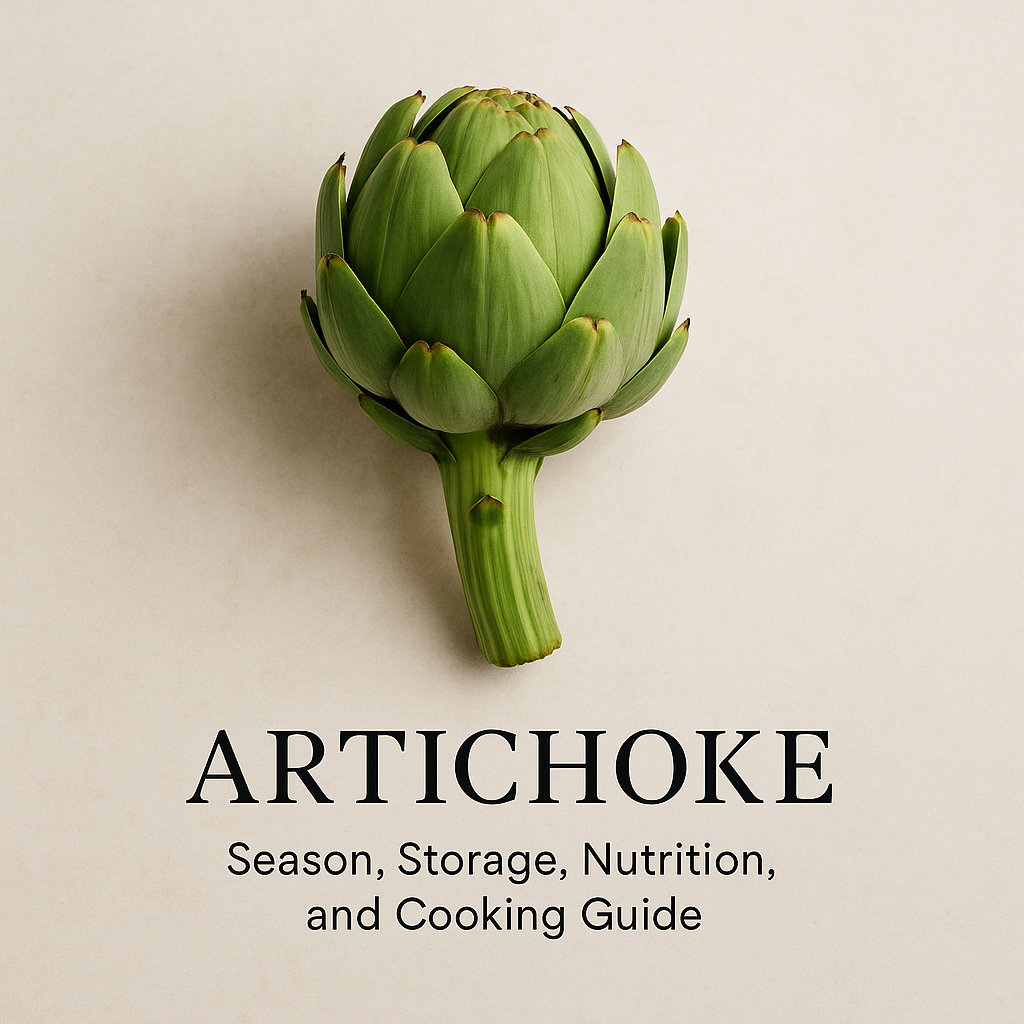
✨ Characteristics
Artichokes are a type of thistle, with spiky leaves and a tender heart. They have a distinctive texture that comes from the tightly packed rows of bracts and a hairy choke, which should be removed before consuming the heart. With their vibrant green color, artichokes are both visually appealing and nutritious.
The plant's edible portions include the fleshy base of the leaves and the heart, which can be delicately sweet and nutty. They’re often enjoyed as a tasty appetizer, side dish, or main component of a meal.
💪 Benefits
Artichokes are packed with nutrients, making them a healthy addition to any diet. They are rich in dietary fiber, vitamins C and K, folate, and important minerals like magnesium and phosphorus. Additionally, they contain antioxidants, which help to combat free radicals in the body.
Due to their nutrient density, artichokes can support digestive health, contribute to maintaining a healthy weight, and potentially benefit heart health thanks to their fiber content. However, it's crucial to consume them as part of a balanced diet.
🌍 Origin
The artichoke is believed to have originated in the Mediterranean region, where it has been cultivated for centuries. Ancient Greeks and Romans praised the artichoke for its health benefits and culinary potential. Over time, it spread across Europe and eventually made its way to the United States, becoming especially popular in California, which remains a primary growing region.
📅 Harvest Season
In most regions, the peak season for artichokes is spring, typically from March to May. However, a smaller harvest occurs in the fall, around September and October. Artichokes thrive in mild, frost-free climates, which is why they're predominantly grown in coastal California. Harvest times may vary depending on local climate conditions.
🧺 Varieties
Several varieties of artichokes exist, with varying sizes and flavors:
- Green Globe: The most common variety, known for its large, round shape.
- Violetto: A smaller, purple-hued artichoke with a slightly sweeter taste.
- Big Heart: Known for its larger size and vibrant green color.
- Jerusalem Artichoke: Also known as sunchoke, this variety is not a true artichoke but a tuber.
🛒 How to Choose (Checklist)
To select the best artichokes, follow these tips:
- Choose artichokes with tight, compact leaves.
- Pick ones that feel heavy for their size.
- A fresh artichoke will have a deep green color and a slight squeak when squeezed.
- Avoid artichokes with browning, dried leaves or a limp appearance.
🍽 Cooking & Eating Methods
Artichokes can be prepared in various ways to suit different culinary needs:
- Boiling: A simple method where whole artichokes are submerged in water with a splash of lemon juice, salt, and a bay leaf. They are boiled until tender.
- Steaming: This method enhances the natural flavor and keeps the texture intact. Place artichokes on a steaming rack over boiling water until tender.
- Grilling: Halve or quarter the artichokes, brush with oil, and grill until charred for a smoky flavor.
- Stuffed: The inner leaves are removed and the cavity is filled with herbs, bread crumbs, and cheese before baking.
When eating, remove each leaf, dip it into a sauce if desired, and scrape off the flesh with your teeth. After the leaves are consumed, remove the fuzzy choke to enjoy the heart.
❄ Storage Tips
Proper storage extends the artichoke's freshness:
- Store unwashed artichokes in a plastic bag in the refrigerator for up to a week.
- Avoid washing before storing as moisture can promote spoilage.
- For long-term storage, cooked artichoke hearts can be frozen or stored in olive oil in a container.
❓ FAQ (3 questions)
Q: How can you tell if an artichoke is bad?
A: Check for wilted, browning leaves and a slimy or mushy base, which indicates spoilage.
Q: Can you eat artichokes raw?
A: While artichokes are typically cooked, young, tender ones can be eaten raw. Thinly slice and add to salads for a crisp texture.
Q: Are artichokes safe for pets?
A: Generally, artichokes are safe for dogs in moderation, but they should be cooked and free from any added seasoning or sauce.