🍓 Arrowroot: Season, Storage, Nutrition, and Cooking Guide
Arrowroot, a lesser-known starchy tuber, offers a multitude of uses and benefits that can enhance your culinary experiences. From its origins to its cooking applications, this guide will explore everything you need to know about arrowroot, uncovering the secrets of its storage, nutritional profile, and much more.
✨ Characteristics
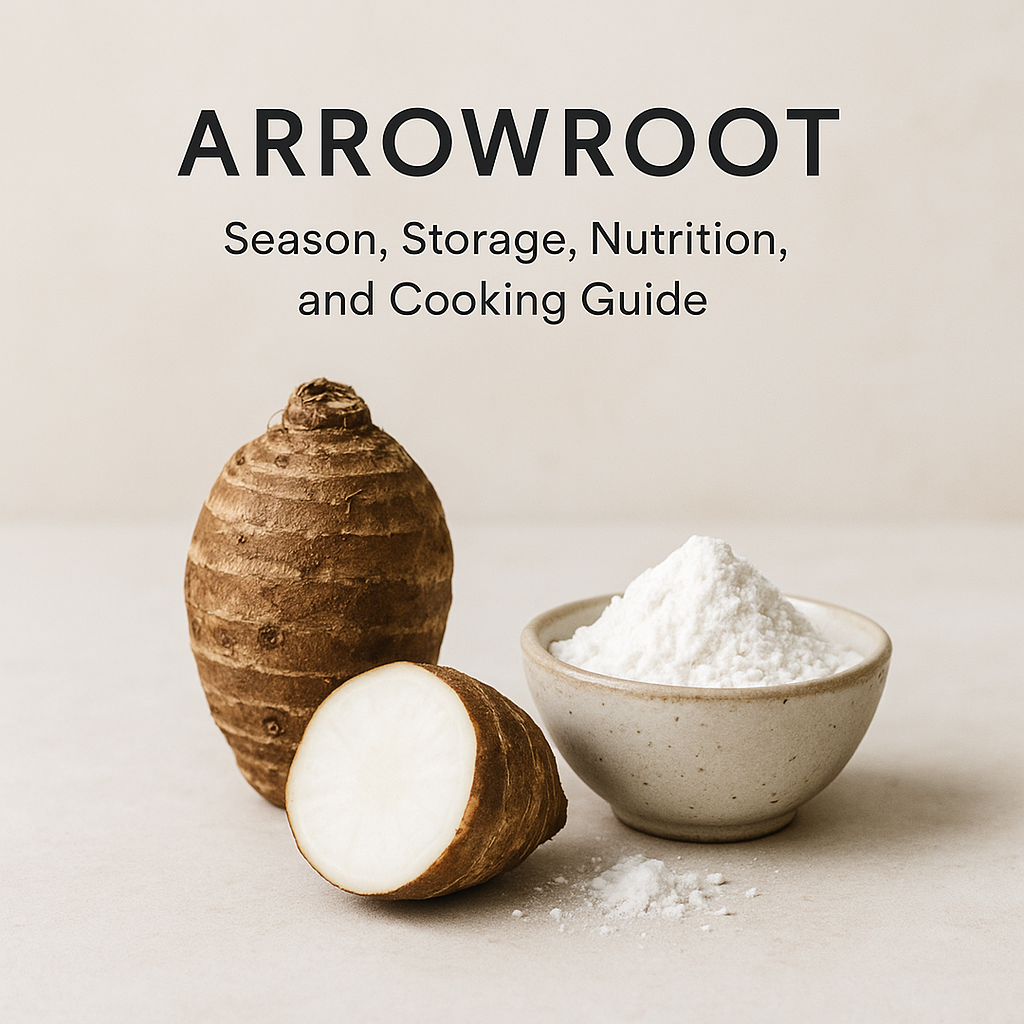
Arrowroot is a tropical tuber, similar in appearance to other root vegetables. It is known for its fine texture and its ability to be converted into a white, powdery starch often used as a thickener for sauces and soups. Arrowroot starch is prized for its neutral flavor, making it an ideal addition to dishes without altering their taste. The root itself can be boiled, roasted, or used as a flour substitute in various recipes, making it a versatile ingredient in both sweet and savory dishes.
💪 Benefits
Arrowroot offers a range of benefits that extend beyond its culinary uses. It is an excellent source of starch, providing a gluten-free alternative for those with dietary restrictions. The starch derived from arrowroot contains B-complex vitamins, which play a crucial role in maintaining energy levels and supporting metabolic functions. Furthermore, arrowroot is low in calories, making it a favorable option for those looking to maintain a healthy weight.
🌍 Origin
Native to South America, arrowroot has been cultivated for centuries and spread to various tropical regions around the world. It is predominantly grown in countries such as Brazil, Philippines, and India. The tuber thrives in humid climates, which provide the necessary conditions for its growth and development. With its historical roots in indigenous cultures, arrowroot has played a significant role in traditional diets and continues to be cherished for its culinary versatility.
📅 Harvest Season
The harvest season for arrowroot typically occurs from late summer to early winter, depending on the climate and growing conditions. The plant requires a warm climate for optimal growth, and its tubers are usually harvested once the foliage turns yellow. Commercial cultivation ensures a steady supply of arrowroot throughout the year, but the peak season is often considered to be between August and February, when its flavor and texture are at their best.
🧺 Varieties
Arrowroot encompasses several species, but the most common variety used for culinary purposes is Maranta arundinacea. This species is known for its high-quality starch and is often simply referred to as "arrowroot." Other species, like Tacca leontopetaloides (Polynesian arrowroot) and various members of the genus Canna, also produce similar starches but with slightly different properties. Each variety offers unique characteristics that may influence their culinary application, though the differences are typically subtle.
🛒 How to Choose (Checklist)
- Appearance: Look for firm, unblemished tubers free from soft spots or mold. The skin should be smooth and consistent in color.
- Weight: Choose tubers that feel heavy for their size; this indicates freshness and moisture content.
- Smell: Raw arrowroot should have a mild, earthy scent. Avoid any with a sour or off-putting odor.
- Packaging: If purchasing arrowroot starch, ensure the packaging is sealed properly to prevent moisture exposure.
🍽 Cooking & Eating Methods
Arrowroot can be prepared and consumed in a variety of ways. As a starch, it is commonly used as a thickening agent for sauces, gravies, and soups, providing a clear gel-like consistency without the cloudiness of cornstarch. When using arrowroot for baking, it serves as a substitute for flour, especially in gluten-free recipes. The tubers can also be boiled or roasted and incorporated into dishes much like potatoes, offering a neutral canvas for savory seasonings. For desserts, arrowroot adds lightness to puddings and custards, acting as a key ingredient for creamy textures.
❄ Storage Tips
Proper storage is essential for preserving the quality of arrowroot. Fresh arrowroot tubers should be stored in a cool, dark place, ideally in a refrigerator, to maintain their freshness for a few weeks. Once cut or peeled, it is best to use them immediately or store them in a sealed container submerged in water, which should be changed daily. Arrowroot starch should be kept in an airtight container in a cool, dry pantry to prevent moisture from affecting its texture and efficacy. With these storage guidelines, arrowroot and its derivatives can be kept usable for extended periods.
❓ FAQ
Q1: Can arrowroot be used as a replacement for cornstarch in recipes?
A1: Yes, arrowroot can serve as a substitute for cornstarch. It is often preferred for its clear thickening properties and is suitable for acidic sauces or recipes where clarity is desired.
Q2: Is arrowroot suitable for a gluten-free diet?
A2: Absolutely. Arrowroot is naturally gluten-free, making it an excellent choice for those with gluten sensitivities or celiac disease, especially in cooking and baking applications.
Q3: How does arrowroot compare to tapioca?
A3: While both arrowroot and tapioca are starchy and often interchangeable, they derive from different plants. Arrowroot is taken from the Maranta plant, while tapioca comes from cassava. Arrowroot provides a smoother texture and clearer finish when used as a thickening agent.