🍓 Which Fruits Should Not Be Refrigerated: Season, Storage, Nutrition, and Cooking Guide
For many of us, placing fruits in the refrigerator seems like the best way to keep them fresh. However, not all fruits benefit from a chilly environment; some actually thrive when kept at room temperature. This comprehensive guide will explore which fruits should not be refrigerated, providing insights into their characteristics, benefits, origins, and more.
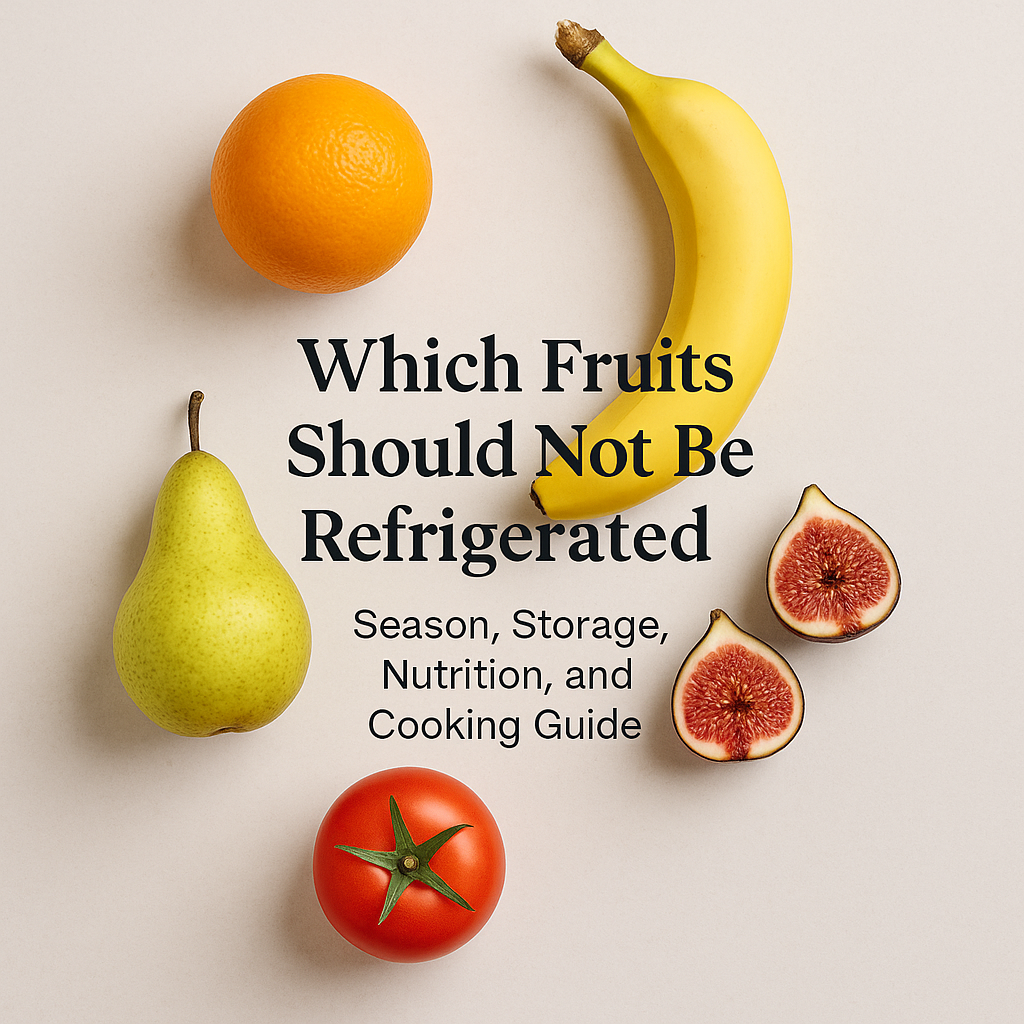
✨ Characteristics
Understanding the natural characteristics of fruits can help in determining how best to store them. Fruits that continue to ripen after being picked generally prefer room-temperature conditions as they emit ethylene gas, which aids ripening. These fruits include bananas, avocados, tomatoes, and stone fruits like peaches and plums.
Fruits with a high water content, like cucumbers and bell peppers, tend to lose flavor and become mushy when refrigerated. Additionally, many tropical fruits originate from hot climates, so cool temperatures might halt their ripening process prematurely.
💪 Benefits
Allowing fruits to ripen naturally at room temperature enhances their nutritional value. For example, tomatoes gain lycopene, an antioxidant, as they ripen. Moreover, non-refrigerated fruits can develop a more robust flavor profile, making them taste significantly better than their refrigerated counterparts.
Keeping fruits unrefrigerated until they reach full ripeness helps in retaining their vitamins and minerals. Often, a vine-ripened tomato or a naturally ripened banana is richer in nutrients compared to those that are picked and stored cold.
🌍 Origin
Many fruits that should not be refrigerated have origins in warm, tropical, or subtropical regions. Bananas originally come from Southeast Asia, where they thrive in warm temperatures. Similarly, mangoes and avocados are native to regions that do not experience cold environments, highlighting their preference for staying out of the refrigerator.
Understanding the origin of these fruits can guide you in providing them an environment similar to their natural habitat, thus preserving their flavors, textures, and nutritional profiles.
📅 Harvest Season
Fruits have specific harvest seasons, which can affect their storage needs. For example, avocados have multiple blooming seasons in different regions, allowing them to be harvested year-round. Stone fruits, like peaches and nectarines, are typically harvested in the summer months and can be stored at room temperature to ripen.
Being aware of the harvest season of fruits can help you decide when and where to buy them, ensuring that they are at their freshest. Buying seasonal fruits can also support local agriculture and reduce carbon footprints from transportation.
🧺 Varieties
There are numerous varieties for each type of fruit, and they might have slight differences in storage preferences as well. For example, some tomato varieties, such as cherry tomatoes, are more resistant to temperature-induced flavor loss compared to their larger counterparts. Similarly, certain banana types like the red banana have different ripening nuances than the common Cavendish variety.
Exploring different varieties can revolutionize your taste and storage experiences with fruit. Try experimenting with heirloom tomato varieties or locally-sourced peaches for a flavorful adventure.
🛒 How to Choose (Checklist)
- Ripeness: Choose fruits that are firm but give slightly to pressure. Avoid those with cuts or blemishes.
- Smell: A fragrant aroma is a good indicator of ripeness, especially for fruits like melons and mangoes.
- Color: Color can be an indication of ripeness; look for vibrant hues without too much green for fruits like bananas and peaches.
- Stem Condition: The stem area should be fresh, not withered or dry, which indicates freshness in fruits like tomatoes and avocados.
🍽 Cooking & Eating Methods
At room temperature, ripe tomatoes can be crafted into sauces, salsas, or eaten fresh in salads. Avocados are perfect for guacamole or spreading on toast. Peaches and plums make excellent additions to desserts or can be enjoyed as a fresh snack.
Additionally, certain fruits, when kept at room temperature, can serve as flavorful additions to main courses. Grilled peaches or apricots, for instance, pair wonderfully with savory meat dishes.
❄ Storage Tips
Understanding optimal storage conditions is crucial for preserving the quality of your fruit. Most tropical and climacteric fruits should be left to ripen on the counter. Keep them in an airy basket rather than packed to allow ethylene gas to help in the natural ripening process. Once ripe, fruits like peaches can be refrigerated but should be allowed to reach room temperature before consumption for the best flavor.
For tomatoes, storage with the stem side up helps minimize bruising. Keep them in a single layer to prevent crushing and promote even ripening.
❓ FAQ
- Can storing bananas in the refrigerator ruin them? Yes, placing bananas in the refrigerator can disrupt their ripening process and may cause their skin to turn black and affect the texture.
- Why do some fruits lose flavor in the fridge? The cold temperatures can interfere with the enzymes that develop during the ripening process, leading to a less flavorful fruit.
- Is it safe to store apples outside the fridge? Yes, apples can be stored at room temperature for a short while; however, the refrigerator can extend their shelf life significantly after they have ripened.