🍓 How to Store Vegetables Properly: Season, Storage, Nutrition, and Cooking Guide
Properly storing vegetables is key to maintaining their freshness, flavor, and nutritional value. From understanding their unique characteristics to choosing the right storage method, this comprehensive guide will help you maximize the potential of your produce. Whether you're a seasonal cook or a culinary craftsman, understanding these vital tips will ensure that you enjoy your vegetables at their peak.
✨ Characteristics
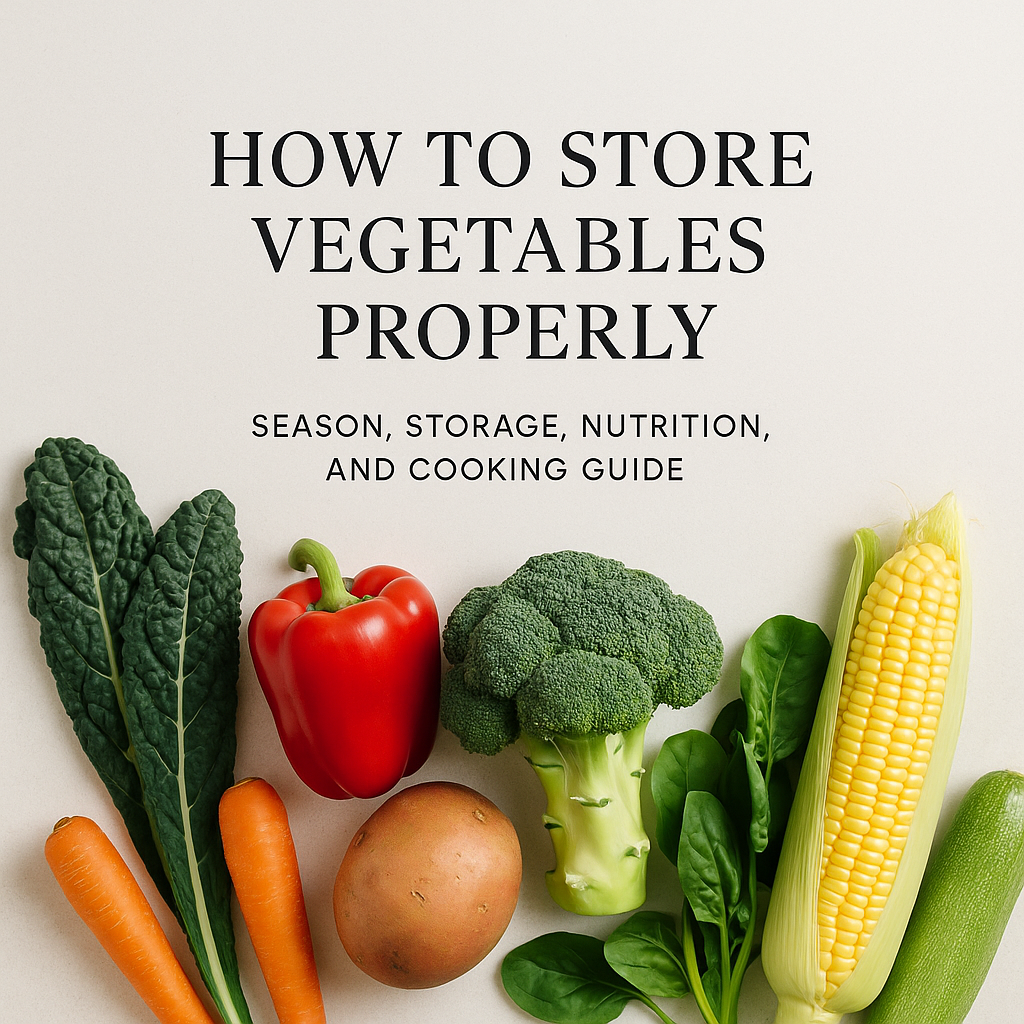
Vegetables are a diverse group of foods that come in a variety of shapes, sizes, colors, and flavors. From leafy greens like spinach to root vegetables such as carrots, each type of vegetable possesses unique characteristics. Leafy greens like lettuce have high water content and are often delicate, whereas root vegetables are denser and more robust. The diversity amongst vegetables not only impacts the cooking method but also the storage technique necessary to keep them fresh.
💪 Benefits
Vegetables are a cornerstone of a balanced diet, offering a wealth of nutrients necessary for health and well-being. They're generally low in calories but high in vitamins, minerals, and dietary fiber. Consuming a variety of vegetables can help support immune function, improve digestion, and reduce the risk of chronic diseases like heart disease and cancer. Eating a colorful assortment ensures you get a broad spectrum of nutrients and antioxidants.
🌍 Origin
The origin of vegetables is as diverse as the vegetables themselves. Many vegetables are native to specific regions worldwide and have traveled extensively, integrating into various cuisines. For instance, tomatoes originated in South America but are now a staple in Italian cooking. Understanding the origin of vegetables not only enhances cultural appreciation but can also influence which varieties may thrive in your local environment if you are a gardener.
📅 Harvest Season
Each vegetable has its own growing season that affects both its availability and quality. Spring welcomes tender greens like asparagus and peas, while summer boasts an abundance of zucchini and tomatoes. Meanwhile, hearty root vegetables such as potatoes and pumpkins make their debut in the fall. Identifying the peak season for vegetables can guide you to choose fresher produce and enjoy better flavor and nutrition.
🧺 Varieties
The vegetable world is rich in variety. Take tomatoes, for example; from cherry to beefsteak, the types available differ in taste, texture, and size. Potatoes also offer a spectrum with options like russet, sweet, and purple. This diversity allows for an exciting exploration in cooking, as different varieties may be suited to different types of cuisine or cooking methods, such as grilling, roasting, or steaming.
🛒 How to Choose (Checklist)
- Freshness: Look for vibrant color and crisp texture.
- Size: Uniform size can indicate more even ripening.
- Smell: A fresh vegetable should have a pleasant aroma.
- Skin: Check for no blemishes or cracks.
- Weight: Heavier vegetables for their size often have more water content and are fresher.
🍽 Cooking & Eating Methods
Cooking methods can significantly alter the nutritional content of vegetables. Steaming or microwaving tends to preserve the most nutrients, whereas boiling can lead to nutrient loss. Roasting brings out natural sweetness and adds depth of flavor, while grilling provides a smoky taste. Raw consumption retains all nutrients and enzymes, making salads perfect for a fresh approach. Understanding the appropriate method for each type of vegetable can enhance your culinary experience and ensure your food is both flavorful and nutritious.
❄ Storage Tips
Proper storage extends the shelf life of vegetables, retaining flavor and nutrients. Here are key tips for optimal storage:
- Refrigerate: Items like leafy greens and cruciferous vegetables (e.g., broccoli) last longer when kept cold.
- Avoid Refrigeration: Tomatoes and potatoes do better in cool, dry places, as refrigeration can alter their texture.
- Airflow: Air circulation helps prevent moisture accumulation which can lead to spoilage.
- Separate ethylene-producing produce: Some vegetables emit ethylene gas, which can cause others to overripen; keep these separate.
❓ FAQ (3 questions)
- Why do leafy greens wilt so quickly, and how can I prevent it?
Leafy greens contain high water content which evaporates, causing wilting. Store them in airtight containers or breathable produce bags to maintain moisture. - Can I freeze all types of vegetables?
While many vegetables freeze well, some like lettuce and cucumbers do not. They have high water content and become mushy when thawed. - Is it safe to eat vegetables with slight blemishes or spots?
Minor blemishes can be cut away, and the rest of the vegetable is generally safe to eat, provided there are no signs of mold or extensive spoilage.