🍓 Spring Seasonal Fruits and Vegetables: Season, Storage, Nutrition, and Cooking Guide
As the chill of winter fades away and nature begins to wake up, the fresh, vibrant produce of spring emerges. This season brings with it an abundance of fresh fruits and vegetables, each boasting unique flavors and nutritional benefits. Discover the rich tapestry of spring's bounty in this comprehensive guide exploring their characteristics, benefits, origins, harvest seasons, varieties, selection tips, culinary uses, storage advice, and frequently asked questions.
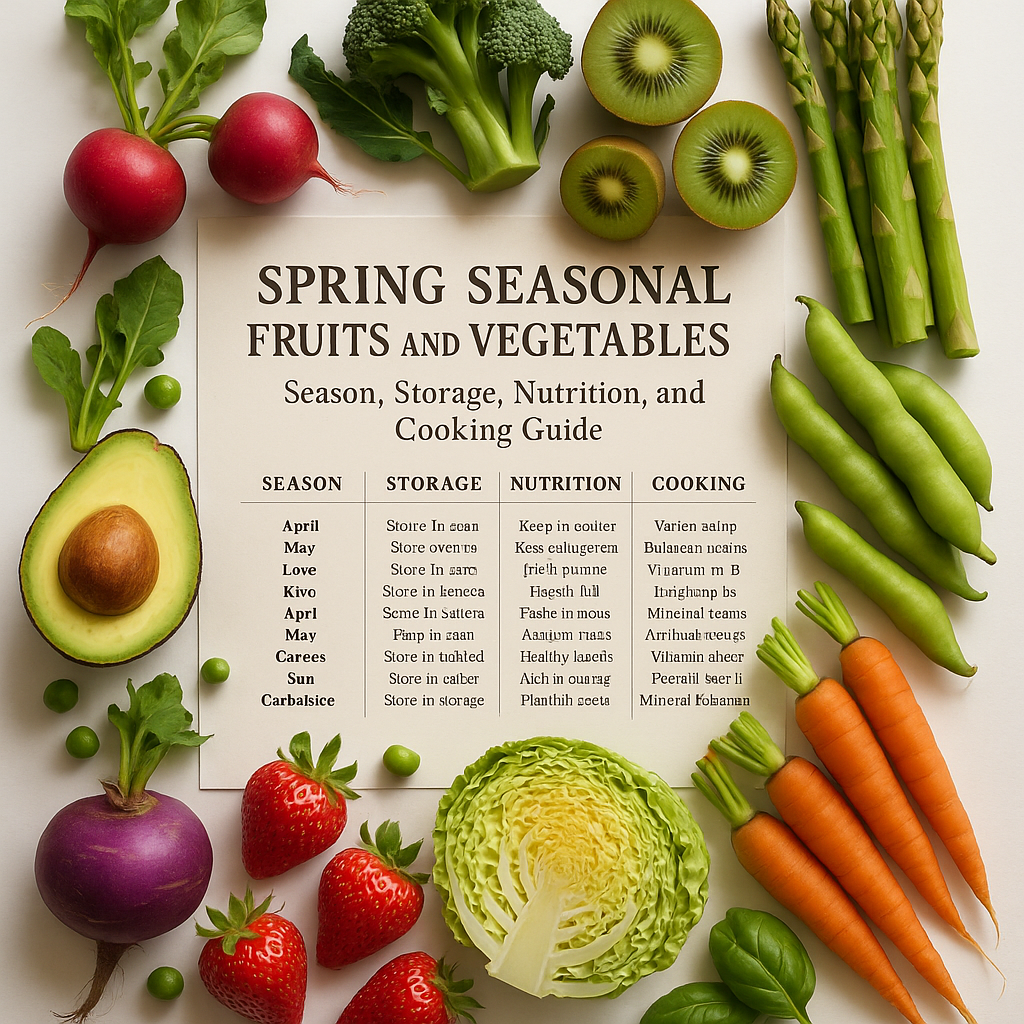
✨ Characteristics
Spring seasonal produce is renowned for its vibrant colors and refreshing tastes. This produce typically includes tender greens, sweet berries, and crispy vegetables, all of which are characterized by their short shelf life compared to the heartier produce of the colder months. Spring fruits and vegetables are often lighter and can be consumed raw or lightly cooked.
Some common spring fruits include strawberries, apricots, and cherries, while vegetables like asparagus, peas, and artichokes make their appearance around this time. The soft textures and subtle flavors of these produce items make them a favorite in salads and highlight their versatility in various dishes.
💪 Benefits
Consuming a diet rich in spring fruits and vegetables comes with a plethora of benefits. These seasonal delights are packed with essential vitamins, minerals, and antioxidants that facilitate overall health. For instance, the high water content in many spring produce items aids in hydration, while their fiber content supports digestive health.
Nutrient-rich greens such as spinach and arugula provide vitamins A and C, crucial for immune function and skin health. Berries like strawberries are rich in antioxidants that combat inflammation and may reduce the risk of chronic diseases. Similarly, vegetables like asparagus offer excellent sources of folate and vitamin K, supporting proper cellular function and bone health.
🌍 Origin
Many spring fruits and vegetables have been cultivated for centuries across different regions of the world. Strawberries, for instance, are native to North America but are now grown widely across Europe and Asia. Asparagus is believed to have originated in the eastern Mediterranean and was used as both a food and medicinal plant by ancient Romans.
Peas have been cultivated in the Middle East for thousands of years and spread to Europe and Asia, where they are now a staple in many springtime meals. Artichokes, native to the Mediterranean, have been consumed since ancient Greek and Roman times and continue to be popular due to their unique taste and nutritional profile.
📅 Harvest Season
The harvest season for spring produce starts as early as March and can extend into June, depending on the climate and specific region. This season marks the end of the winter dormancy and the beginning of active growth. In warmer climates, the harvesting window can open earlier, whereas cooler regions might experience later harvests.
Strawberries are usually the first to be harvested, often starting in late March or early April. Asparagus can appear as soon as the soil warms, typically from April to June. Peas and various greens rapidly fill the markets in April and May. The peak season offers the most flavorful and nutrient-dense options, making it the best time to enjoy them.
🧺 Varieties
Spring is a time of variety and abundance, offering an impressive array of fruit and vegetable options. Strawberries, for instance, have numerous cultivars such as June-bearing, everbearing, and day-neutral types, each providing different flavors and uses.
Asparagus varieties range from the common green to purple and white types, each enjoying distinct preparations and nutritional benefits. Peas come in various forms, including garden peas, snow peas, and snap peas, each utilized differently in culinary contexts. Explore these different varieties to appreciate the full spectrum of flavors spring has to offer.
🛒 How to Choose (Checklist)
Choosing the freshest produce is crucial to maximizing the nutritional benefits and flavors of spring's offerings. Here’s a handy checklist to help you select the best:
- Look for vibrant colors: Bright, deep color indicates ripeness and nutrient density.
- Check for firmness: Especially with fruits, a gentle squeeze should reveal firmness without being hard or overly soft.
- Inspect for blemishes: Avoid produce with cuts, bruises, or discoloration.
- Smell the produce: A fresh, natural aroma is a good indicator of quality, especially for fruits like strawberries.
- Buy local: Whenever possible, opting for locally sourced produce supports freshness and sustainability.
🍽 Cooking & Eating Methods
The culinary versatility of spring fruits and vegetables allows for a wide range of preparation methods. Tender greens like spinach and arugula are perfect for fresh salads or can be sautéed with a bit of garlic for added flavor. Asparagus, often grilled or roasted, pairs beautifully with lemon and Parmesan cheese.
Strawberries are delicious eaten fresh, blended into smoothies, or used as a topping for desserts. Peas can be boiled, steamed, or added to stir-fries and pasta dishes for a sweet, starchy element. The mild flavor profiles of these spring specialties make them ideal for experimenting with herbs and spices to enhance their natural flavors.
❄ Storage Tips
Proper storage of spring produce is essential to prolong freshness and prevent spoilage. Most fruits and vegetables should be stored in the refrigerator to maintain their quality.
- For berries: Store them unwashed in a breathable container lined with paper towels to absorb excess moisture.
- For asparagus: Trim the ends and place the stalks upright in a glass with a little water; cover with a plastic bag.
- For leafy greens: Wash and dry thoroughly, then store in a sealed container with a damp paper towel to provide humidity.
By following these storage tips, you can enjoy the heightened flavors of spring produce for an extended period.
❓ FAQ (3 questions)
Q: What are the health benefits of eating spring produce?
A: Spring produce often contains vitamins, minerals, and antioxidants that boost overall health, support immune function, and promote hydration.
Q: How can I tell if spring produce is fresh?
A: Look for bright colors, firmness, lack of blemishes, and a fresh, natural aroma. Following these guidelines will help you select the freshest produce.
Q: Can spring produce be frozen for later use?
A: Yes, many spring products like peas and fruit can be successfully frozen. Blanch vegetables before freezing and store fruits in airtight containers to maintain quality.