🍓 Best Vegetables by Season: Season, Storage, Nutrition, and Cooking Guide
Eating seasonally is a great way to enjoy fresh flavors and maximize the nutritional value of vegetables all year round. This guide covers the best vegetables by season, exploring their characteristics, benefits, varieties, and more to help you make the most of these nutritious powerhouses.
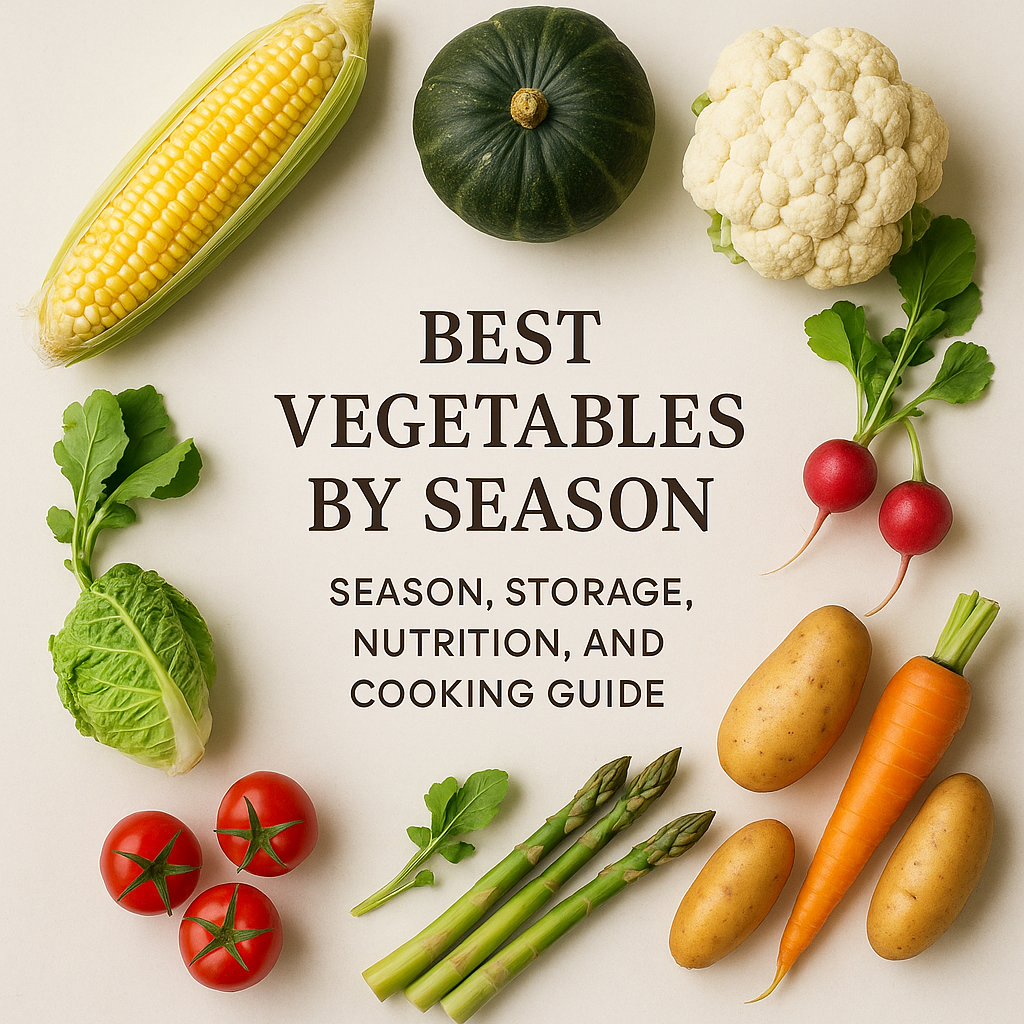
✨ Characteristics
Vegetables come in varied shapes, sizes, colors, and tastes, making them an essential part of any diet. Whether crunchy, leafy, or root-based, each vegetable offers unique textures and flavor profiles. Seasonal vegetables, grown naturally in suitable climates, often boast superior taste and freshness compared to those grown in artificial conditions. Identifying and appreciating these characteristics enables us to select produce that not only supports our health but tantalizes our taste buds.
💪 Benefits
Incorporating seasonal vegetables into your diet brings numerous benefits. Fresh vegetables are often richer in vitamins, minerals, and antioxidants, supporting overall health, including immune and digestive functions. They can help lower the risk of chronic diseases, provide energy, and contribute to skin, eye, and bone health. Eating with the seasons also encourages a varied diet, ensuring you consume a range of essential nutrients throughout the year.
🌍 Origin
The origin of seasonal vegetables is closely linked to climate and geography. Each vegetable's growth is optimized in specific environmental conditions, forming the basis of local agricultural practices. For example, root vegetables thrive in cold conditions, making them prevalent in winter, whereas juicy summer vegetables like tomatoes and bell peppers flourish in warmer, sunnier climates. Understanding the origin can enhance appreciation for the diversity of flavors and cultural culinary traditions that vegetables offer.
📅 Harvest Season
Vegetables have distinct harvest seasons, which dictate their natural growing periods. Here’s a breakdown of vegetables by season:
- Spring: Asparagus, radishes, peas, and rhubarb.
- Summer: Cucumbers, tomatoes, eggplants, and bell peppers.
- Autumn: Pumpkins, sweet potatoes, beets, and kale.
- Winter: Cabbage, carrots, Brussels sprouts, and turnips.
🧺 Varieties
Each vegetable comes in numerous varieties, each offering unique flavors and nutritional benefits. Take tomatoes as an example: they range from cherry and heirloom varieties to beefsteak, all differing in taste and texture. Similarly, cabbage has variations such as red, savoy, and napa. Discovering and experimenting with different varieties can broaden culinary horizons and enhance meals.
🛒 How to Choose (Checklist)
Selecting the best vegetables requires attention to detail:
- Check for Freshness: Look for vibrant colors and avoid wilting or discoloration.
- Feel: Firmness is often a good indicator of freshness.
- Smell: Fresh vegetables should have a neutral or subtly fragrant aroma.
- Local or Organic: Prioritize these options as they are often fresher and more sustainably grown.
🍽 Cooking & Eating Methods
Cooking vegetables in various ways can enhance their taste while preserving nutrients:
- Raw: Enjoy leafy greens and crunchy vegetables in salads or as snacks.
- Steamed or Boiled: These methods are suitable for retaining nutrients, especially for root vegetables.
- Grilled or Roasted: Brings out sweetness and adds a delightful texture. Great for vegetables like peppers and zucchinis.
- Sautéed or Stir-fried: Quickly cooked in a little oil, maintaining both taste and nutrition, excellent for leafy greens.
❄ Storage Tips
Proper storage preserves the freshness and nutritional quality of vegetables:
- Refrigeration: Most vegetables last longer when stored in a refrigerator crisper drawer.
- Root Cellar: Ideal for root vegetables such as potatoes and carrots, keeping them cool and dark.
- Airtight Containers: Allow leafy greens to remain crisp and fresh.
- Avoid Contamination: Keep vegetables separated from raw meat and other potential contaminants.
❓ FAQ (3 questions)
1. What are the best vegetables to eat in winter?
Winter vegetables like cabbage, carrots, and Brussels sprouts are packed with nutrients such as vitamin C and fiber, making them great choices for the colder months.
2. Can I store vegetables outside the fridge?
Yes, certain vegetables like onions, potatoes, and squash can be stored in a cool, dry place outside the fridge.
3. How can I tell if a vegetable has gone bad?
Signs of spoilage include off-putting smells, excessive softening, discoloration, or visible mold. It is best to discard any vegetables that have any of these signs.