How to Store Mushrooms: Why Paper Bags Work Better Than Plastic
Stop Wasting Mushrooms with This Simple Understanding
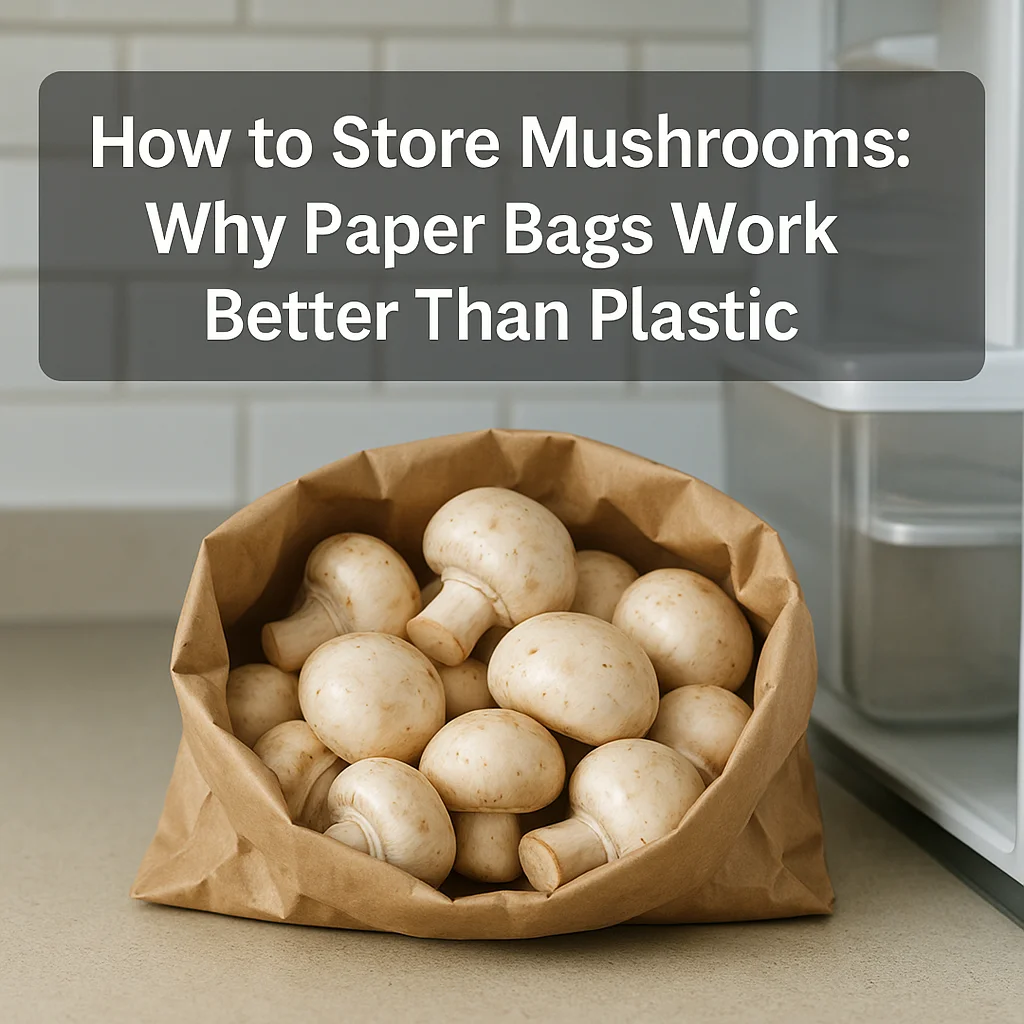
We've all been there—buying a box of fresh mushrooms only to find them slimy and spoiled a few days later. The culprit is usually improper storage: plastic bags. Plastic traps moisture, leading to faster mold growth and the dreaded slimy texture. But don't worry; making a simple switch can save both your mushrooms and your money.
Fast Rules for Storing Mushrooms
- Use paper bags instead of plastic to allow mushrooms to breathe.
- Store mushrooms in the fridge, ideally in a humidity-controlled drawer.
- Don't wash mushrooms before storage; moisture accelerates spoilage.
- Keep unwashed mushrooms to minimize surface damage.
- Avoid storing mushrooms near ethylene-producing fruits like apples.
- Check for any mold or slime before use; discard if necessary.
- Avoid temperature fluctuations to prevent condensation inside packaging.
- Refrigerate mushrooms at a consistent cool temperature.
- Leave the bag slightly open to promote airflow.
Buying Checklist: Picking the Right Mushrooms
Choose mushrooms with these qualities, while avoiding common pitfalls:
- Firmness: Look for mushrooms that are firm to the touch.
- Color: Opt for even-colored mushrooms without dark spots.
- Smell: Fresh mushrooms should have an earthy aroma.
- Surface: Avoid mushrooms that are bruised or slimy.
- Packaging: Buy loose or in breathable packaging, not sealed plastic.
The Real Fix: Step-by-Step Solution
Goal: Keep mushrooms dry but not dehydrated, ensuring freshness and longevity.
- Purchase wisely: Choose fresh, firm mushrooms without blemishes or excess moisture.
- Transfer immediately: Move mushrooms from their store packaging into a paper bag.
- Spot the difference: Ensure the paper bag is not wet to prevent mold growth.
- Leave a gap: Don’t seal the paper bag completely to allow air circulation.
- Find the right spot: Place the bag in the refrigerator's main compartment.
- Separate types: Store different varieties of mushrooms in different bags to avoid flavor mixing.
- Avoid ethylene: Keep away from ethylene-producing fruits like apples and bananas.
- Monitor daily: Check for signs of spoilage like slime or an off smell and discard if necessary.
- Moisture control: If needed, add a dry paper towel to the bag to absorb excess moisture.
- Handle gently: Avoid rough handling, which can bruise and speed spoilage.
- Avoid the fridge back: Do not place near the cold back, which could freeze them.
- Use within a week: For best quality, use mushrooms within 5 to 7 days of purchase.
- If mushrooms look dry → Mist lightly with water • Caution: not too much!
- If you see condensation → Open the bag more for airflow • Avoid water buildup.
- If a mushroom seems slimy → Remove immediately • Prevent spread to others.
- If fridge is too humid → Set humidity drawer to low • Counter moisture accumulation.
- If fridge is too dry → Use a partially sealed high humidity drawer • Balance the environment.
- If one mushroom has mold → Discard it quickly • Check the others for spread.
- If odor is off → Use mushrooms quickly or discard • Trust your senses.
The 15–20 Minute Weekly Prep Routine
- Inspect: Sort through your mushrooms weekly, removing any with signs of mold.
- Trim: Cut off any damaged parts, which can speed up spoilage for the rest.
- Re-bagging: Transfer to a fresh paper bag if necessary to manage moisture.
- Plan meals: Prioritize using up mushrooms that are closer to their spoilage point.
If I only had 2 minutes
- Quickly scan for and remove any bad mushrooms.
- Rotate the bagged mushrooms to ensure even air exposure.
If your fridge is weird: If your fridge runs too dry, think about adding a damp paper towel to the bag. If it's too humid or the back wall often freezes items, relocate bag closer to the fridge door.
Common Mistakes to Avoid
- Storing in plastic: Causes moisture buildup → Switch to paper bags.
- Leaving out of the fridge: Leads to faster spoilage → Always refrigerate.
- Washing before storing: Introduces moisture → Wait until you're about to cook.
- Ignoring mold: Can contaminate good mushrooms → Remove bad ones quickly.
- Overloading the fridge drawer: Restricts airflow → Space them out.
- Storing with fruits: Ethylene exposure → Keep them separate.
- Not inspecting regularly: Leads to unnoticed spoilage → Check frequently.
- Crowding mushrooms: Promotes faster spoilage → Give them space.
- Ignoring fridge settings: Improper conditions → Adjust humidity and temperature.
- Rough handling: Causes bruising → Handle gently.
Food Safety Notes
Always wash mushrooms just before use, never before storage. If mushrooms develop a slimy texture, off smell, or mold, it's best to discard them. It's better to err on the side of caution when it comes to food safety.
Quick Storage Table
| Produce | Best Storage | What to Avoid | Typical Problem | Quick Fix |
|---|---|---|---|---|
| Mushrooms | In a paper bag in the fridge | Closed plastic bags | Moisture buildup and slime | Switch to paper, keep dry |
FAQ
- What is the best way to store mushrooms? Use a paper bag in the fridge to enable airflow and limit moisture.
- Why do mushrooms get slimy in plastic bags? Plastic traps moisture, which creates an environment for mold and slime.
- Should I wash mushrooms before storing? No, wash them just before use to avoid adding moisture that speeds spoilage.
- Can I store mushrooms with fruits? It's best to avoid it, as ethylene from fruits can hasten spoilage.
- How long do mushrooms last in the fridge? With proper storage in a paper bag, they can last up to a week.
- How can I tell if mushrooms have gone bad? Check for a slimy texture, unpleasant smell, or visible mold.
- What should I do with moldy mushrooms? Discard moldy ones to prevent contamination.
- Are all types of mushrooms stored the same? Generally, yes. But keep different varieties separate to maintain flavor profiles.
Closing Tips for Saving Money
- Always store mushrooms in paper, not plastic, to prolong freshness.
- Regularly inspect mushrooms to prevent spread of spoilage.
- Keep them in a stable, cool environment with proper airflow.
Embrace these strategies, and you'll find fewer mushrooms in your trash and more in your favorite dishes. Happy storing!
For more storage tips and produce pairing, visit our full guide list or check out our tips on storage, shelf life, and ethylene pairing.