Why Seasonal Produce Tastes Better: Flavor, Price, and Freshness Explained
Hook: A Real-Life Waste/Frustration Scenario + The Real Reason It Happens
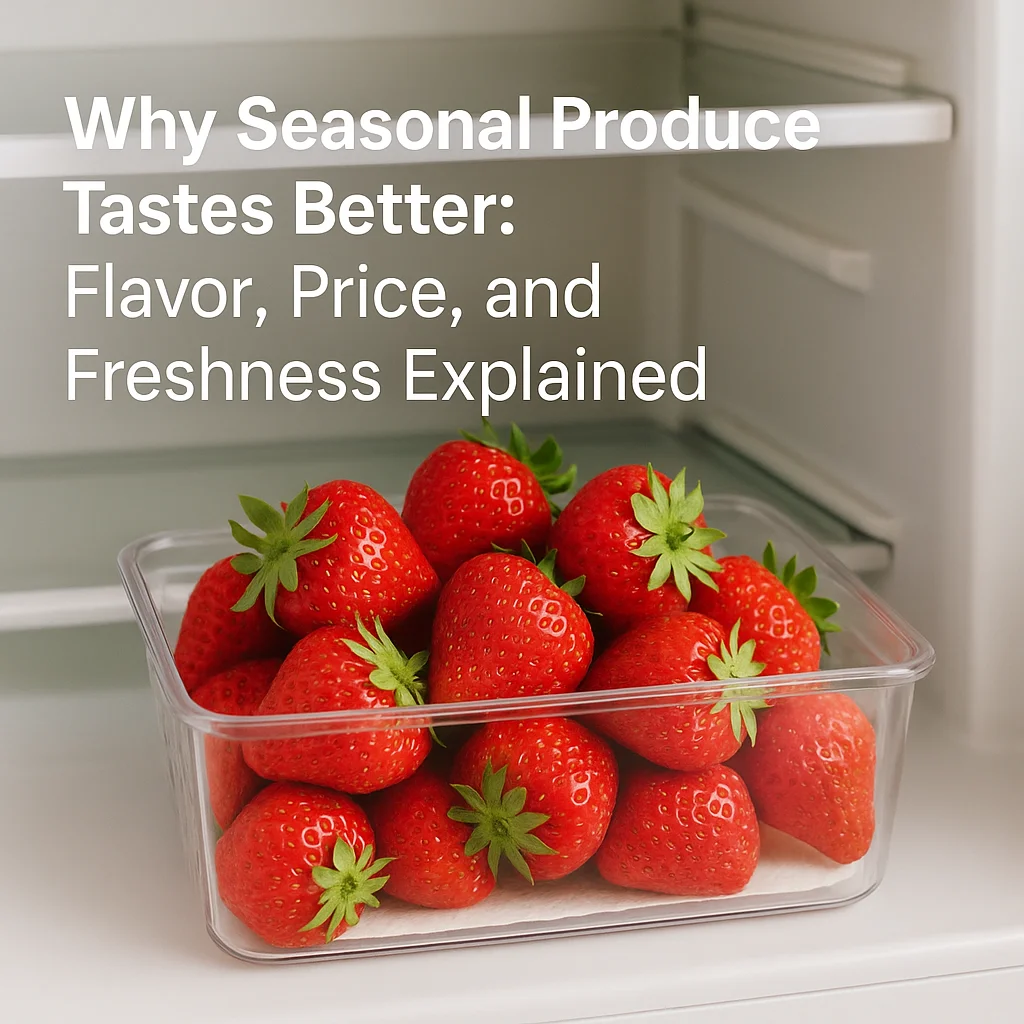
Ever bought a batch of strawberries in winter only to find them bland and moldy within days? This common frustration stems from attempting to enjoy produce outside its natural growing season. Out-of-season produce often travels long distances, accumulating moisture and surface damage that speed up spoilage. Additionally, being picked before reaching peak ripeness can lead to flavor loss.
Fast Rules: 7–10 Bullets (Ultra Actionable)
- Select seasonal options by referencing a produce calendar for your region.
- Avoid pre-packaged produce with condensation inside the bag.
- Store fruits separate from vegetables to avoid ethylene damage.
- Keep produce in the right fridge drawers—fruits in low humidity, veggies in high.
- Wash only before use to minimize spoilage.
- Use vented containers to reduce moisture build-up.
- Inspect produce for firmness and vibrant color before purchase.
Buying Checklist: How to Choose Good Ones + What to Avoid at the Store
Buying seasonal produce is about making smart choices to maximize flavor and reduce waste. Here's what to keep in mind:
- Visual Check: Look for vibrant colors that indicate freshness. Avoid dull, discolored items.
- Feel: Examine for firmness without excess softness, which can signal overripeness or poor storage.
- Scent: Fresh produce should have a pleasant, mild aroma, not a sour or pungent odor.
- Origin: Whenever possible, choose locally sourced options for shorter transport times.
- Avoid Cuts and Bruises: Surface damage invites bacteria and accelerates spoilage.
The Real Fix: Step-by-Step Solution (MOST IMPORTANT)
The goal is to optimize for freshness and taste while minimizing waste. Follow these steps to store produce effectively:
- Select Quality: Choose firm, bright-colored produce to ensure freshness.
- Minimize Moisture: Store in a vented container or wrap lightly in paper towels to absorb excess condensation.
- Proper Fridge Placement: Use the crisper drawer with the appropriate humidity setting: low for fruits, high for veggies.
- Avoid Temperature Swings: Keep produce in a consistent refrigerator zone to prevent condensation from forming.
- Stage Ripe from Raw: Allow slightly unripe produce to ripen at room temperature before refrigeration.
- Separate Storage: Keep ethylene-producing fruits (like apples) away from ethylene-sensitive vegetables (like spinach).
- Visual Inspection: Regularly check for signs of spoilage like sliminess or browning, and remove affected items.
- Wash Carefully: Rinse produce under cold water before use rather than before storage to prevent mushiness.
If/Then Troubleshooting
- If smells bad, then it might be overripe—remove it to prevent affecting others.
- If spots appear, then check for excess moisture and dry the container.
- If limited fridge space, then prioritize humidity control for the most sensitive items.
- If leaves wilt, then revitalization with cold water may help. Otherwise, use promptly.
- If outer layers degrade, then remove them and check for freshness inside.
- If in a warm climate, then consider more frequent inspections to catch spoilage early.
- If mold is found elsewhere, then clean shelves and containers to prevent spread.
- If planning long storage, then blanch and freeze suitable vegetables to extend life.
15–20 Minute Weekly Prep Routine
- Plan Purchases: List seasonal produce for the week.
- Inspect and Organize: Check existing produce for freshness, dispose of spoiled items.
- Rinse and Dry: Wash harder produce items, dry thoroughly, and place back with paper towels.
- Prepare Quick-Spoil Items: Slice or chop ready-to-eat portions of soon-to-expire produce and store in airtight containers.
If I Only Had 2 Minutes
- Check fridge drawers for spoilage.
- Quickly rinse and dry the most fragile items.
- Immediately consume overripe produce.
- Refresh paper towels in containers.
If Your Fridge Is Weird: If it's too dry, use a damp paper towel; if too humid, increase air circulation by opening vents.
Common Mistakes (10+): Mistake → Consequence → Fix (Objective and Specific)
- Refrigerating underripe fruit → Flavor loss → Let them ripen out of fridge first.
- Ignoring humidity settings → Fast spoilage → Adjust humidity drawers for specific produce needs.
- Leaving produce in bags → Moisture build-up → Use vented containers to reduce condensation.
- Mixing fruits & veggies → Accelerated aging → Store separately to control ethylene exposure.
- Washing before storing → Increased decay → Wash only when ready to use.
- Not assessing quality pre-storage → Faster spoilage → Inspect before refrigerating; removal improves longevity.
- Overbuying at discounts → Waste through spoilage → Plan meals to match quantities purchased.
- Ineffective crisper use → Mismanaged moisture → Match drawer setting with produce type.
- Ignoring shelf life → Unexpected waste → Label storage dates for better tracking.
- Freezing unsuitable produce → Texture changes → Only freeze compatible items like berries.
Food Safety Notes: Washing Timing + When to Toss (Conservative on Risk)
Washing Timing: Always wash produce thoroughly before consumption to remove potential pesticide residue and contaminants. Avoid washing before storage to limit decay.
When to Toss: Discard produce if mold spots are evident beyond skin surface, odors are sour or off, texture is mushy or slimy, or discoloration appears pervasive.
Quick Table
| Produce | Best Storage | What to Avoid | Typical Problem | Quick Fix |
|---|---|---|---|---|
| Strawberries | In vented container with paper towel in fridge | Washing before storage | Mold growth | Dry thoroughly and change paper towels regularly |
| Spinach | In high humidity drawer | Leaving in plastic bag | Wilted leaves | Transfer to airtight container with dry towel |
| Tomatoes | At room temperature until ripe | Refrigerating too soon | Loss of flavor | Allow to ripen fully on the counter |
FAQ
- Why does seasonal produce taste better? Season-based produce is harvested at peak ripeness, ensuring better flavor and nutrition.
- Does seasonality really affect cost? Yes, local abundance reduces transport and storage costs, reflecting in lower prices.
- How can I tell if produce is seasonal? Consult local farmers’ markets or seasonal produce guides specific to your region.
- What's the best way to store leafy greens? Keep in high humidity fridge drawers, ideally in a container with a damp paper towel to prevent drying out.
- How long do seasonal fruits usually last? Generally, they last around a week, depending on type and storage conditions.
- Can I freeze seasonal produce? Many types like berries and peas freeze well; blanch veggies first for best results.
- Is it okay to buy non-seasonal if it looks good? It can be, but even then, it may lack the depth of flavor available seasonally.
- Are organic options always seasonal? Not necessarily—organic alone doesn't guarantee seasonal freshness.
- What are some examples of ethylene producers? Apples, bananas, and avocados are classic ethylene producers.
- Can I ripen produce in a paper bag? Yes, placing produce like pears and nectarines in a paper bag can speed up ripening.
Closing
- Buy what's in season and local to save money and ensure freshness.
- Utilize proper storage techniques to extend life and reduce waste.
- Stay vigilant with regular inspections to catch spoilage early.
Embrace the natural cycle of produce and you'll not only savor better tasting fruits and vegetables, but you'll also have a greater understanding and appreciation for what nature offers.
Explore our full list of posts or dive into our monthly seasonal guides for more insights.