Spring Produce Guide: Strawberries, Peas, Asparagus + Fresh Prep Ideas
Why Your Spring Produce Goes Bad Too Fast
Ever purchased fresh spring produce like strawberries, only to find them mushy a day or two later? It's a common frustration that happens due to improper storage techniques. Often, moisture causes rapid mold in strawberries, while temperature swings can degrade the quality of peas and asparagus. Understanding these small factors can make a big difference in preserving your produce.
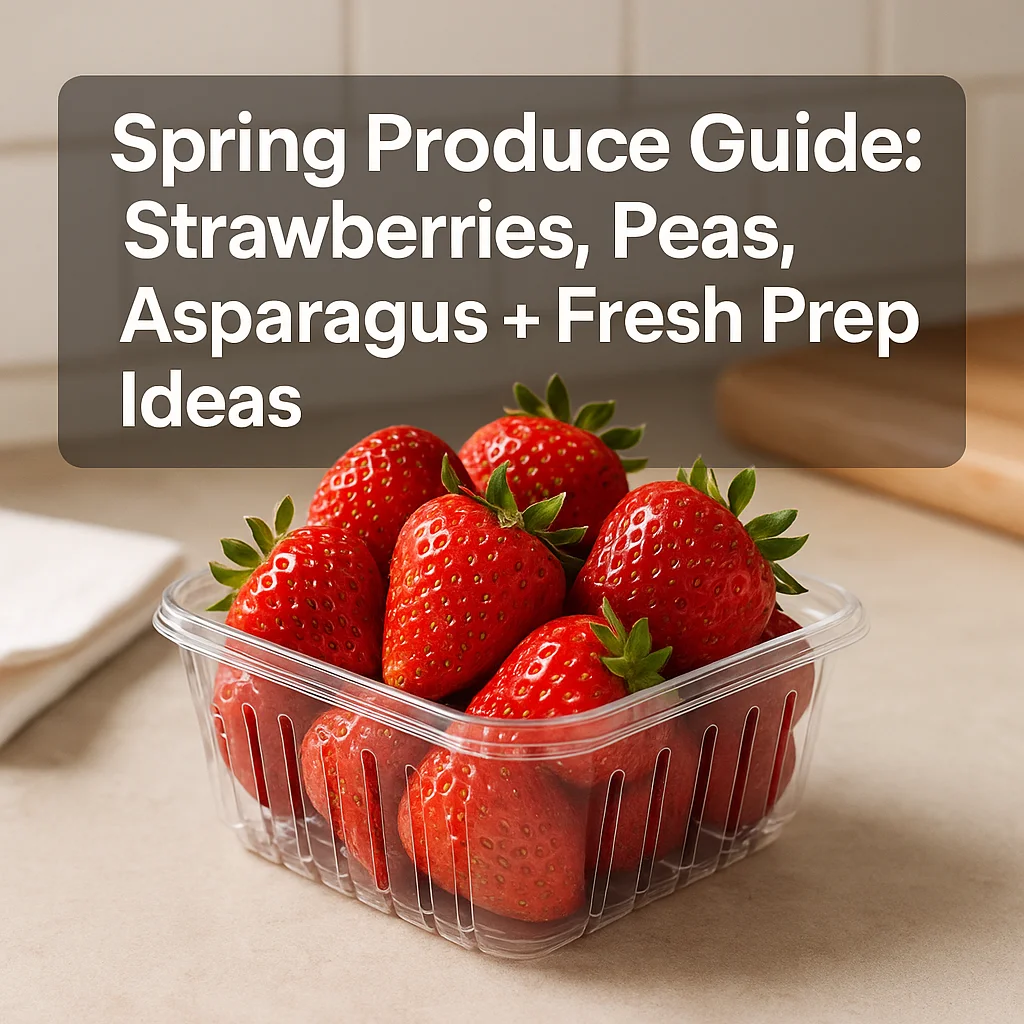
Fast Rules: Keep Your Produce Fresh
- Store strawberries in a partially open container to avoid condensation.
- Keep peas in the crisper drawer to maintain ideal humidity levels.
- Wrap asparagus ends in a damp paper towel to prevent dehydration.
- Use vented bags for storing strawberries to allow air circulation.
- Avoid storing produce near the back of the fridge to prevent freezing.
- Don’t wash produce until right before use to extend shelf life.
- Check for signs of spoilage such as sliminess, mold, or off-smells promptly.
Selecting the Best: Buying Checklist for Spring Produce
Knowing what to look for while shopping can save you from choosing less-than-perfect produce.
- Strawberries: Choose firm, brightly colored berries with a fresh aroma. Avoid those with white tops or mold.
- Peas: Look for plump pods that are firm and without blemishes. Avoid shriveled or yellowing pods.
- Asparagus: Select spears with closed tips and bright green color. Avoid stalks that are soft or limp.
The Real Fix: Step-by-Step Solution
Aim to maintain the right moisture levels and avoid ethylene gas buildup to keep your produce freshest.
- Strawberries: Remove from plastic packaging immediately. Place in a vented container lined with paper towels. Store in the fridge's crisper drawer.
- Check strawberries daily. If any are soft or moldy, remove them immediately to prevent spreading.
- Peas: Keep peas in a mesh bag or loosely in the crisper drawer. They thrive in moderate humidity.
- If your peas feel dry, a slightly damp paper towel placed nearby can offer some moisture.
- Asparagus: Stand the bunch upright in a glass with a small amount of water. Cover loosely with a plastic bag.
- Change the water for asparagus every two days to prevent bacterial growth.
- All produce: Store away from ethylene-sensitive fruits like apples and bananas.
- Maintain temperature consistency; frequent fridge access can create unwanted warmth.
- Keep the fridge's temperature just below 40°F (4°C) for optimal storage conditions.
- If any produce seems off-smelling or shows visible spoilage, discard immediately.
- If strawberries turn mushy, check fridge temperature and moisture settings.
- If peas feel dull, try adding a damp cloth nearby.
- If asparagus tips are mushy, reduce water in the storage glass.
- If produce freezes, adjust fridge or relocate items.
- If condensation is present, use drier settings or ventilated containers.
- If mold appears, increase ventilation and check humidity.
- If off-smells arise, examine for spoilage and remove affected items.
- If produce ages quickly, relocate away from ethylene-producing fruits.
15–20 Minute Weekly Prep Routine
- Sort through all produce, checking for signs of spoilage.
- Wash only what you plan to use immediately to prevent mold.
- Snip the ends of asparagus and place them in fresh water.
- Re-line containers with fresh paper towels as needed.
- Adjust fridge settings based on previous week's conditions.
- Ensure proper airflow by re-spacing stored items.
If I Only Had 2 Minutes
- Check for and remove any visibly spoiled produce.
- Reposition any items near the back of the fridge.
- Quickly dampen a paper towel and place it with drying peas.
- Ensure asparagus has fresh water and is upright.
If your fridge is weird (too dry/too humid/freezing back wall), you may need to adjust the settings more frequently or consider using different storage hacks like moisture absorbers or liners to manage the humidity better.
Common Mistakes with Spring Produce
- Washing strawberries in advance → leads to rapid mold growth. Fix: Wash just before eating.
- Leaving peas in tight bags → causes condensation. Fix: Use vented bags instead.
- Asparagus in room temp → wilts quickly. Fix: Store in water in the fridge.
- Overpacking fridge → limits airflow. Fix: Create space or declutter.
- Lack of regular checks → unnoticed spoilage. Fix: Incorporate a weekly review.
- Using airtight for strawberries → increases moisture. Fix: Use vented lids.
- Mixing ethylene-sensitive and ethylene-producing goods → accelerates spoilage. Fix: Store separately.
- Ignoring fridge temperature inconsistencies → leads to freezing or warming. Fix: Regular checks and adjustments.
- Infrequent paper towel replacement → excess moisture buildup. Fix: Replace weekly or bi-weekly.
- Not rotating produce → old-first-in stays untouched. Fix: Rotate and prioritize older items.
Food Safety Notes: When to Wash and Toss
Always wash strawberries, peas, and asparagus right before consumption, not after purchase. This prevents premature spoilage from moisture. Toss any produce that has visible mold, off-odors, or is excessively slimy, to avoid foodborne illnesses. Err on the side of caution: when in doubt, throw it out.
Quick Storage Table
| Produce | Best Storage | What to Avoid | Typical Problem | Quick Fix |
|---|---|---|---|---|
| Strawberries | Vented container in crisper | Tight plastic bags | Mold growth | Use a lined vented container |
| Peas | Loose in crisper or mesh bag | Sealed plastic bag | Dryness | Add damp paper towel nearby |
| Asparagus | Upright in water in fridge | Room temperature storage | Wilting | Store upright in water |
FAQ
- How do I know if my strawberries are fresh? Check for bright color, firmness, and fresh scent. Avoid any with visible mold or discoloration.
- Can I store strawberries with other fruits? It's best to store separately to avoid issues with ethylene-sensitive produce.
- Why do my peas turn yellow? Yellowing can occur from ethylene exposure or improper storage. Use the crisper drawer for better results.
- Should I soak asparagus before storing? No, simply snip and place upright in water.
- How often should the asparagus water be changed? Change every two days to prevent bacterial buildup.
- What if individual peas are mushy? Discard them to avoid affecting the rest.
- How can I avoid fridge-caused freezing issues? Avoid placing produce too close to the back and adjust the temperature setting if needed.
- Why use vented containers? They allow for airflow, reducing moisture and preventing mold.
- How soon should produce be consumed? For best taste and quality, consume within a few days of purchase.
- Should I re-line containers regularly? Yes, re-line with fresh paper towels weekly to control moisture levels.
Conclusion
- Maintain appropriate humidity levels to keep your produce fresh.
- Avoid mixing ethylene-sensitive produce with ethylene emitters.
- Practice regular produce checks to prevent unnoticed spoilage.
By following these actionable steps, you can enjoy fresher, longer-lasting spring produce. Happy spring produce storing!
For more detailed seasonal guidance, check out our seasonal guides or explore all our posts here.