March Seasonal Produce Guide: What’s Best + Storage Tips
Struggling with Spoiling Produce? Here's Why It Happens
We've all been there: you buy a fresh bag of spinach or a batch of strawberries, only to find them wilted or moldy just days later. The real culprit is improper storage—temperature swings, moisture buildup, and exposure to ethylene gas, which all accelerate spoilage. Learning how to store your produce correctly not only reduces waste but also maximizes freshness and flavor.
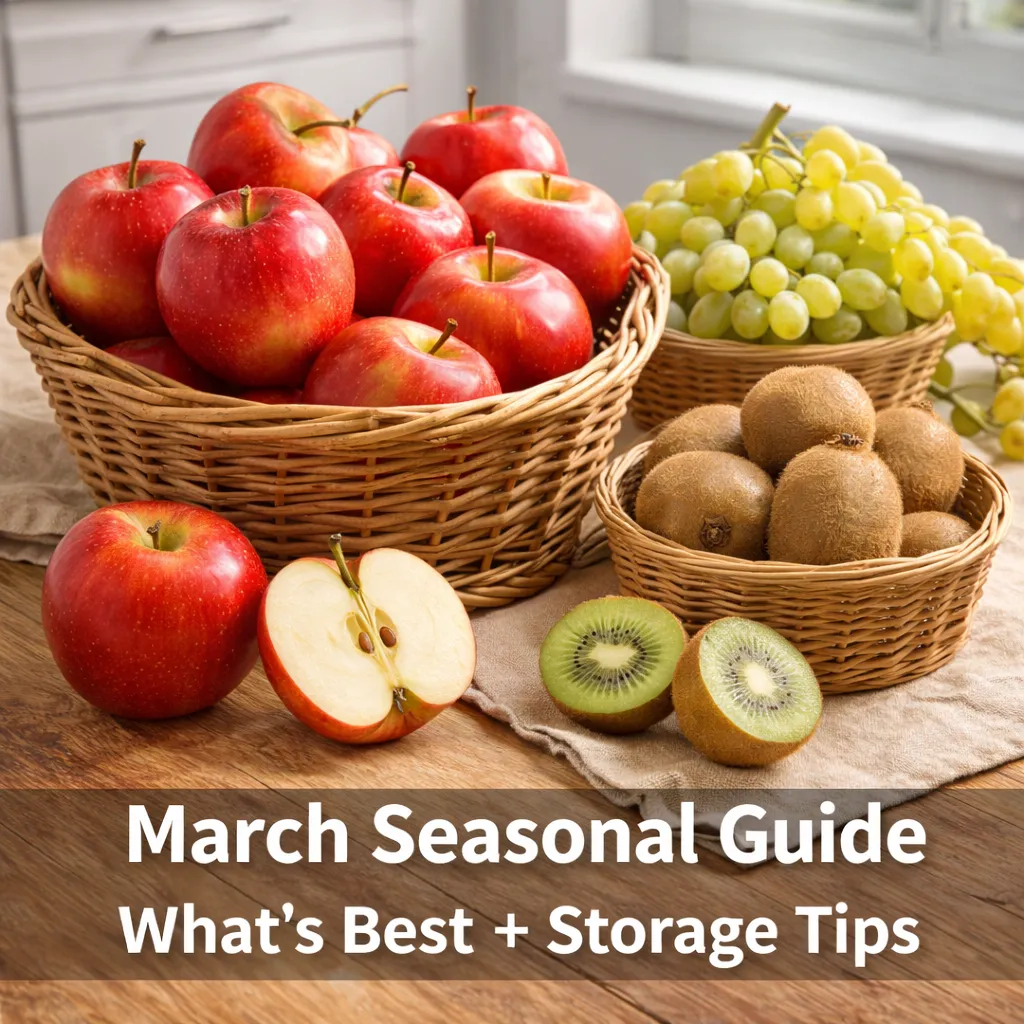
Fast Rules for March’s Fresh Finds
- Store leafy greens in high humidity; use the vegetable drawer.
- Keep berries dry and cool; rinse just before eating.
- Separate fruits that produce ethylene (like apples) from sensitive items (like leafy greens).
- Wrap herbs in a damp paper towel and place in a plastic bag.
- Potatoes and onions should be stored in a cool, dark place—not together.
- Check for condensation inside bags and containers; wipe it out to prevent mold.
- Refrigerate only cut or very ripe fruits to slow down spoilage.
- Use vented containers to allow moisture to escape, avoiding sliminess.
- Root vegetables like carrots should stay dry but cool; keep in perforated bags.
Buying Checklist: Choosing the Best March Produce
Selecting the right produce at the store sets the stage for longer shelf life at home. Here’s what to look for—and what to avoid:
- Apples: Choose firm and fragrant; avoid any with bruises.
- Spinach: Opt for vivid green leaves; skip those with yellow patches.
- Berries: Pick plump, dry, dark-colored berries; steer clear of containers with juice or mold.
- Asparagus: Look for firm stalks with tight tips; avoid stalks that are dry or woody.
- Citrus: Choose shiny, firm fruits; dull skin can indicate dryness.
- Potatoes: Firm with no sprouts; green spots suggest excess light exposure.
The Real Fix: Step-by-Step Storage Solution
The goal is simple: keep produce dry, cool, and separated based on their individual needs.
- Identify Ethylene Producers and Sensitive Items: Keep apples, bananas, and avocados away from ethylene-sensitive produce like leafy greens and berries to avoid transfer that speeds up spoilage.
- Adjust Fridge Drawers: Use high-humidity settings for leafy greens and low humidity for fruits to control moisture levels.
- Inspect and Sort: Check produce for damage before storing; consume damaged items first as they spoil faster.
- Use Airtight Containers: Store cut fruits or very ripe items in airtight containers to protect from moisture and air exposure.
- Vent Berries: Store berries in a vented container with a paper towel at the bottom to absorb excess moisture; this prevents mold.
- Herb Storage: Wrap fresh herbs in a damp paper towel before placing them in a plastic bag to keep them hydrated.
- Potatoes and Onions: Store in a cool, dark place like a pantry; never refrigerate to avoid starch conversion to sugar.
- Monitor for Condensation: Regularly check for and wipe out any condensation inside produce bags to prevent molding.
- If berries look mushy, they may be too moist—check the container’s venting and paper towels.
- If leafy greens wilt, they may need more humidity—adjust drawer settings accordingly.
- If apples or bananas ripen too fast, they are likely near ethylene-sensitive items—separate them.
- If you see green on potatoes, remove from light exposure immediately.
- If asparagus tips go slimy, they may have trapped moisture; try rewrapping in a dry paper towel.
- If citrus skin feels dry, store it in the fridge crisper drawer for longer shelf life.
- If herbs appear limp, soak stems in water before refrigeration for a brief period to refresh them.
15–20 Minute Weekly Prep Routine
- Plan Your Meals: Decide which items you will be using in the next few days to better prioritize them.
- Inspect Produce: Quickly go through your produce for items that should be used first based on ripeness or damage.
- Batch Wash Greens: Wash and dry leafy greens, storing them in a container with a paper towel.
- Check Fridge and Pump Up Storage: Adjust temperature settings and drawer humidity based on current produce needs.
- Queue Your Fruit: If certain fruits are nearing ripeness, plan dishes or snacks around them.
- Utilize Airtight Containers: Store pre-cut vegetables in airtight containers for meal-prep ease.
- Label and Rotate: Use a marker to date your containers to ensure you use them in FIFO (First In, First Out) order.
- Review Container Venting: Ensure containers with holes are in use where needed, particularly for moisture-sensitive produce like berries.
- Store Herbs Properly: Wrap herbs in damp paper towels and store in plastic bags to maintain freshness.
If I only had 2 minutes:
- Prioritize Ripe Items: Place those needing to be used soon at the front of the fridge.
- Ensure Quick Downtime: Make sure all storage units (containers, bags) are closed after every meal prep.
- Snap Test Moisture: Give berries and greens a quick dryness check.
If your fridge is weird (e.g., too dry/too humid/freezes items): Consider using refrigerator thermometers to monitor temperature zones and using external humidity packs or containers with humidity controls to fine-tune storage environments.
Common Mistakes in Produce Storage
- Storing potatoes and onions together → Spoilage acceleration → Keep them apart.
- Refrigerating all fruits → Loss of flavor and texture → Only refrigerate once very ripe.
- Not rinsing berries until use → Mold and rot → Wait to rinse for less moisture presence.
- Using sealed bags for greens → Lack of airflow and sliminess → Opt for vented storage.
- Leaving cut fruits uncovered → Browning and drying out → Use airtight containers.
- Piling bananas on top of each other → Bruising and early browning → Hang or lay flat in singles.
- Ignoring fridge airflows → Cold spots and freeze burn → Use appropriate areas per produce needs.
- Plastic bag storage for long-term → Trapped moisture and accelerated decay → Use paper towel liners and vent.
- Neglecting to check for rot spots → Spreads quickly → Regular inspections and immediate removal.
- Too much packaging → Limited airflow, faster rotting → Simplify or use ventilated storage.
Food Safety Notes
Rinse fruits and vegetables just prior to consumption to minimize chance of mold and bacteria growth. Always discard produce that shows visible mold or unpleasant odors, irrespective of the surface area covered.
Quick Table for March Produce
| Produce | Best Storage | What to Avoid | Typical Problem | Quick Fix |
|---|---|---|---|---|
| Apples | Cool, separate from leafy greens | Ethylene emission closeness | Overripening | Store in a crisper drawer |
| Spinach | High humidity drawer | Low humidity case | Wilting | Keep stored with a damp paper towel |
| Berries | Vented container with dry towel | Moisture retention | Mold | Keep as dry as possible |
| Asparagus | Standing in water; trimmed in fridge | Out of water | Wilted too quickly | Trim cut, keep hydrated |
| Potatoes | Cool, dark and dry | Refrigeration | Sugar conversion | Shift to dark pantry |
FAQ
- Do I need to wash produce before storing it? No, wash only before use to avoid moisture buildup.
- How can I tell if my fridge is too cold for produce? If items regularly freeze, adjust settings or relocate them within warmer sections.
- Can I store all fruit with veggies? Ethylene producers should be separated from sensitive items.
- What's a quick fix for limp herbs? Wrap in damp paper towel or stand stems in water briefly.
- Is condensation a sign of spoiling produce? Yes, wipe away to slow the process.
- Should I refrigerate all berries? Yes, but keep them dry and vented.
- Why do my leafy greens wilt in the fridge? High humidity or paper towel cushioning can help.
- How often should I check produce quality? Regularly—at least once a week, or at each meal prep session, if smaller.
- What should not be stored with apples? Leafy greens and other sensitive produce. Apples give off a lot of ethylene.
Closing: The Essentials for Saving Money
- Control condensing moisture: Regularly dry fridge produce containers to prevent mold formation.
- Segment Ethylene producers: Utilize separate storage for fruits and veggies, limiting ethylene exposure.
- Simple weekly routine: Maintain freshness checks and adjust storage setups for better shelf periods.
By putting a little thought into how you store March's freshest picks, you stretch your budget further and enjoy fresher, tastier meals. Happy eating!
Looking for more produce-centered wisdom? Visit our complete article list or enjoy our monthly seasonal guides right here.