Vitamin C-Rich Fruits & Veggies: Top Sources + How to Preserve Vitamin C
Hook: The Real Reason Your Fresh Produce Goes to Waste
It's a common frustration: you buy a bag of vibrant oranges or a bundle of fresh kale, only to find them turning bad quickly before you get to enjoy them. The culprit? Often it's how moisture or inconsistent temperatures may be affecting vitamin C levels, speeding up spoilage, and draining the nutrient content from your produce. Let's break that cycle.
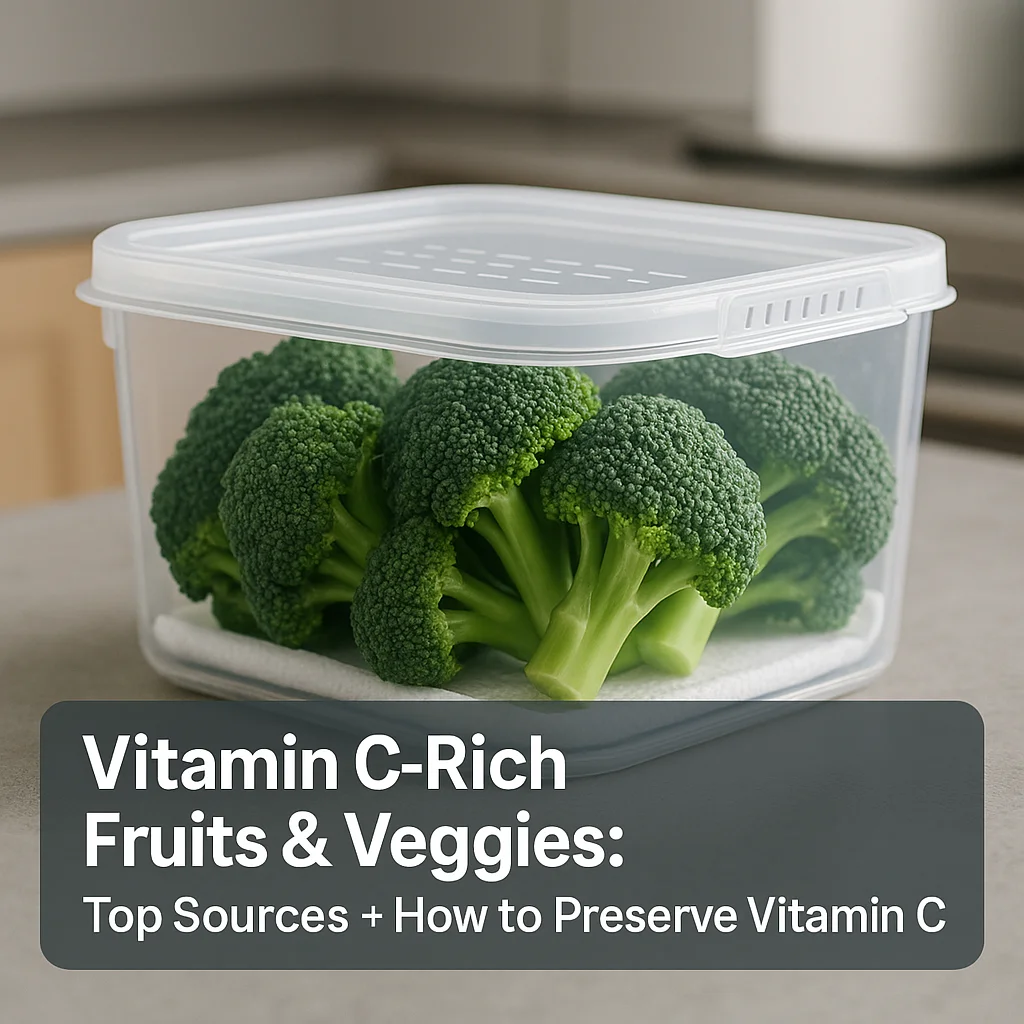
Fast Rules to Preserve Vitamin C and Freshness
- Keep produce dry to minimize mold and slow down spoilage.
- Avoid temperature swings which cause condensation and texture damage.
- Store away from ethylene-producing fruits to prevent over-ripening.
- Use paper towels in storage to manage moisture effectively.
- Place in the refrigerator's crisper drawer at a stable temperature.
- Consume ripe items first to maximize nutrient intake.
- Wash produce just before use to prevent early deterioration.
- Buy only what you need to manage stocks effectively.
- Choose airtight containers for long-term storage; vented for short-term.
Buying Checklist: Choosing the Best Vitamin C-Rich Produce
When you're at the store, knowing how to select the freshest produce is key. Here's what I recommend:
- Color and Freshness: Look for bright, vibrant colors. Avoid dull or brown spots.
- Firmness: Select fruits and veggies that are firm and give slightly under pressure.
- Aroma: Choose items with a fresh, natural smell. Avoid overly fragrant or fermented odors.
- Surface Damage: Avoid bruises or cuts which can harbor bacteria and reduce shelf life.
- Ripeness: Buy produce according to how soon you plan to use it; slightly underripe is better if you can wait for them to ripen.
The Real Fix: Step-by-Step Solution to Preserve Vitamin C
Our goal: Keep it dry but not dehydrated, control ethylene exposure, and avoid temperature swings.
- Assess Storage Needs: Identify which produce items are ethylene producers (like apples) and store them separately to avoid premature ripening.
- Use Appropriate Containers: Store leafy greens in airtight containers with a dry paper towel to absorb excess moisture which slows down vitamin C loss.
- Fridge Placement: Place items prone to losing moisture (like bell peppers and strawberries) in the crisper drawer away from the back wall to avoid freezer burn.
- Monitor Temperature Consistency: Check your fridge temp; optimal ranges are 33-40°F (0.5-4.5°C) to prevent nutrient degradation.
- Ripeness Staging: For fruits like avocados and bananas, leave out to ripen and refrigerate once ripe to maintain vitamin C levels.
- If Condensation Forms: Wipe down produce and storage to deter mold formation, which affects nutrient levels.
- Check Firmness Regularly: Soft spots are signs of spoilage; consume soon to ensure nutrient content remains intact.
- Avoid Damp Environments: Do not rinse produce until ready to use; moisture invites spoilage and decreases vitamin C.
- If humidity forms regularly, consider reducing items in the crisper.
- If produce wilts, adjust fridge temp or container venting.
- If fruits over-ripen too fast, separate into different storage zones.
- If paper towels are wet, replace to absorb excess moisture.
- If smells are off, check for hidden spoilage.
- If produce freezes, adjust fridge settings upward.
- If containers sweat, try using less densely packed storage.
- If humidity is too low, consider a humidity control box.
15–20 Minute Weekly Prep Routine
- Plan Ahead: Spend two minutes reviewing what you'll likely consume in a week.
- Clean & Organize: Group items by ripeness for easy access and monitoring.
- Pack Properly: Place produce in their suitable storage environments (e.g., lettuce in airtight, apples vented).
- Check Inventory: Make a quick scan for items approaching over-ripeness for the upcoming meals.
- Refresh Storage: Replace paper towels in containers every five days.
If I Only Had 2 Minutes
- Prioritize consuming what will go off soonest.
- Rearrange items so they align with your immediate week's meals.
- Quick wipe down of high moisture items.
Note: If your fridge is weird (too dry or freezing at the back), adjust the settings to maintain a consistent cooling environment.
Common Mistakes and How to Fix Them
- Washing Produce Early: Leads to quick spoilage. Fix: Wash right before using.
- Storing All Together: Ethylene exposure spoils sensitive items. Fix: Segregate based on sensitivity.
- Plastic Bags Sealing: Traps moisture, increasing mold. Fix: Use perforated bags or vented containers.
- Overloading the Fridge: Poor air circulation spoils produce. Fix: Clear out old/unused items.
- Forgetting Paper Towels: Excess moisture accumulates. Fix: Use paper towels in storage.
- Ignoring Temperature Fluctuations: Accelerates spoilage. Fix: Set fridge to consistent temp; check it regularly.
- Discarding Before Assessing: Premature waste. Fix: Verify if food is genuinely spoiled.
- Keeping Too Close to Walls: Causes freezing. Fix: Move produce to center areas.
- Not Planning Meals: Leads to unused produce. Fix: Plan meals around available produce.
- Relying on Visual Alone: Misses often hidden spoilage. Fix: Include smell and texture checks.
Food Safety Notes: Handling Produce
- Wash produce right before eating, not before storing, to avoid moisture retention.
- Discard moldy items immediately to prevent spread.
- Toss if produce is excessively slimy or has an off-smell.
- Keep raw and cut produce sealed and separate from raw meats.
Quick Reference Table
| Produce | Best storage | What to avoid | Typical problem | Quick fix |
|---|---|---|---|---|
| Oranges | Cool, dry place | Moisture | Mold | Use paper towels |
| Kale | Airtight container with towel | Excess condensation | Wilting | Re-towel and refrigerate |
| Strawberries | Refrigerator in vented container | High humidity | Soft spots | Consume promptly |
FAQ: All About Preserving Vitamin C in Produce
- Q: Why does vitamin C degrade in fruits and vegetables?
A: Heat, light, and moisture accelerate its breakdown. - Q: Do ripe fruits have less vitamin C?
A: Generally yes, as ripening converts and uses up vitamin C. - Q: Can I freeze produce to lock in vitamin C?
A: Yes, freezing halts degradation. Use airtight containers. - Q: Are there any visible signs of vitamin C loss?
A: Not directly, but color fading and softness are indicators. - Q: Is canned produce lower in vitamin C?
A: Often, yes due to heat processing. - Q: Will citrus fruits lose vitamin C post juicing?
A: Yes, exposure to air speeds up vitamin C degradation. - Q: Should I store bell peppers in the fridge?
A: Yes, keep them in the crisper to preserve vitamin C. - Q: Does cutting or chopping produce affect vitamin C?
A: Yes, exposes more surface to air, hastening loss. - Q: How often should I check my stored produce?
A: Weekly checks help catch early spoilage. - Q: Can I store potatoes with other vegetables?
A: Avoid since they produce ethylene gas, quickening spoilage elsewhere.
Closing Thoughts
- Store produce sensibly to maintain nutritious value.
- Buy what you'll use to reduce waste.
- Keep a regular check on the storage condition of your produce.
Remember, with a little planning and smart storage, you can maximize the enjoyment and health benefits of your produce. Happy cooking!
For more tips on fresh produce management, explore our post archive or read about evidence-based nutrition without the hype here at FruitVegGuide.