Lycopene in Tomatoes: Raw vs Cooked + Best Ways to Eat It
Why Do My Tomatoes Always Seem to Go Bad?
We've all experienced the frustration of buying tomatoes, only to find them mushy and moldy a few days later. The culprit? Often, it's improper storage or handling that accelerates spoilage, leaving you with wasted produce.
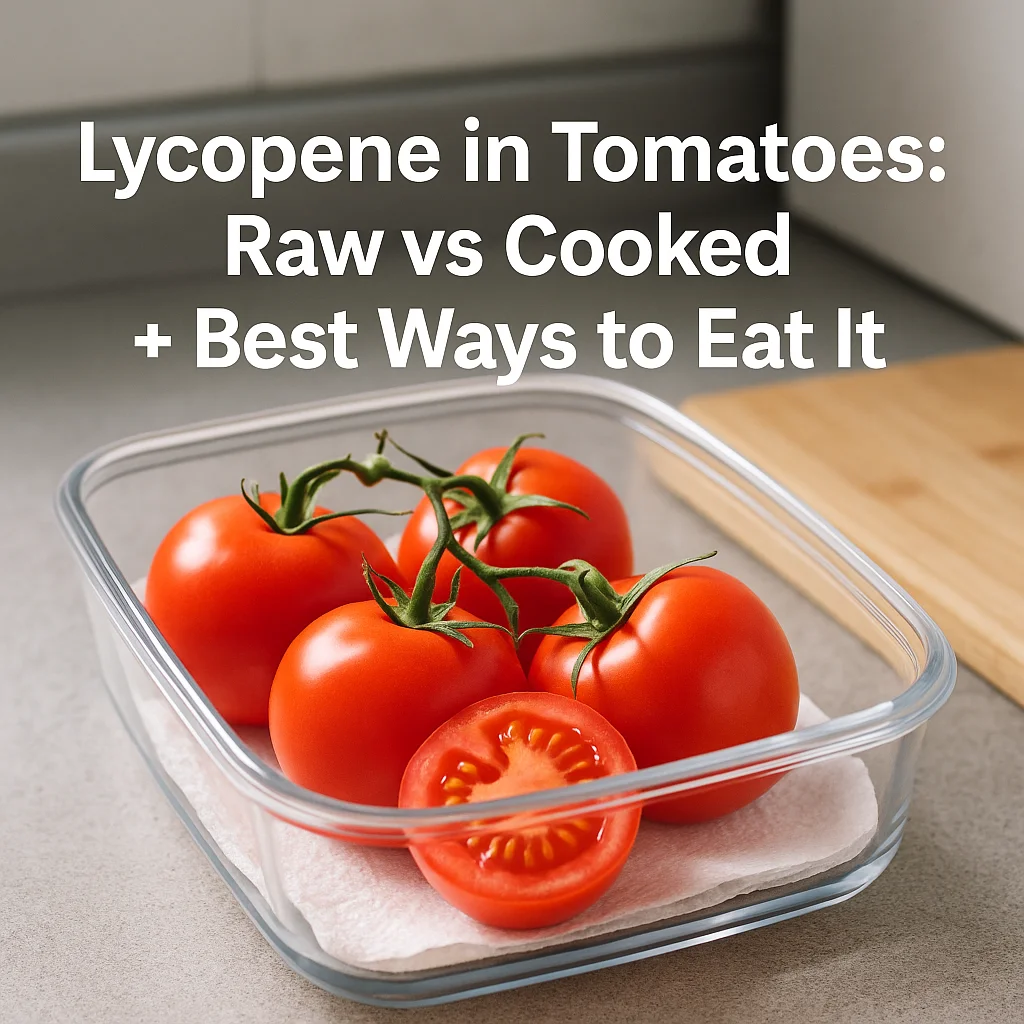
Fast Rules for Tomato Storage and Usage
- Store tomatoes at room temperature, away from direct sunlight.
- Refrigerate once ripe to slow further ripening.
- Cooked tomatoes enhance lycopene absorption.
- Pike into salads for fresh taste and texture.
- Roast with olive oil for a nutrient boost.
- Avoid storing tomatoes in plastic bags.
- Use a paper bag to speed up ripening.
- Regularly check for softness and mold.
- Don't refrigerate unripe tomatoes.
Buying Checklist for High-Quality Tomatoes
To ensure you're buying the best tomatoes, follow these simple tips:
- Look for vibrant color and firmness.
- Avoid any with blemishes or soft spots.
- Heavier tomatoes typically indicate juiciness.
- Prefer local sources for the freshest supply.
- Smell should be fresh and earthy, not off-putting.
The Real Fix: Step-by-Step Solution
To maximize tomato longevity and lycopene content, follow these steps:
- Check freshness: Ensure tomatoes are firm with no surface damage. Softness indicates spoilage.
- Room temperature storage: Place on a countertop away from sunlight to avoid rapid ripening.
- Avoid refrigeration (when unripe): Cold interrupts natural ripening, depriving them of flavor.
- Ripen with a paper bag: Enclose with an apple or banana to harness ethylene gas.
- Refrigerate once ripe: Delay spoilage while preserving nutrients.
- Ventilate storage: Use an open container to prevent moisture buildup.
- Watch for condensation: It leads to mold growth, so wipe the container regularly.
- Cook to enhance lycopene: Heat converts nutrients for better absorption. Stews and sauces work well.
- Use air-tight containers for cut tomatoes: Prevent dehydration and oxidation.
- Inspect regularly: Discard any with mold or an unpleasant odor.
If your tomatoes are turning soft quickly:
- Store away from ethylene-producing fruits.
- Ensure they're not in direct sunlight.
- Check for cracks and blemishes upon purchase.
- Consider buying smaller quantities for frequent use.
15–20 Minute Weekly Prep Routine
- Sort tomatoes: Separate ripe and unripe. Store accordingly.
- Prepare cooking ingredients: Dice ripe tomatoes for sauces or salads.
- Inspect storage area: Ensure ventilation and cleanliness.
- Cook large batches: Make sauces or salsas that can be frozen for convenience.
- If I only had 2 minutes: Check for softness and smell. Move ripe tomatoes to the fridge.
If your fridge is weird (too dry, too humid, or freezing in places), keep a moisture absorber in the drawer or place tomatoes further from problematic zones.
Common Mistakes
- Refrigerating unripe tomatoes: Stops ripening → Keep them at room temperature.
- Storing in plastic bags: Traps moisture → Use paper bags.
- Placing in direct sunlight for long: Causes overheating → Keep in shaded area.
- Ignoring mold signs: Leads to rapid spoilage → Regularly check the skin.
- Cooking without oil: Low lycopene absorption → Add olive oil for better uptake.
- Not using separated storage: Ethylene from other fruits accelerates decay → Store separately.
- Discarding peels unnecessarily: Waste of nutrients → Use peels in stocks or soups.
- Not rotating stock: Fresh tomatoes go bad while older ones linger → Use FIFO method.
- Not keeping track of ripeness: Leads to overripe waste → Regular assessment needed.
- Storing near heat sources: Accelerates ripening → Store in a cooler spot.
Food Safety Notes
- Washing timing: Rinse just before use to prevent moisture-related decay.
- When to toss: If showing mold, softness, or a bad smell, discard immediately.
Quick Reference Table
| Produce | Best Storage | What to Avoid | Typical Problem | Quick Fix |
|---|---|---|---|---|
| Tomatoes | Room temperature then fridge | Plastic bags | Over-ripening | Monitor daily, move to fridge when ripe |
FAQ
- Is cooked better than raw for lycopene? Yes, cooking boosts absorption.
- Can I store tomatoes in the fridge before they're ripe? No, it slows ripening.
- How can I ripen tomatoes quickly? Use a paper bag with bananas.
- Can I eat tomatoes with soft spots? It's best to cut away soft parts if minor.
- What's the best way to cook tomatoes? Roasting with olive oil enhances flavor and nutrients.
- Is it okay to refrigerate cut tomatoes? Yes, in an airtight container.
- How do I know if a tomato has gone bad? Soft, moldy, or off-smelling tomatoes should be discarded.
- Are tomato peels healthy? Yes, they contain beneficial nutrients.
- How often should I check my stored tomatoes? At least twice a week.
- What's the best way to store a halved tomato? Use an airtight container in the fridge.
Final Tips for Saving Money
- Always segregate ripe from unripe tomatoes.
- Regularly inspect and adjust storage methods as needed.
- Cook bulk sauces to extend shelf life.
With these tips, you can enjoy fresh, flavorful tomatoes with minimal waste. Dive into our full series on produce handling for more insights at FruitVegGuide articles or explore the nutrition and health section to learn more.