Fruit + Yogurt/Nuts: Balanced Snacks for Satiety and Nutrition
Hook: Understanding the Common Frustrations
You've bought a fresh batch of fruits and nuts, convinced this time your efforts at a balanced diet will actually stick. But soon enough, your bananas blacken, the strawberries mold, and the yogurt's past its prime. The cause? Moisture accumulation and poor temperature management which accelerate decay and spoilage. Let's break this cycle.
Fast Rules for Keeping It Fresh
- Store unripe fruits at room temperature to allow natural ripening.
- Move ripe fruits to the fridge to slow down aging.
- Place nuts in airtight containers to remain fresh and crunchy.
- Yogurt lasts longer in the back of the fridge where the temperature is more stable.
- Separate ethylene-producing fruits from others to reduce premature spoilage.
- Avoid washing fruits until you're ready to eat them to prevent mold.
- Protect cut fruits with lemon juice or vinegar to slow browning.
- Pair yogurt with berries for easy, satisfying snacks.
- Keep your produce drawers set to the appropriate humidity (high for veggies, low for fruits).
Buying Checklist: Picking the Best at the Store
- Fruits: Choose pieces that feel firm and aren't bruised.
- Nuts: Look for unshelled or vacuum-sealed options for maximum freshness.
- Yogurt: Check expiry dates and opt for full-fat for richer flavor and better texture.
- Avoid pre-packaged fruit that appears mushy or wet.
- Skip nuts with a rancid odor or dust in the packaging.
The Real Fix: Step-by-Step Solution
The key to balanced snacks lies in maintaining ideal storage to prevent quick spoilage and maximize nutritional intake.
- Store unripe bananas outside the fridge. This allows natural enzymes to ripen them. Look for a bright yellow color.
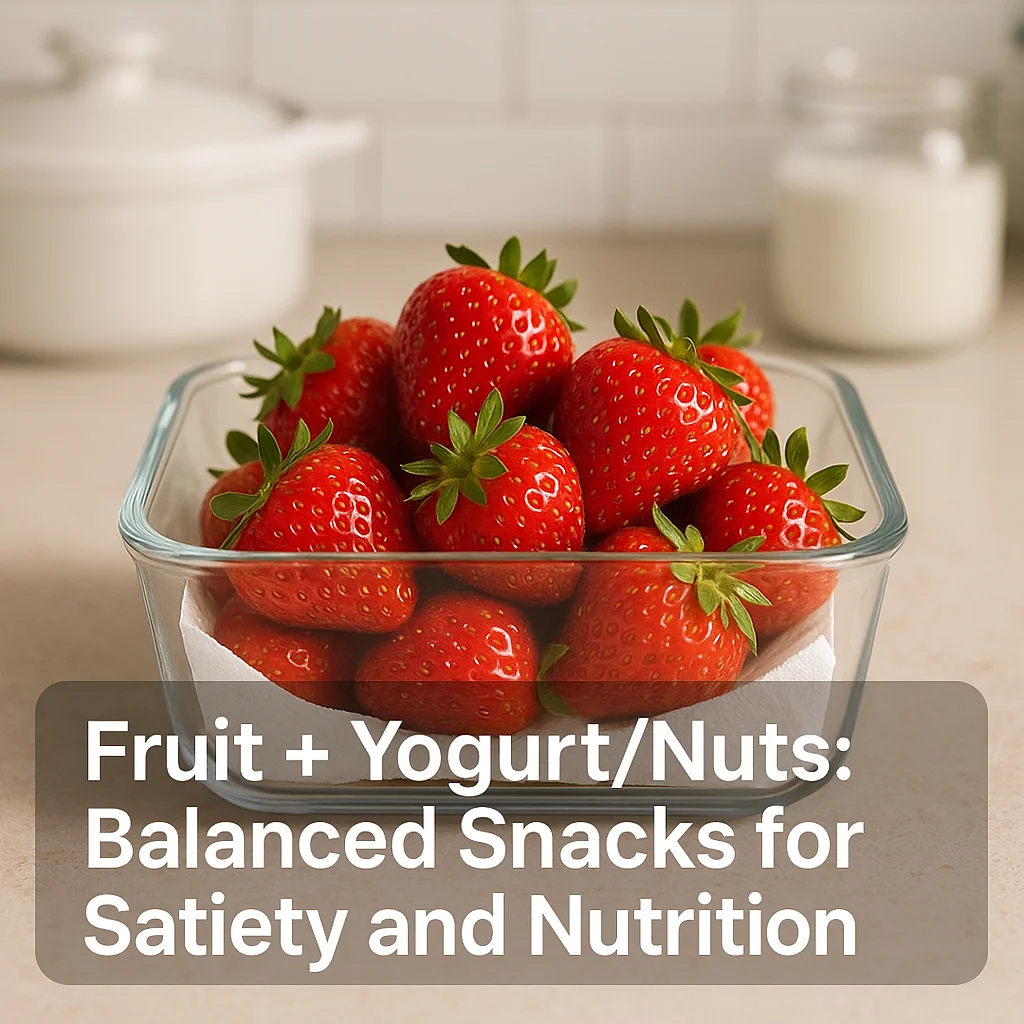
- Transfer ripe berries to a vented container in the fridge. This minimizes moisture and reduces mold. Check for dryness and firmness.
- Keep apples in a separate fridge drawer. This avoids spreading ethylene to other produce, prolonging their shelf life. Inspect for firmness and fresh scent.
- Place yogurt towards the back of the fridge. Stable temperatures improve shelf life. Ensure the texture remains smooth and creamy.
- Store nuts in an airtight container in a cool, dark place. This prevents exposure to air and moisture, keeping them crunchy. They should smell nutty, not stale.
- Wrap cut fruits in plastic wrap after spritzing with lemon juice. Reduces oxidation and browning. They should look fresh with minimal coloration change.
- Label date on containers after transferring produce. Encourages rotation and timely consumption. Look out for storage time beyond 7 days.
- Refrigerate only fully ripe fruits. This slows enzyme activity associated with decay. The fruit should be neither too firm nor too soft.
- Check humidity settings in fridge drawers. Keeps delicate fruits and vegetables fresh longer. Feel for crisp texture in produce.
If/Then Troubleshooting List
- If strawberries are molding, then store them in a single layer.
- If nuts are stale, then toast them before use.
- If yogurt separates, then stir and chill it in the coldest part of the fridge.
- If bananas ripen too fast, then separate them from the bunch and refrigerate.
- If berries wilt, then rinse with cold water and pat dry before eating.
- If apples bruise, then store them in a padded drawer.
- If fruits smell musty, then discard immediately.
- If yogurt tastes off, then toss for safety.
15–20 Minute Weekly Prep Routine
- Inspect all produce and nuts. Remove any signs of spoilage.
- Wash and dry berries thoroughly. Store in a single layer in the fridge.
- Batch portion nuts into snack-size bags. Enhances snacking convenience.
- Create fruit and yogurt parfaits. Layer into jars and refrigerate for easy access.
- Inspect yogurt dates and rotate newer tubs to the back.
- Keep a snack drawer or shelf organized. Place all ready-to-eat snacks within easy reach.
If I Only Had 2 Minutes
- Quickly assess for any noticeable fruit spoilage.
- Portion a few nuts into a small container.
- Mix a quick yogurt cup with a handful of berries.
Note: If your fridge is weird (too dry/humid), adjust container types or add damp paper towels as needed.
Common Mistakes
- Storing bananas in the fridge before they ripen → Unpalatable texture → Keep at room temperature until ripe.
- Washing fruits too early → Develops mold → Wash just prior to eating.
- Not sealing nuts → Lose crunch and go stale → Use airtight containers.
- Multi-fruit storage → Cross-ripening speeds up decay → Store separately based on ripeness.
- Overlooking fridge temperature swings → Shortened food lifespan → Place items towards back for stability.
- Keeping bruised fruits → Accelerates spoilage of others → Discard damaged pieces promptly.
- Ignoring yogurt separation → Assume spoilage → Stir well and evaluate smell and taste first.
- Failure to adjust fridge drawers → Suboptimal humidity → Set drawers properly as needed.
- Leaving dairy and produce in fridge door → Frequent temperature changes affect preservation → Store in stable temperature zones.
Food Safety Notes
- Wash fruits: Just before consuming to prevent early spoilage.
- When to toss: Moldy, off-smelling, or slimy produce needs discarding; likewise for yogurt after its best-by date, if odd odors/flavors are present.
Quick Table
| Produce | Best Storage | What to Avoid | Typical Problem | Quick Fix |
|---|---|---|---|---|
| Bananas | Room temp, separated | Fridge, overcrowding | Quick ripening | Separate & refrigerate when ripe |
| Berries | Fridge, vented | Wet storage | Condensation & mold | Layer with paper towel |
| Yogurt | Back of fridge | Fridge door | Texture change | Stir & check freshness |
| Nuts | Airtight container | Heat & humidity | Staleness | Toast briefly |
FAQ
- How do I keep fruit fresh for longer? Store unripe at room temperature, and ripe produce in the fridge.
- Can I mix fruits and yogurt in advance? Yes, they last a couple of days in the fridge mixed.
- Should nuts be refrigerated? Room-temperature storage in airtight containers is typically sufficient.
- What’s the best yogurt to use in snacks? Go for natural or Greek yogurt for the best texture and nutrition.
- What can I do about fruit browning? Coat cut pieces in lemon juice to slow the process.
- Are certain fruits better with nuts? Yes, nutty flavors pair well with apples and bananas.
- How can I tell if yogurt is off? Unusual smell, a sourer taste, or excessive liquid may signal it's bad.
- Can I freeze combined snacks? You can, but textures might change upon thawing.
- How to manage high ethylene producers? Separate and store away from sensitive fruits.
- Is it okay to use flavored nuts? Yes, but ensure they aren't overly salty or sugary to keep it balanced.
Closing
- Always separate unripe from ripe fruit to save money.
- Invest in airtight containers for both nuts and produce.
- Stay aware of the different needs between produce categories.
Having a method to keep your snacks nutritious and economical is within reach. These strategies and tips help combat waste, enhance flavor, and preserve nutrients at home.
For more tips on storing produce efficiently, visit our full post list. For evidence-based nutritional insights, check out our nutrition guidance.