Beta-Carotene Veggies: Carrots/Squash + Why “Orange” Matters
Frustrations in the Crisper: Why Your Carrots Go Limp and Squash Sags
You open the fridge, ready to whip up a healthy meal, only to find your once-crisp carrots are now sad and floppy, and the squash has mysteriously become a mushy mess. It’s exasperating to waste food this way. The real culprit? Improper storage leading to moisture loss and temperature swings. Let's fix this once and for all.
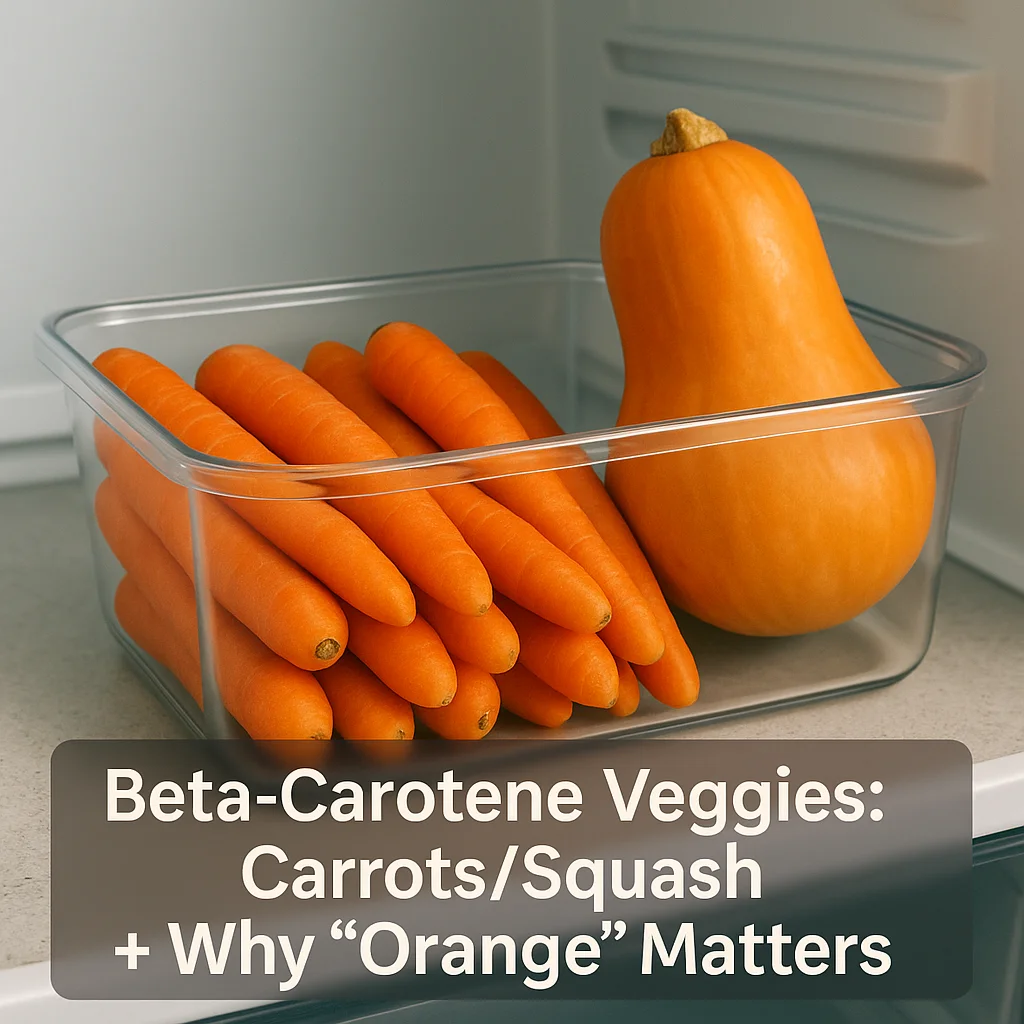
Fast Rules for Better Carrot and Squash Storage
- Keep carrots and squash in a cool, dark place to retain moisture.
- Store carrots in the fridge, but ensure they're in a slightly vented bag to avoid condensation.
- Only wash carrots and squash when you’re ready to use them.
- Separate carrots and squash from ethylene-producing fruits.
- Check stored produce weekly to remove deteriorating ones.
- Avoid cutting or damaging the produce before storage to prevent faster spoilage.
- Make sure squash is stored in a single layer with airflow around each piece.
Buying Checklist: Choosing the Right Carrots and Squash
To ensure long-lasting produce, the selection process is key:
- Carrots: Look for firm texture, vibrant orange color, and smooth skin. Avoid black spots or softness.
- Squash: Choose squash with hard, matte skin and a sturdy, intact stem. Avoid those with bruises or cracks.
The Real Fix: Step-by-Step Storage Solution
The goal is simple: keep your beta-carotene-rich veggies from drying out while preventing mold.
- Prep the fridge drawer: Line the vegetable crisper with a dry paper towel to absorb excess moisture.
- Carrot container choice: Use a plastic bag with tiny holes or a loose-fitting lid container to vent excess moisture.
- Store carrots away from fruits: Keep carrots in a separate drawer or shelf away from ethylene-producing fruits like apples.
- Squash temperature zone: If storing at room temperature, ensure a cool, dark spot away from direct sunlight to prevent temperature swings.
- Inspect regularly: Check carrots and squash weekly for any signs of spoilage such as sliminess or an off smell.
- Avoid washing: Yes, do not wash before storing to prevent moisture from encouraging mold.
- Use breathable storage: Make sure squash stays breathable; cloth produce bags work well.
- For squash in the fridge: Place on a refrigerator shelf with space for air to circulate—avoid packing them tight.
- If condensation occurs: Change the paper towel and inspect for any leaks or condensation build-up.
- If they appear overripe: Use them immediately in stews or soups where texture is less crucial.
- If carrots feel soft: Submerge in ice water to regain firmness.
- If squash shows spots: Use or discard affected areas promptly.
- If a white film develops: Wipe with a dry cloth and check your storage conditions.
- If mold appears: Discard affected pieces to prevent spreading.
- If carrots dry out: Review your storage method for excess airflow.
- If something smells off: Trust your nose—give it a deep sniff and act accordingly.
15–20 Minute Weekly Prep Routine
- Sort and Remove: Remove old or damaged produce to avoid speeding up spoilage in others.
- Change Liners: Replace paper towels in the crisper to keep it fresh and moisture-controlled.
- Check Ethylene: Move any ethylene-producing fruits away from your veggies.
- Near Expiry: Chop and store veggies that need to be used soon for quick access in meals.
- Organize Zones: Check the fridge zones, keep airflow constant, and close fridge promptly after opening.
If I only had 2 minutes
- Quickly scan for any visible spoilage signs.
- Remove any expired produce immediately.
- Ensure the crisper liner is dry and clean.
If your fridge is weird: If it’s too dry, place a very lightly damp cloth in the crisper. If it tends to freeze items at the back, keep produce towards the front.
Common Mistakes and Solutions
- Keeping carrots in airtight containers: Causes condensation and mold. Use vented storage instead.
- Washing before storage: Promotes mold growth. Wait until you’re ready to use them.
- Ignoring temperature zones: Leads to rapid spoilage. Store at stable temperatures appropriate for each veg.
- Overcrowding storage areas: Reduces air circulation and leads to spoilage. Give produce space.
- Leaving pink carrots in the bag: Increased moisture trapped inside. Rinse off and dry to fix.
- Squash in the sun: Accelerates ripening. Move to a shaded area immediately.
- Cutting before storing: Exposes flesh to air, speeding deterioration.
- Ignoring fridge odors: Your carrots will absorb the smell. Air out your fridge regularly.
- Leaving the fridge open too long: Changes temperature and affects freshness. Always shut promptly.
Food Safety Notes
Always wash carrots and squash thoroughly just before using them to remove dirt and bacteria. If you notice any unusual smells, colors, or textures, it's best to discard them rather than risk eating spoiled produce.
Quick Table for Beta-Carotene Veggies
| Produce | Best Storage | What to Avoid | Typical Problem | Quick Fix |
|---|---|---|---|---|
| Carrots | In crisper, ventilated bag | Airtight containers | Limp texture | Ice water bath |
| Squash | Cool, dark area or fridge | Direct sunlight | Soft spots | Use immediately |
FAQs on Carrots and Squash
- Why do carrots get limp? It's usually due to moisture loss. Store them better.
- Can I store squash with other fruits? No, keep them away from ethylene producers.
- Should I peel carrots before storage? No, keep them whole to preserve freshness.
- Are sprouting carrots safe? Yes, but best eaten soon as they lose quality.
- Is a damp fridge bad for squash? Yes, it can cause mold; ensure proper ventilation.
- What’s the ideal squash storage temperature? Around 50-60°F (10-15°C) if possible.
- Do carrots need plastic bags? Only vented ones—they need some airflow.
- Can I freeze carrots or squash? Yes, blanch before freezing for better texture.
- Should carrots be stored with tops on? No, remove tops to prevent moisture loss.
- What does "orange" mean for health? It's a sign of beta-carotene, good for vision and skin.
Closing Thoughts
- Store carrots and squash separately from fruits like apples.
- Always choose firm, brightly colored veggies when buying.
- Check your storage conditions weekly to ensure freshness.
With these practical tips, you’re well on your way to reducing waste and enjoying fresher carrots and squash. Always happy to help you save your veggies! For more helpful tips, visit our comprehensive post list at FruitVegGuide.
Explore more insights on nutrition and health in our dedicated section.