Prevent Browning When Cutting Fruit: Apples & Avocados (Simple Fixes)
Why Do Apples & Avocados Brown So Fast?
We've all been there: you slice an apple for a snack or prep an avocado for your toast, and within minutes, they're brown and unappealing. This transformation isn't just an eyesore; it results in wasted food you might toss instead of eat. The culprit? Enzymes in the fruit react with oxygen when the skin is broken, causing discoloration. Want the secret to keeping your cut fruit appetizing longer? Let's dive in.
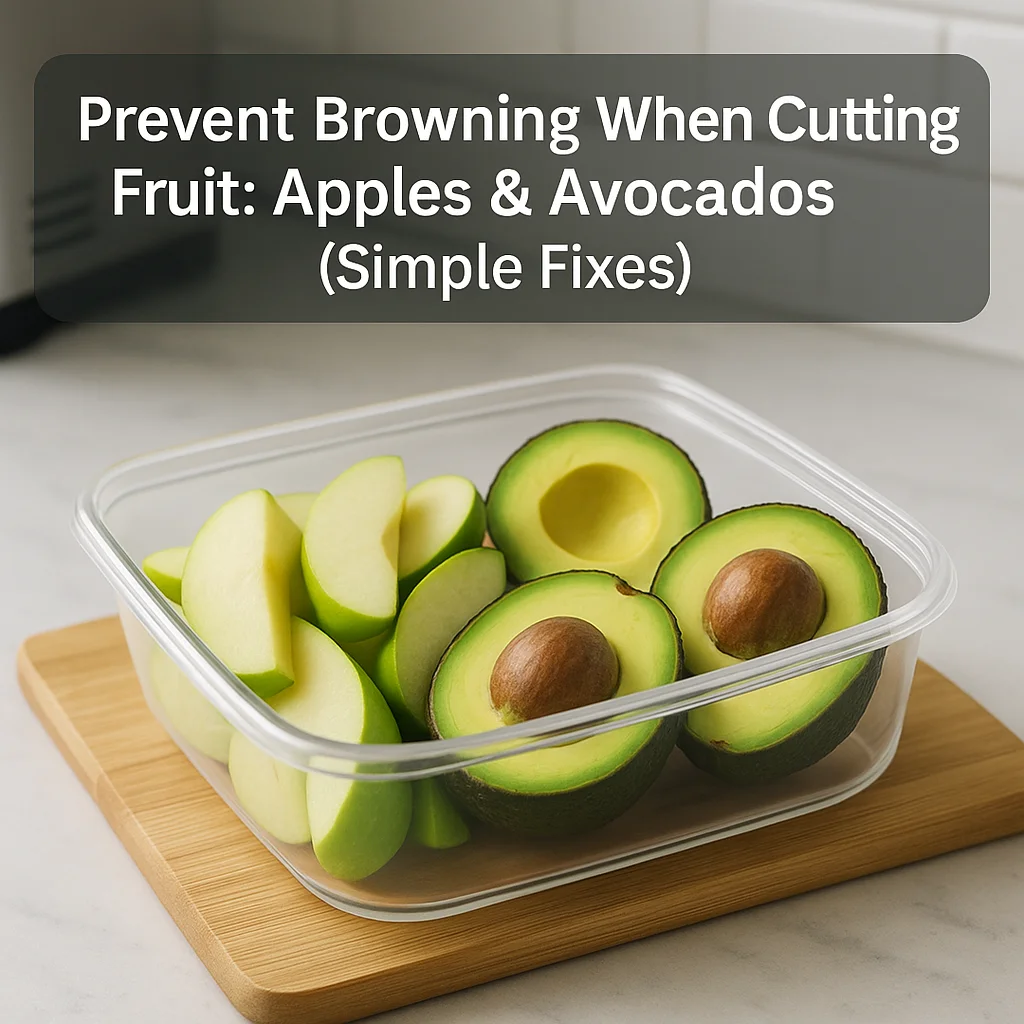
Fast Rules to Keep Your Cut Fruit Fresh
- Use lemon juice or vinegar to coat exposed surfaces.
- Store slices in airtight containers to reduce oxidation.
- Keep fruit cool but avoid direct contact with freezer air.
- Sprinkle cut fruit with ascorbic acid or vitamin C powder.
- Limit air exposure by wrapping tightly in plastic wrap.
- Opt for granny smith apples for slower browning.
- Mix avocado with lime juice before storing.
- Refrigerate promptly to slow enzymatic reactions.
- If possible, cut apples into even slices for consistent treatment.
- Use water and salt solution for a quick soak to delay browning.
Buying Checklist: Choose the Freshest Apples & Avocados
When you're at the store, be selective. Here's what to look for:
- Apples: Choose firm apples with smooth skins. Avoid bruises.
- Avocados: Pick avocados that yield slightly to gentle pressure, indicating ripeness.
- Prefer green over fully brown avocados to allow for ripening at home.
The Real Fix: Step-by-Step Solution
The goal here is to reduce exposure to oxygen and preserve freshness. Here's how to do it:
- Lemon Juice Application: Brush cut surfaces with lemon juice. The citric acid acts as a barrier to oxygen.
- Wrap in Plastic: Tightly wrap in plastic wrap. Minimizing air contact slows browning.
- Use Airtight Containers: Store in airtight containers to cut down on air exposure.
- Refrigerate Promptly: Keep in a fridge drawer set to low humidity. Cooler temperatures slow enzymes.
- Keep Unripe Fruit Separate: Separate unripe avocados, as ripening gas speeds aging.
- Glass Placement: Store near the front of the fridge to avoid the freeze zone.
- Check Ripeness Daily: Once ripe, eat within 24 hours to avoid over-ripening troubles.
- Monitor Texture: If mushy or condensation appears, they've passed their prime.
- Paper Towels for Moisture: Add a dry paper towel if there's excess moisture in the container.
- Use Balsamic Vinegar: A quick brush enhances taste if lemon isn't available.
- Spoon Storage: For avocados, store with the pit and a metal spoon pressed to it; it helps retard browning.
- Chunk Size Break Down: Cut larger chunks rather than slices to minimize exposed area.
If/Then Troubleshooting:
- If fruit still browns fast, try increasing the acidity (more lemon)
- If plastic wrap is ineffective, use heavier-duty film
- If storage smells bad, discard and clean container
- If texture is too soft, they've overripe and are only good for smoothies
- If acidic taste is too strong, rinse slightly before eating
- If paper towel becomes too damp, replace to prevent sliminess
- If fruit feels icy, move to a warmer fridge spot
- If condensation forms, reduce fridge temperature slightly
15–20 Minute Weekly Prep Routine
- Wash apples and avocados upon bringing them home.
- Sort fruit according to ripeness: immediate use vs. later.
- Slice apples and avocados needed for the week.
- Treat slices with lemon juice or vinegar according to preferred taste.
- Wrap in plastic or place in airtight containers.
- Label containers with the date for optimal freshness tracking.
- Store in fridge at eye level for quick access.
- Check fruit every couple of days to monitor freshness.
If I only had 2 minutes:
- Cut just the portion needed immediately, sealing the rest.
- Quick brush with lemon or lime juice.
- Wrap tightly and refrigerate promptly.
Note: If your fridge is weird (like too dry or freezing at the back), adjust your fruit placement or use additional barriers like a thin towel.
Common Mistakes and How to Avoid Them
- Leaving fruit in open air → faster browning → always cover.
- Using too little lemon juice → ineffective browning prevention → apply liberally.
- Putting avocados next to bananas → over-ripening due to ethylene → separate them.
- Storing cut apples in high humidity → leads to sogginess → use low humidity fridge setting.
- Forgetting to check ripeness → wasted fruit → set a reminder.
- Using damaged plastic wrap → doesn't seal properly → opt for fresh wrap each time.
- Overcrowding containers → uneven exposure → space out slices in storage.
- Not washing apples before storing → dirt hastens spoilage → always wash first.
- Leaving apple cores → speeds browning with ethylene → remove core before storing.
- Wrapping with aluminum foil → affects taste with transferred metallic notes → avoid foil.
Food Safety Notes
Always wash fruit just before eating, especially if stored for several days. If the fruit develops a bad odor, slimy texture, or mold, it's best to discard it immediately. Safety first means avoiding any potential for foodborne illness.
Quick Table for Reference
| Produce | Best storage | What to avoid | Typical problem | Quick fix |
|---|---|---|---|---|
| Apples | Cool, sealed, with lemon | Direct air contact | Brown edges | Lemon juice + wrap |
| Avocados | Stored cut side down | Ethylene exposure | Mushy texture | Lime juice + pit in place |
FAQs About Preventing Browning in Apples & Avocados
- Can I use other acidic liquids? Yes, vinegar or vitamin C solutions work too.
- Will this change the fruit's flavor? Slightly, but it's usually refreshing.
- How to reverse browning? You can't, but cutting away oxidized parts helps.
- Is browning harmful? It's not harmful but unappealing.
- How long does lemon juice protection last? It varies, but typically up to 5 hours.
- Does the type of apple matter? Yes, some apple varieties brown slower.
- Can I freeze to prevent browning? Freezing isn't ideal as it affects texture.
- What if I have no acidic agents at home? Store wrapped tightly; consume sooner.
Closing Thoughts
- Wrap tightly with plastic to limit oxygen exposure.
- Use acid solutions regularly for best results.
- Keep an eye on fridge temperatures to prevent spoilage.
Remember, a little prep goes a long way in preserving your fruits' freshness. Stick to these simple rules, and you'll enjoy delicious, waste-free servings of apples and avocados every time. Happy eating!
For more tips and articles, visit our complete post list. Learn about choosing the best produce with our detailed buying guide.