How to Wash Lettuce & Greens: Remove Dirt and Bugs Safely
Common Scenario: Why Your Greens Spoil Faster than You Think
Picture this: you pick up a crisp bag of lettuce from the store, eagerly anticipating fresh salads all week, only to find wilted, slimy leaves in just a couple of days. The culprit? Improper washing and storage, which accelerates spoilage by introducing excess moisture and failing to remove all potential contaminants like dirt and bugs.
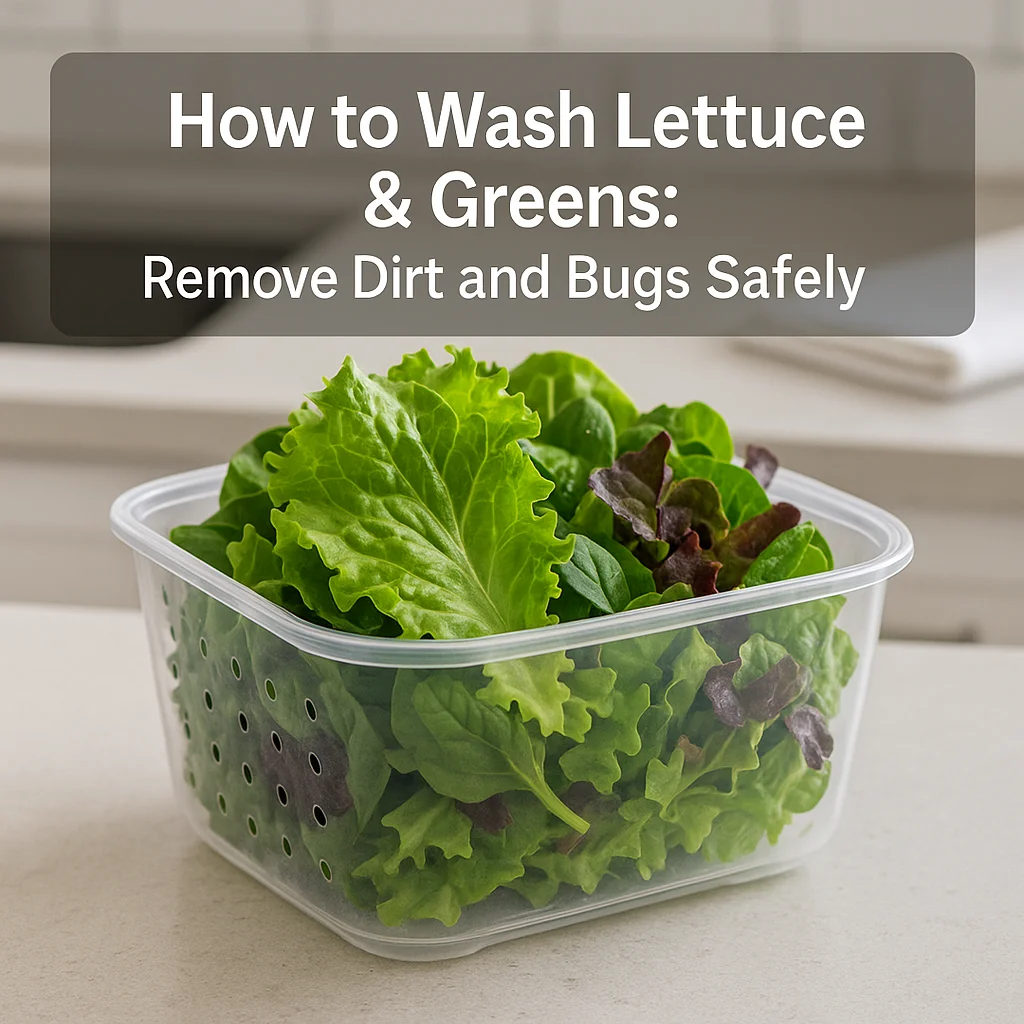
Fast Rules to Keep Your Greens Fresh
- Always dry your greens thoroughly after washing.
- Avoid cutting greens until you're ready to use them.
- Store washed greens in a clean, vented container.
- Add a dry paper towel to absorb excess moisture.
- Keep greens away from ethylene-producing fruits like apples and bananas.
- Use the vegetable crisper drawer in your fridge.
- Rinse greens under cold water before storing, but dry them completely.
- Inspect for any slimy, wilted, or discolored leaves and discard them.
- Change paper towels regularly if damp.
- Purchase greens in smaller quantities to avoid spoilage.
Buying Checklist: Choose the Best Greens
When selecting lettuce and greens, look for vibrant, crisp leaves without any signs of wilting or browning. Avoid packages that have visible moisture or leaf sliminess. Purchase whole heads of lettuce rather than pre-cut greens, as these will stay fresh longer.
The Real Fix: Step-by-Step Solution
The goal is to clean the greens effectively without adding excess moisture, which leads to spoilage.
- Separate the leaves and discard any damaged or discolored pieces.
- Rinse leaves in a large bowl of cold water to remove dirt. Dirt will sink to the bottom.
- Lift greens from the water and transfer to a clean colander.
- Gently shake off excess water and transfer to a salad spinner.
- Spin the greens in a salad spinner until completely dry.
- If additional drying is needed, spread leaves on a clean towel and pat dry.
- Store dried greens in a breathable container lined with a dry paper towel.
- Keep the container in the vegetable crisper drawer of your fridge, which maintains the right humidity level.
- Avoid placing greens near the back of the fridge where they might freeze.
- If greens show condensation in the container, replace the paper towel promptly and leave the lid slightly open.
If/Then Troubleshooting:
- If leaves feel slimy, discard them; others may be contaminated.
- If leaves are limp, they may have dried out; sprinkle with a splash of water, then dry thoroughly.
- If greens are wilting, they were likely exposed to ethylene; store separately from fruits.
- If greens have a strong smell, they've likely gone bad; discard immediately.
- If leaves are spotted with brown, they’ve sustained too much moisture; remove affected parts.
- If your greens freeze, your fridge is too cold; adjust the settings.
15–20 Minute Weekly Prep Routine
- Set aside a specific time to wash, dry, and store greens before storing them away.
- Inspect greens and remove any damaged leaves.
- Wash greens, spin them dry, and store with a fresh paper towel.
- Label the container with the date for freshness tracking.
If I only had 2 minutes:
Focus on discarding any visibly bad leaves and spinning dry any remaining greens.
If your fridge is weird:
Too dry: Add a slightly damp paper towel to the container.
Too humid: Keep containers open slightly to allow air circulation.
Freezing: Move the container away from the back wall.
Common Mistakes: Mistake ➞ Consequence ➞ Fix
- Washing and storing damp ➞ mold growth ➞ always dry thoroughly.
- Storing whole heads without washing ➞ dirt remains ➞ wash before storing.
- Not inspecting for damaged leaves ➞ spoilage spreads ➞ remove before storing.
- Overstuffing storage containers ➞ leaves crush ➞ allow air circulation.
- Ignoring moldy smells ➞ contamination ➞ dispose if in doubt.
Food Safety Notes
Wash greens only when you're prepared to store them immediately. If leaves start smelling pungent or show signs of deterioration, it's best to toss them to avoid foodborne illnesses.
Quick Table
| Produce | Best storage | What to avoid | Typical problem | Quick fix |
|---|---|---|---|---|
| Lettuce | In fridge, vented container | Damp containers | Wilting | Store in crisper |
| Spinach | Low humidity drawer | Stored with apples | Smelly | Replace paper towel |
| Kale | Wrapped in paper | Left unwrapped | Slimy | Line with dry cloth |
FAQ
- How often should I wash lettuce? Before initial storage and again before use if needed.
- Do I need a salad spinner? Yes, it helps dry greens thoroughly, preventing spoilage.
- What if I don't have a salad spinner? Pat dry with a clean towel or paper towels.
- Should I wash pre-washed lettuce? Not necessary, but inspect for freshness.
- Can I freeze lettuce? No, freezing ruins texture due to water content.
- How can I tell when greens are bad? Look for slime, off smells, and discoloration.
- What's the best container for lettuce? A vented, breathable container.
- Can washing remove all pesticides? Not entirely, but it reduces surface residue significantly.
- Do I need to separate leaves to wash? Yes, to effectively remove dirt and bugs.
- Why do my greens wilt so quickly? Likely due to improper drying and storage; ensure they're dry and stored in ideal humidity.
Closing
- Dry greens completely to avoid mold.
- Avoid storing near ethylene producers like apples.
- Inspect and remove wilted leaves before storage.
Keep these simple steps in mind, and you'll enjoy fresh, crisp greens much longer. For more tips, check our full list of posts. For broader storage techniques, visit our guide to choosing and prepping produce. Happy crunching!